Saffron costs more than gold, gram for gram. Still ends up in skincare routines everywhere. There's a reason for that.
This deep red spice has been more than a kitchen staple for centuries. Persian queens used it. Indian brides still do, before the big day. Long before serums and pricey creams took over the bathroom shelf, women were mixing saffron strands into milk and rubbing it straight onto their skin.
This tiny spice is packed with compounds that brighten, heal, and protect skin.
Seven secrets ahead. Might change how you look at your spice rack.
Benefits of Saffron for Skin — Why This deep red Spice Works Wonders
Saffron isn't just sitting pretty in your spice rack for no reason. There's real science backing why saffron for skin has become such a big deal in beauty circles lately.
Let's break down what's actually happening when you use it.
It fights damage before it shows up
Saffron's loaded with antioxidants, crocin and safranal mainly. They go after free radicals, the stuff that speeds up aging and dulls your skin. Working overnight, basically, while you sleep.
It brightens without harsh chemicals
Most brightening products leave skin irritated. Saffron doesn't. Fades dark spots, evens out tone over time. No burning. No peeling.
It calms angry, inflamed skin
Redness, breakouts, and saffron's anti-inflammatory side helps with both.
One example: people dealing with post-acne redness have noticed calming effects within a few weeks. Just a few strands soaked in milk, applied twice a week as a simple mask.
Saffron for Skin — Key Nutrients Behind the Glow
What's actually inside those thin red threads? Not magic, just decent chemistry, though saffron sellers won't tell you that part.
Crocin and Its Role in Skin Repair
That deep red color in saffron comes from crocin. Does more than look pretty, though. Crocin pushes skin to turn over cells faster, so damage from sun, pollution, whatever life throws at your face, heals quicker than it would on its own.
This is usually the first thing people notice. Skin that looked tired for months suddenly looks... awake again. It's hard to explain it better than that.
Vitamins and Minerals That Nourish Skin Cells
Saffron isn't just crocin, though. It's got riboflavin in it, some thiamine, a bit of manganese too. Sounds like a chemistry class, but here's what it actually means for your skin.
Manganese helps enzymes do their job, which keeps skin from sagging as fast. Riboflavin's job is cell regeneration, basically helping skin replace itself. Thiamine just keeps texture in check, nothing dramatic, just steady maintenance work happening under the surface.
None of this is influencer hype. It's nutrition. Just packaged in a spice instead of a supplement bottle.
How Saffron Supports Collagen Production
Collagen is the reason young skin bounces back when you poke it. Older skin doesn't, because the body slows down collagen production over time. Nothing saffron can do about that part.
What it can do is protect the collagen you've already got. Its antioxidants slow down the breakdown process. So no, it won't reverse aging. But stick with it for a few weeks and skin tends to hold its firmness a little longer than it would otherwise.
Not a miracle. Just consistency doing its quiet work.
How to Use Saffron for Glowing Skin at Home
So you're sold on saffron. Cool. But now what, just... rub the strands on your face? No, obviously not. There's a right way to do this, and a few ways that actually work depending on what your skin's dealing with.
Here's how to use saffron for glowing skin without turning it into a whole science project.
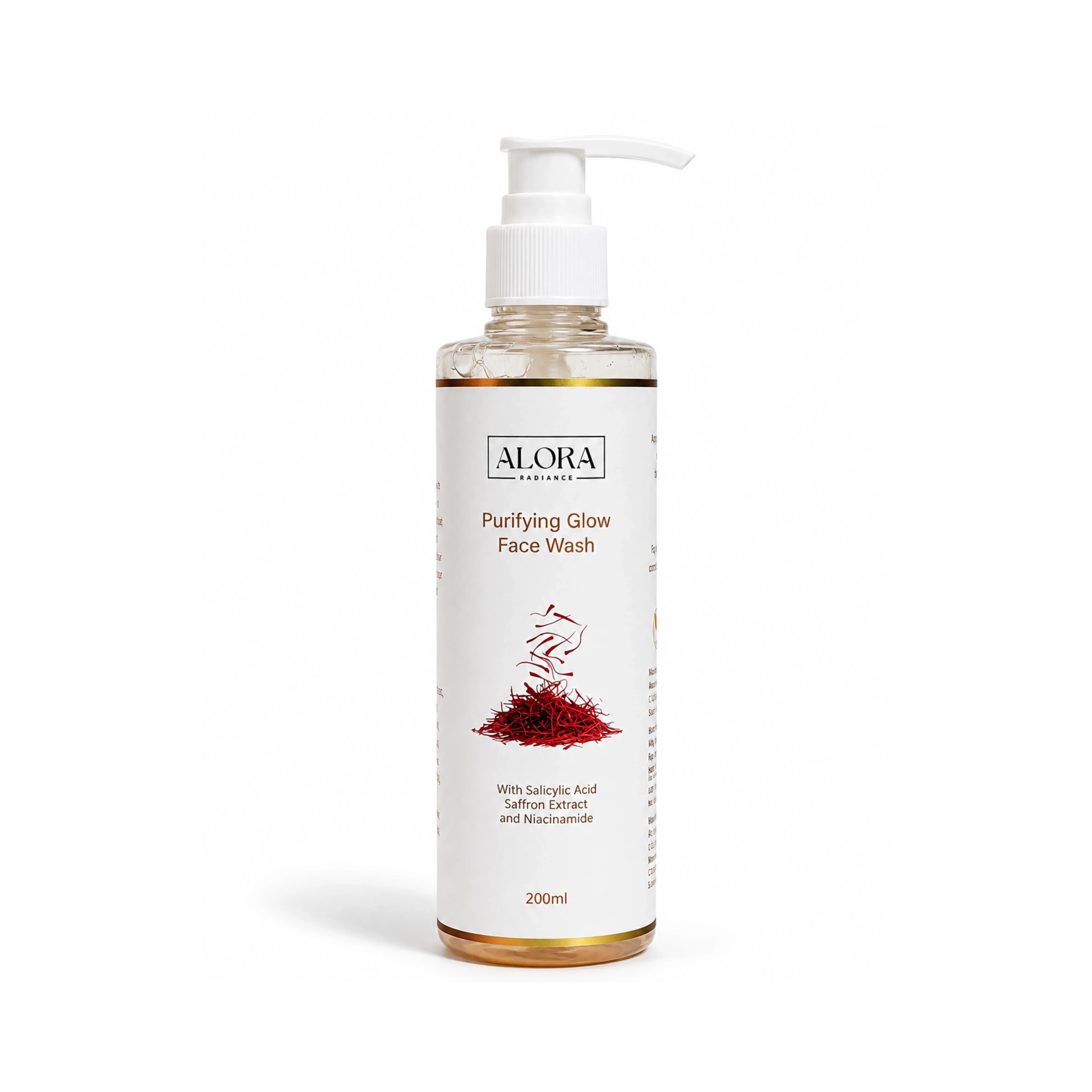
Saffron in Facewash
Saffron in facewash isn't just brands throwing the word around for looks. Real saffron extract, even in small amounts, brings mild brightening and some antibacterial action to a basic cleanse. Won't replace your full routine, but it's a decent add-on if the facewash already suits your skin.Use it daily…twice. Once in the morning then at night.
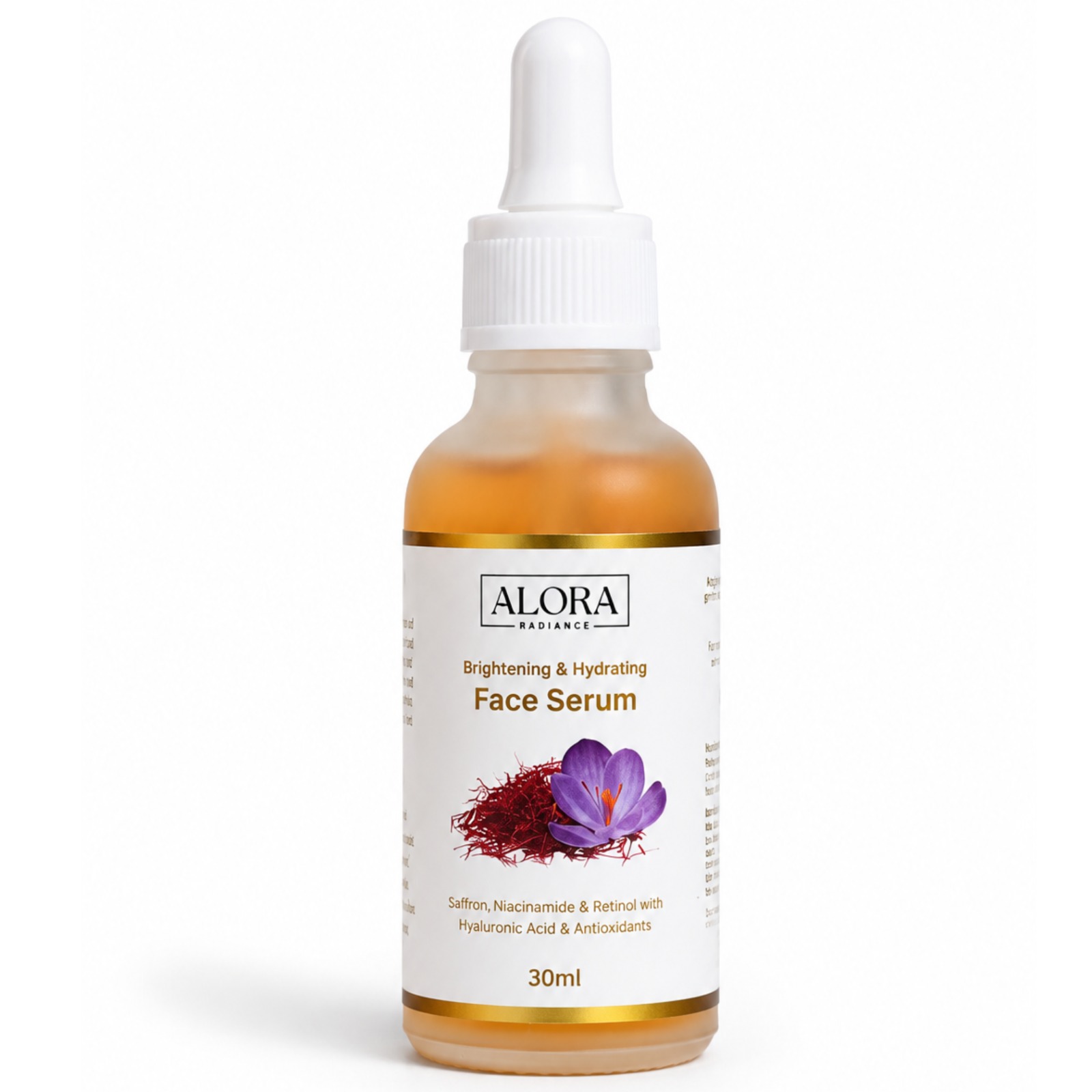
Saffron Infused Face Serum
Masks not your thing? Fine. Go for the serum..
- Few strands, small bottle of serum
- Leave it a week, shake it now and then
- Serum turns slightly golden when it's done
Massage a couple drops in before bed. That's it. One more piece in your saffron skincare routine, doesn't need to be complicated.
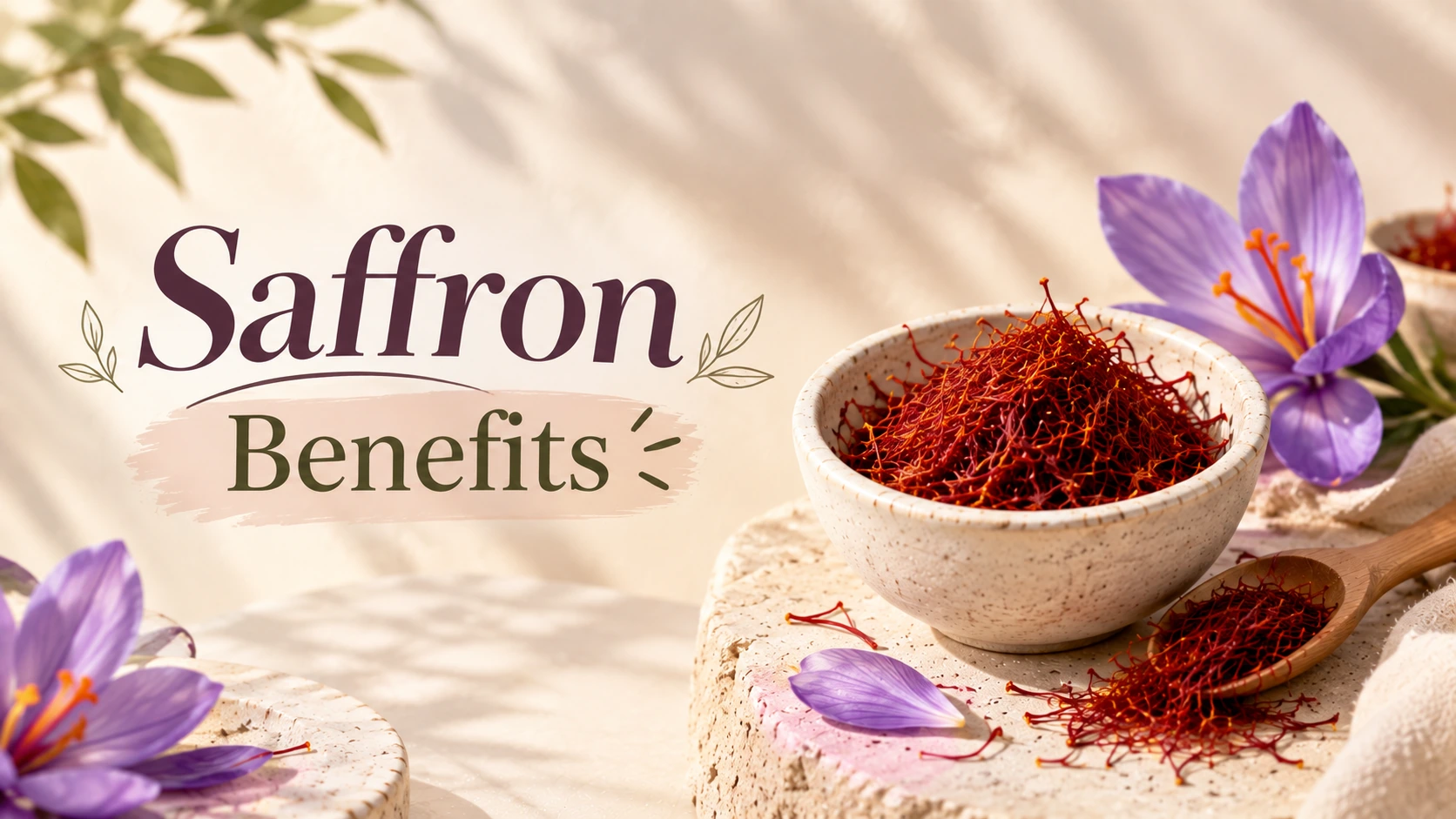
Saffron
Honestly? This is the lazy version. And that's fine, laziness still works here.
Steep some strands in warm water, let it cool down, and pour it into a spray bottle. Spritz it on clean skin, morning, night, whenever.
Someone using this daily for about a month said her skin looked less patchy. More even, her words. No fancy stuff involved, just water sitting with saffron in it, and some patience on her end.
This is basically what the benefits of saffron in skincare routine actually looks like in real life. Not some miracle bottle. Just small habits, repeated, that add up eventually.
Benefits of Saffron in Skincare Routine — Where It Fits Best
Timing matters more than people think. You could be using the right ingredient at the wrong time and barely notice any difference. So where exactly does saffron fit into your day?
Morning vs Night Application
Morning use works if you're after that lit-up, awake look before heading out. Saffron water as a toner in the morning gives skin a slight brightness, nothing dramatic, just enough to look less tired.
Night's a different story. Skin repairs itself while you sleep, so this is when saffron oil or a saffron milk mask does more actual work. Less about looking good right away, more about fixing things underneath.
Honestly, most people who see real results with saffron for skin use it at night, not morning. Worth trying if you've only been doing it during the day.
Combining Saffron with Other Natural Ingredients
Saffron plays well with others. Doesn't need to be used alone.
- Honey — adds moisture, good for dry skin
- Turmeric — boosts the brightening effect, though go easy, it stains
- Sandalwood — cooling, works well for sensitive or irritated skin
- Rose water — mixes well into saffron toner, adds a nice scent too
One combination that's held up well: saffron and honey mask, twice weekly. Skin feels noticeably softer after just two or three uses, not overnight magic, but close.
How Often You Should Use It for Best Results
More isn't always better here. Overdoing saffron skincare can actually irritate skin instead of helping it.
Two to three times a week is enough for most people. Daily use, especially with strong stuff like the milk mask, might do more harm than good over time.
Patience is really the whole game with how to use saffron for glowing skin. It's slow. It's not a three-day fix. Give it a month before deciding whether it's working for you or not.
Saffron Skincare — Precautions and Buying Tips
Here's the thing nobody tells you upfront: most saffron sold online isn't real. Or it's real but cut with something else. So before you get excited about results, let's talk about what to actually look for.
How to Identify Pure Saffron
Real saffron isn't cheap. If a seller's offering it dirt cheap, that's already a red flag, no pun intended.
- Genuine strands are deep red with slightly orange tips, not fully red all the way through
- Drop a strand in warm water, it should release color slowly, over minutes, not instantly
- It smells faintly sweet, almost hay-like, fake stuff usually smells like nothing or like dye
- Real saffron won't turn water bright red immediately, that's usually a sign of added coloring
A friend once bought saffron from a random online seller, threw it in water, and the whole glass turned red in seconds. That's not saffron. That's food coloring with extra steps.
Patch Test and Safety Tips
Even natural stuff can go wrong on certain skin types. Saffron's generally safe, but not universally so.
Test it on your inner arm first. Leave it 24 hours, see if anything happens, redness, itching, whatever. If nothing shows up, you're probably fine to use it on your face.
Pregnant? Check with a doctor before using saffron on skin or otherwise. Some sources suggest caution here, better safe than sorry.
Common Mistakes to Avoid
People mess this up more than you'd expect.
- Using too much saffron thinking more equals faster results, it doesn't
- Skipping the patch test, then wondering why skin's irritated
- Buying cheap saffron and expecting premium results
- Applying it daily instead of the recommended two to three times weekly
- Storing it wrong, saffron loses potency if exposed to light and air too long
Getting the benefits of saffron in skincare routine really comes down to using the real thing, using it correctly, and not overdoing it. Skip the shortcuts here. They don't pay off with this ingredient.
FAQs
1. Can I use saffron on my face daily?
Not recommended. Two to three times a week is plenty. Daily use, especially in a strong mix like saffron and milk, can end up irritating skin instead of helping it.
2. How long does it take to see results from saffron?
Give it a few weeks, honestly. Some people notice a slight glow after just one or two uses, but real changes in tone and texture usually show up after three to four weeks of consistent use.
3. Can I apply saffron on my face overnight?
A saffron-infused oil works fine overnight, that's actually when it does most of its repair work while skin cells regenerate. A milk-based saffron mask, though, isn't meant to sit that long. Wash it off after 15-20 minutes.
4. How to put saffron on your face?
Soak a few strands in milk, water, or oil depending on what you're making. Apply as a mask, toner, or massage in as an oil. Keep it simple, no need for elaborate steps.
5. What not to mix saffron with?
Avoid pairing saffron with strong actives like retinol or high-strength acids, layering them together can irritate skin instead of helping it. Also skip mixing it with harsh, drying ingredients like lemon juice at high concentrations.
6. Is saffron good for aging skin?
Yes. Its antioxidants help protect existing collagen from breaking down too fast, which supports firmness. It's not a wrinkle-eraser, but it does support skin's overall elasticity over time.
7. Is saffron serum a better choice than Vitamin C?
Not really "better," just different. Vitamin C tends to brighten faster and targets pigmentation more aggressively. Saffron works gentler, better suited for sensitive skin that can't handle Vitamin C's intensity.
8. Does turmeric make skin look better?
Yes, turmeric has anti-inflammatory and brightening properties too, similar territory to saffron. It's often paired with saffron for enhanced brightening, though it can stain skin temporarily if left on too long.
9. Can saffron help with acne scars?
To some extent. Its anti-inflammatory properties calm redness, and crocin speeds up cell turnover, which can gradually fade the marks acne leaves behind. It won't erase deep scarring, but for surface-level discoloration, consistent use over a month or two tends to help.
10. Does saffron work for all skin types?
Mostly, yes, it's gentle enough for sensitive skin too. That said, oily skin types might want to stick with water-based saffron toners rather than milk or oil mixes, which can feel heavier and occasionally clog pores if overused.