Dark spots are one of the most common skin concerns in India—sun exposure, humidity, and natural skin tone all play a role in how visible pigmentation shows up.
Every serum on the market claims to be the best face serum for fading them. Most of those claims come down to marketing, not actual ingredients doing the work.
This blog breaks down what actually causes dark spots, which active ingredients genuinely help, and five serums worth considering if you're dealing with pigmentation.
What Causes Dark Spots in Indian Skin Tones
Dark spots don't just appear randomly. They're almost always a response to something specific happening underneath the skin.
Sun Exposure and Melanin Production
UV exposure triggers melanin production as skin's way of protecting itself. Repeated sun exposure without protection means repeated melanin spikes — which is exactly how dark spots and uneven tone build up over time.
Post-Acne Marks and Inflammation
Every breakout that heals can leave behind a mark. Inflammation triggers extra melanin at the site, long after the acne itself is gone. This is one of the most common causes of pigmentation, separate from sun exposure entirely.
Why Indian Skin Tones Show Pigmentation More Visibly
Medium to deeper skin tones naturally produce more melanin, which means pigmentation from sun or acne tends to show up more visibly and take longer to fade compared to lighter skin tones.
Key Ingredients to Look For
A good face serum for dark spots comes down to a handful of proven actives, not a long ingredient list.
Vitamin C – Brightening and Antioxidant Defense
Vitamin C brightens skin and defends against free-radical damage that worsens pigmentation over time. It's one of the most well-researched actives for overall tone improvement.
Niacinamide – Evens Tone, Calms Inflammation
Niacinamide helps even out skin tone while calming the inflammation that often triggers new pigmentation in the first place, especially post-acne.
Alpha Arbutin and Tranexamic Acid – Targeted Pigmentation Fading
These two are built specifically for pigmentation. A serum for pigmentation with alpha arbutin or tranexamic acid targets melanin production directly, rather than just brightening skin generally.
Retinol – Cell Turnover for Long-Term Fading
Retinol speeds up cell turnover, gradually fading existing dark spots while helping prevent new ones from settling in. Results take longer, but they tend to be more lasting.
Why Climate Matters for Serum Choice in India
A dark spot serum in India needs to work with the climate, not against it.
Lightweight, Water-Based Formulas for Heat and Humidity
Heavy serums feel worse in humidity and often sit poorly under other products. Lightweight, water-based formulas absorb faster and don't add extra shine in already hot weather.
Pairing With Daily SPF – Non-Negotiable
None of these actives matter without sunscreen. Skipping SPF while using a pigmentation-focused serum means:
- New sun-triggered melanin keeps forming
- The serum spends its effort undoing damage instead of preventing new spots
- Progress slows down significantly, even with a strong formula
Skipping Heavy, Occlusive Serums
Thick, oil-heavy serums can trap sweat and humidity underneath, increasing breakout risk. Lighter formulas suit Indian weather far better, especially for daily long-term use.
Best Face Serums for Dark Spots in India – Top 5 Picks
Here are five serums worth considering, each built around a different active approach to pigmentation. All are genuinely available in the Indian market.
Minimalist 2% Alpha Arbutin Face Serum
Key actives: Alpha arbutin, ferulic acid
Best for: Targeted, gradual fading of stubborn dark spots and post-acne marks, especially for those who want a single-active, no-frills formula.
The Derma Co 10% Niacinamide Face Serum
Key actives: Niacinamide, zinc
Best for: Oily and acne-prone skin dealing with both breakouts and the pigmentation they leave behind – controls oil while working on tone.
Plum 15% Vitamin C & Mandarin Glow Boost Serum
Key actives: Vitamin C, mandarin extract
Best for: Overall dullness and early-stage pigmentation, plus a genuine brightening effect for anyone chasing an everyday glow alongside spot-fading.
Dot & Key 10% Vitamin C + E Face Serum with 5% Niacinamide
Key actives:Triple Vitamin C (10%), Vitamin E, Niacinamide (5%), alpha arbutin
Best for:Beginners easing into actives - gentle enough for daily AM/PM use, even on sensitive skin.
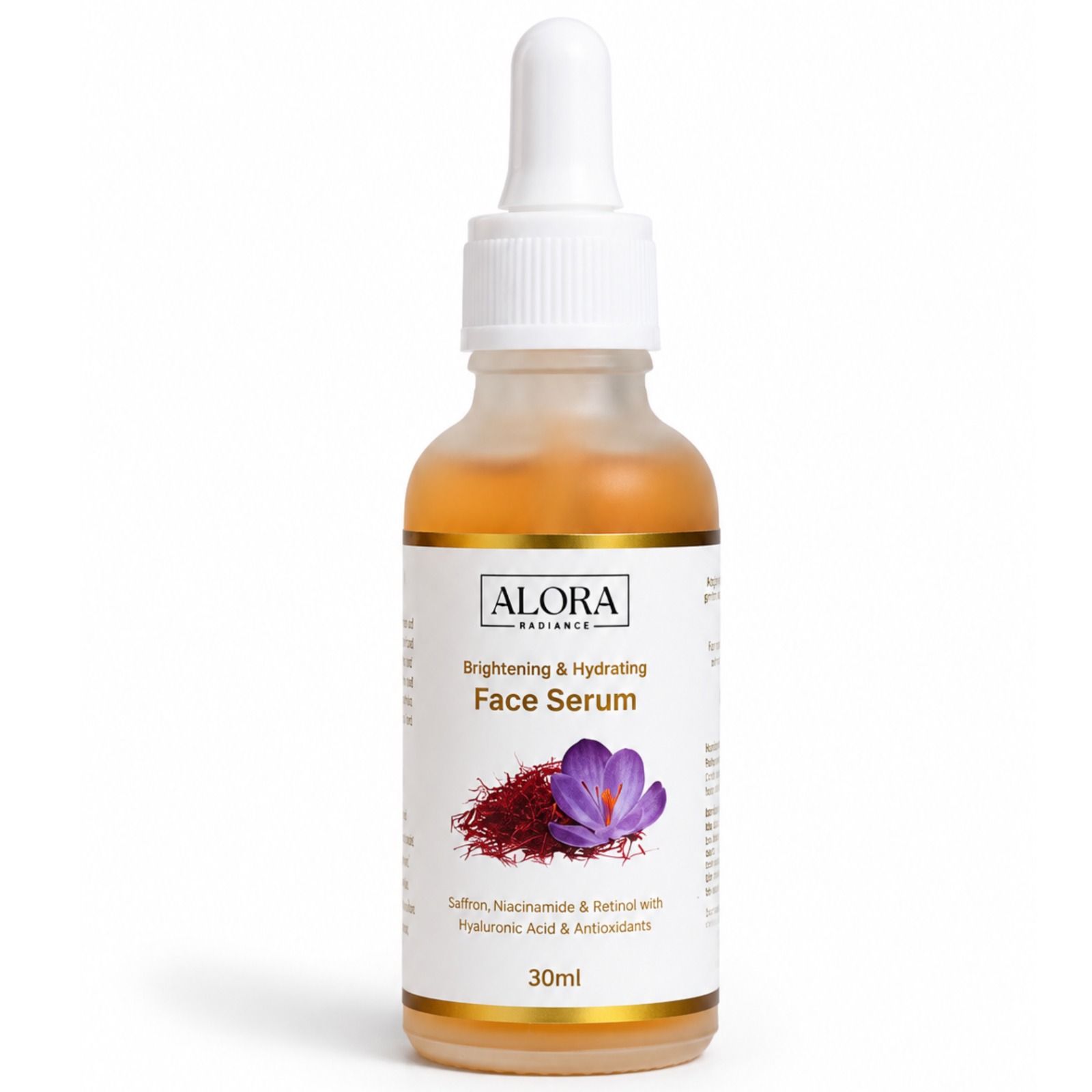
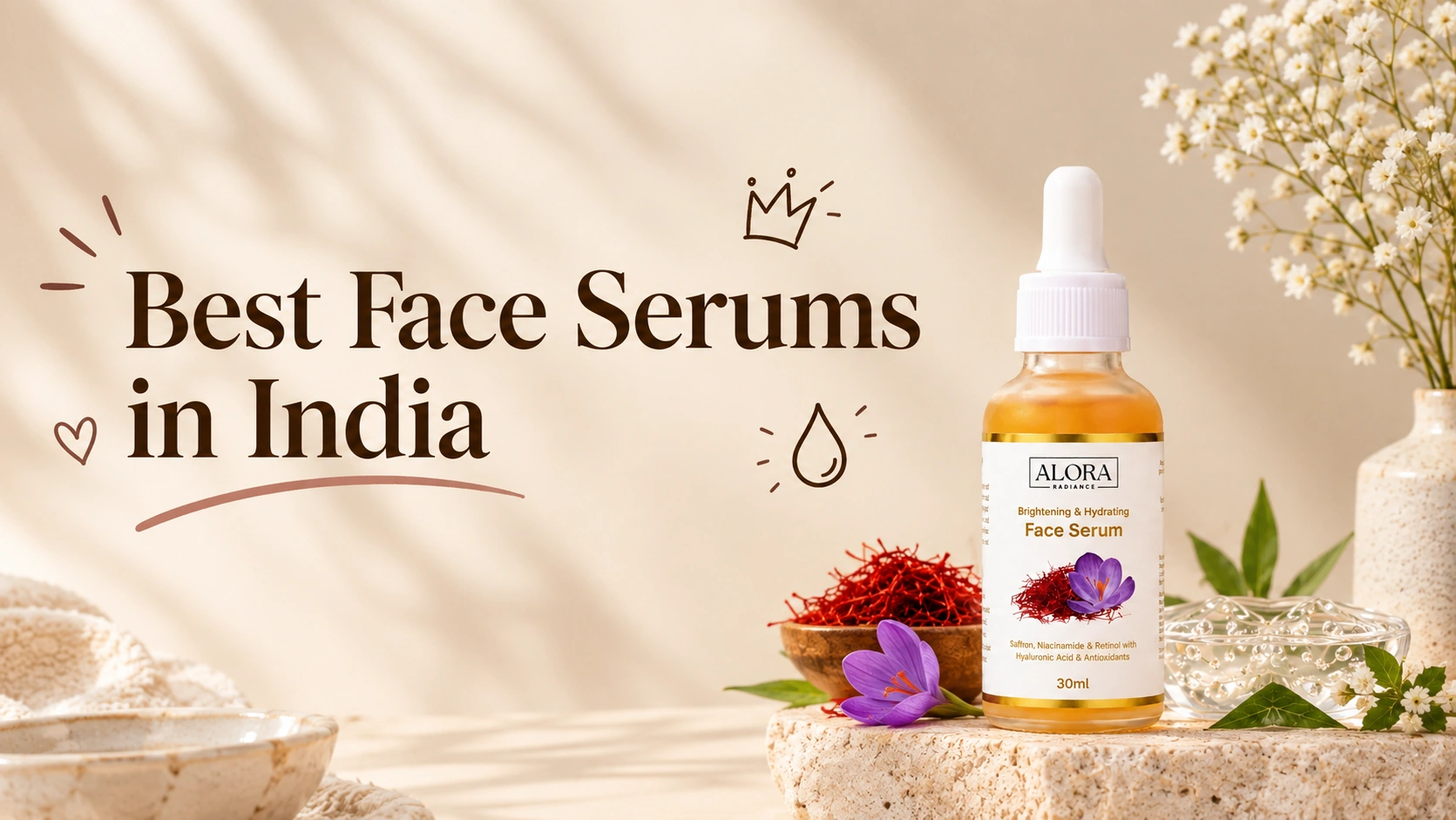
Alora Radiance Brightening & Hydrating Face Serum
Key actives: Saffron, niacinamide, retinol, hyaluronic acid
Best for: A more complete approach pairing traditional brightening (saffron) with modern actives (niacinamide, retinol) alongside hydration, for those wanting pigmentation support and skin texture improvement in one formula.
How to Choose Based on Skin Type and Budget
The "best" serum isn't universal- it depends on what your skin actually needs.
Oily/Acne-Prone – Niacinamide, Lightweight Textures
- Niacinamide controls oil while still fading pigmentation
- Gel or water-based textures absorb without adding extra shine
- Avoid heavy, oil-based serums that can sit poorly on already oily skin
Dry/Sensitive – Hydrating Bases With Actives
- Look for actives paired with hyaluronic acid or similar hydrating ingredients
- Lower concentrations reduce irritation risk on reactive skin
- Cream-based or slightly richer serums prevent the tightness drier skin often feels
Budget vs. Premium – What Actually Changes
Higher price doesn't always mean higher active concentration. What usually changes is formulation stability, added supporting ingredients, and texture refinement not necessarily the core active doing the pigmentation work. A well-formulated budget serum with the right active can outperform an expensive one with the wrong one.
Frequently Asked Questions
1. What is the best face serum for dark spots in India?
There's no single universal answer - it depends on skin type and the specific cause of pigmentation. Niacinamide works well for oily or acne-prone skin dealing with post-breakout marks, alpha arbutin and tranexamic acid are formulated to target stubborn, sun-triggered pigmentation directly, and vitamin C suits general dullness alongside brightening. The right choice comes down to matching the active to the actual concern, not chasing a single "best" label.
2. How long does it take for a serum to fade dark spots?
Most active ingredients need around 4 to 8 weeks of consistent, daily use before visible fading appears. This is because skin cell turnover takes time, and pigmentation fades gradually rather than disappearing overnight. Deeper, older, or more stubborn spots can take longer, sometimes several months, to show noticeable improvement.
3. What ingredients does the Alora Radiance Brightening & Hydrating Face Serum contain?
It's formulated with saffron, niacinamide, retinol, and hyaluronic acid - combining a traditional brightening ingredient (saffron) with modern actives (niacinamide, retinol) and hydration support, aimed at pigmentation and overall skin texture together rather than pigmentation alone.
4. Is retinol or vitamin C better for dark spots?
They work differently rather than one being strictly "better." Vitamin C brightens skin and defends against further UV-related damage, offering more immediate tone improvement. Retinol works by speeding up cell turnover, which fades existing dark spots more gradually but tends to deliver longer-lasting results. Many routines use both – vitamin C in the morning, retinol at night – for combined benefit.
5. Can a serum alone remove dark spots completely?
A serum can significantly fade pigmentation with consistent, long-term use, but complete removal isn't guaranteed for every type of spot. Deeper or longstanding pigmentation, particularly melasma or old scarring, sometimes needs additional dermatologist-guided treatment alongside a serum routine for full improvement.
6. Should I apply serum before or after moisturizer?
Serum goes first, right after cleansing, followed by moisturizer. Serums are thinner and more concentrated, so they need to reach the skin directly rather than being blocked by a heavier product applied first.
7. Is the Alora Radiance face serum suitable for pigmentation-prone Indian skin?
Its ingredient mix targets both brightening and cell turnover, which can help with pigmentation over consistent use. As with any active-ingredient serum, patch testing first and pairing it with daily SPF are still essential for it to work effectively.
8. Can diet or lifestyle affect dark spots?
Sun exposure remains the biggest external factor, but poor sleep, high stress, and inconsistent skincare habits can also slow down skin's natural repair process, making pigmentation take longer to fade even with an active serum in use.
9. Can I use vitamin C and niacinamide together?
Yes. Modern, well-formulated serums are generally stable when combined, and many products now include both actives in a single formula. If any sensitivity shows up when using them together, splitting them by time of day - vitamin C in the morning, niacinamide at night - is a simple workaround that still delivers both benefits.
10. Which ingredient is best for stubborn pigmentation?
Alpha arbutin and tranexamic acid are specifically designed to target melanin production at its source, rather than just brightening skin generally. This makes them stronger choices for deeper, more stubborn, or longer-standing pigmentation that hasn't responded well to general brightening actives like vitamin C alone.