You've bought the serum. You've bought the moisturizer. Maybe even the fancy SPF everyone's talking about. But if you're slapping them on in the wrong order, you're basically throwing money away.
Here's the thing nobody tells you at the beauty counter: skincare isn't just about what you use. It's about when you use it. Put your moisturizer on before your serum, and that expensive serum barely gets absorbed. Skip sunscreen as the last step, and it can't do its job properly.
The good news? The correct order to apply skincare products isn't complicated once you know the logic behind it.
Why the Order to Apply Skincare Products Matters
Skin absorbs products in layers, not all at once. The order to apply skincare determines whether each formula actually reaches the skin or just sits on top of another product, doing nothing.
Here's the basic rule: thinner formulas go first, heavier ones go last. A watery serum needs direct contact with skin to absorb properly. If you apply a thick cream first, it blocks everything that comes after it.
Get the order wrong, and a few things happen. Products start pilling, balling up on the skin instead of absorbing. Active ingredients never reach deep enough to actually work. And in some cases, actives combine or layer in ways that irritate the skin barrier instead of helping it.
How Layering Affects Ingredient Absorption
Texture is a signal, not a styling choice. It tells you where a product belongs in the routine.
Watery and gel formulas, like toners and essences, absorb fastest, so they go first. Serums come next. They carry concentrated actives and work best applied right after cleansing, while skin is still slightly damp. Creams and lotions are heavier by design. They sit on top of everything else to seal it all in. SPF always comes last, forming a protective film on the surface of the skin.
Each layer needs the one before it to fully absorb. Rushing this stacks products on top of each other instead of into the skin.
Common Mistakes People Make With Skincare Application Order
Most skincare application order mistakes aren't about bad products. They're about sequence.
Applying moisturizer before serum is one of the most common. The serum gets blocked underneath and can't penetrate the way it's meant to. Skipping SPF is another. It leaves skin unprotected even when every other step in the routine was done right. Mixing actives incorrectly causes problems too, whether that's combining retinol and vitamin C in the same routine or layering two exfoliating acids back to back, both of which tend to irritate rather than improve skin.
Fixing the order alone, without buying a single new product, often improves results faster than adding more steps.
Correct Skincare Steps for Your Morning Routine
Morning skincare has one job: protect your skin from what the day is about to throw at it. Sun, pollution, dust, whatever's outside your door. The right skincare products, applied in the right order, build a shield that actually holds up.
Step 1 — Cleanser
Start with a gentle cleanser, nothing that strips or tightens the skin. Skin loses a bit of oil overnight, so a harsh morning cleanse just undoes that balance before the day even starts. A mild, non-foaming formula is usually enough to clear away sweat and any product residue from the night before.
Step 2 — Toner (Optional)
Toner isn't a must-have for everyone. If your skin runs oily or feels uneven in texture, a toner can help prep it for the next steps. If you have dry or sensitive skin, or your routine already feels complete without it, feel free to skip it. Nothing here is set in stone.
Step 3 — Serum
This is where the actives come in. Morning serums work best when they're lightweight and antioxidant-focused, think Vitamin C, which helps defend skin against environmental damage through the day. Apply it to slightly damp skin so it absorbs quickly instead of sitting on the surface.
Step 4 — Moisturizer
Moisturizer locks in everything applied before it. It seals the serum in, keeps the skin barrier steady, and stops moisture from evaporating as the day goes on. Even oily skin needs this step, just in a lighter formula.
Step 5 — Sunscreen (SPF)
SPF isn't optional. It's the last step, and it's the one step nothing else in the routine can substitute for. Without it, UV exposure undoes a lot of the work the earlier steps just did. Apply it generously, and reapply every two to three hours if you're outdoors for long stretches.
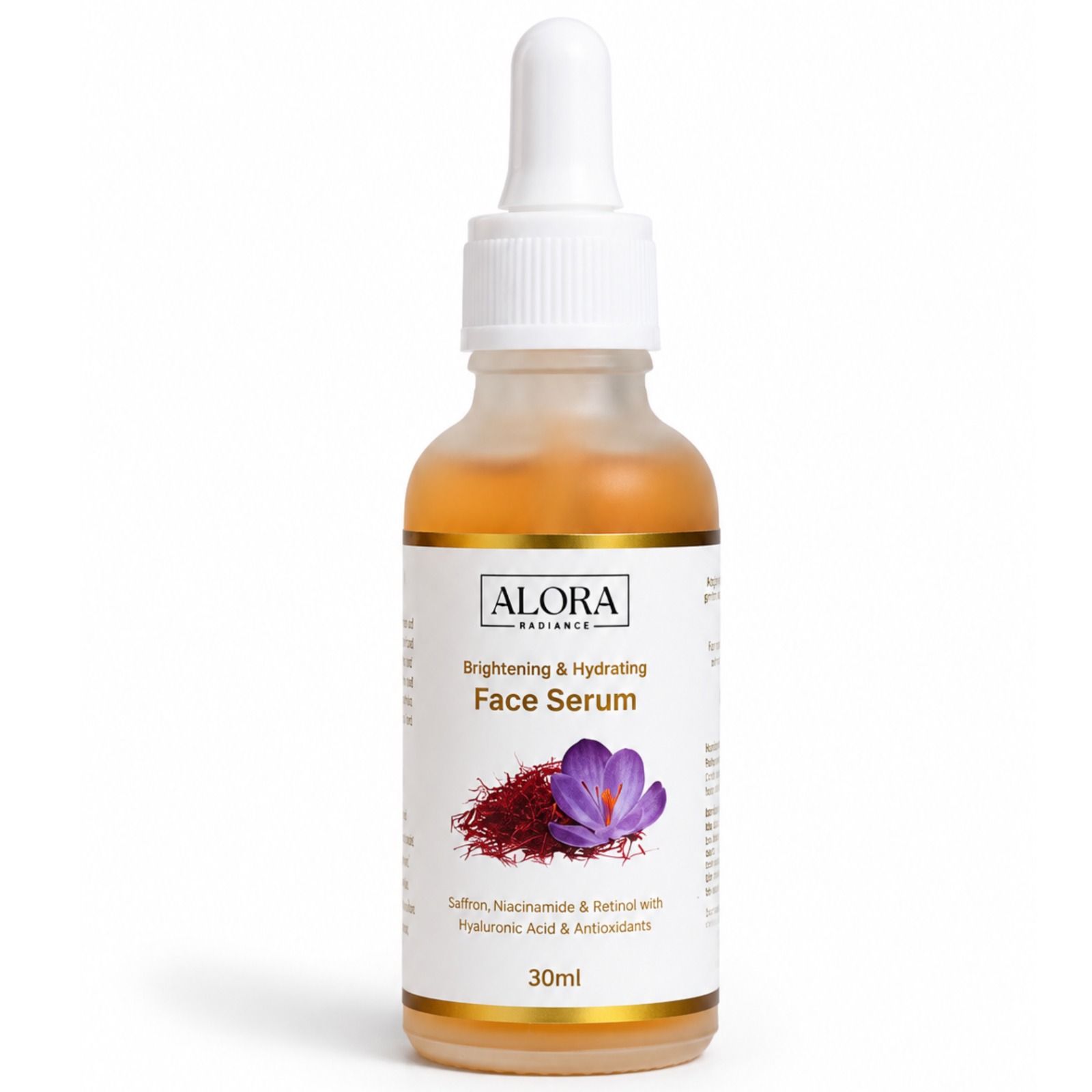
For a routine that hits all five steps in one go, Alora Radiance's Brightening & Hydrating Face Serum and Face Cream + Sunscreen SPF 30++ cover the serum and moisturizer-SPF steps in formulas built for daily use.
Correct Skincare Steps for Your Night Routine
Nighttime is when skin actually gets to work. There's no sun to fend off, no pollution to filter through, just hours of quiet repair. The correct skincare steps at night look a little different from morning, because the goal shifts from protection to recovery.
Step 1 — Double Cleansing
One cleanse in the evening usually isn't enough. Sunscreen, makeup, and a full day's buildup of oil and pollution sit on the skin, and a single wash tends to just move that around rather than remove it. Double cleansing fixes this: an oil-based cleanser first to break down makeup and SPF, followed by a gentle water-based cleanser to clear away whatever's left. Skin should feel clean afterward, not tight or dry.
Step 2 — Treatment Serums (Retinol, Actives)
Night is when the stronger stuff comes out. Retinol, exfoliating acids, and other active ingredients work best after dark, partly because they can make skin more sensitive to sunlight, and partly because the skin's repair cycle is already in gear overnight. Apply these to clean, fully dry skin, and start slow if you're new to actives. Once or twice a week is plenty at first.
Step 3 — Night Moisturizer or Sleeping Mask
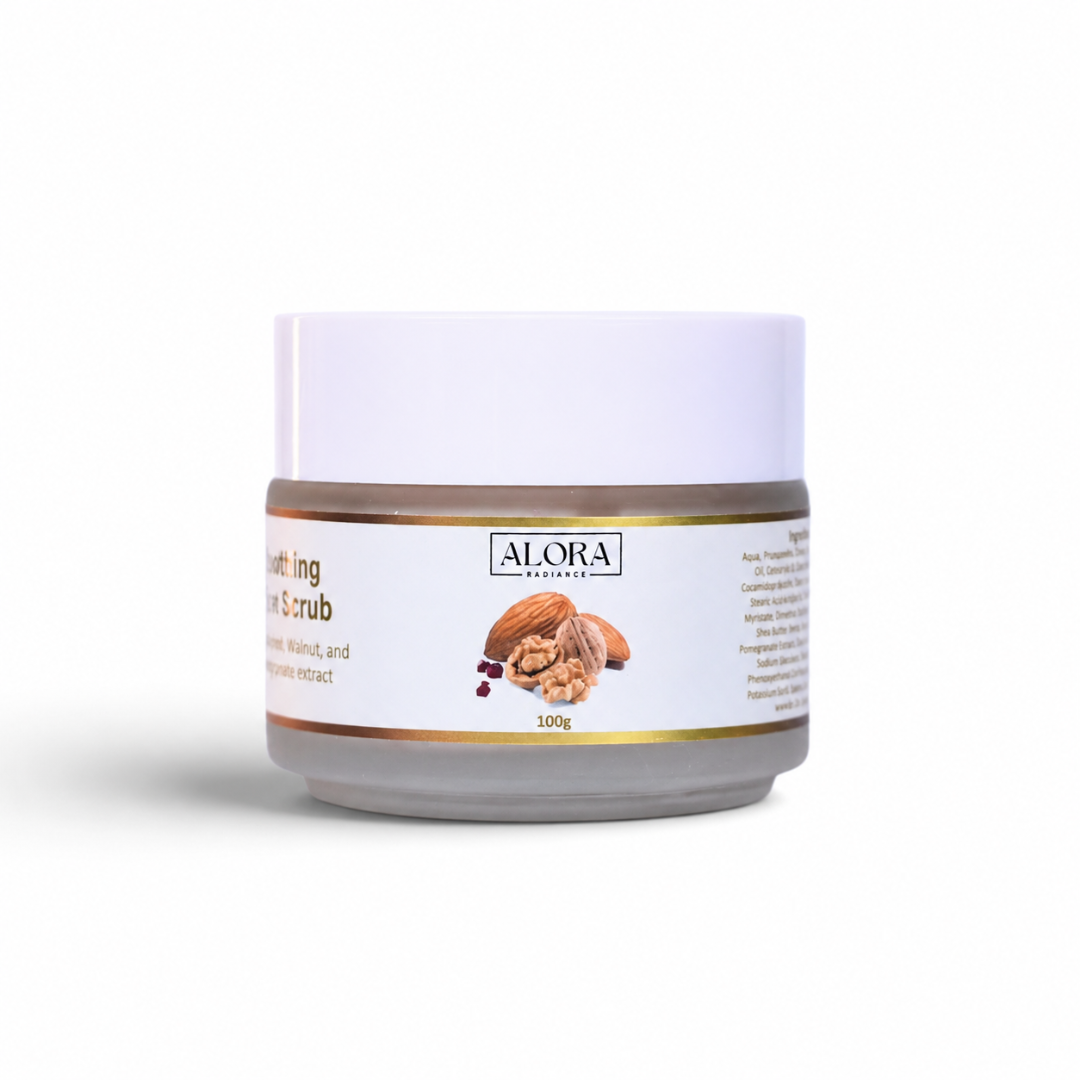
The last step is about sealing everything in. Night creams and sleeping masks tend to be richer than daytime moisturizers, built to support the skin barrier while it repairs itself over several hours. If your skin's been feeling rough or uneven in texture, working in a gentle scrub like Alora Radiance's Soothing Face Scrub once or twice a week, ahead of your night routine, can help the rest of your products absorb better.
Wake up, and the difference usually shows. That's the whole point of a night routine done right: skin doing the repair work while you're doing nothing at all.
Cleanser, Serum, Moisturizer Order — The Golden Rule
If you remember nothing else from this guide, remember this: the cleanser, serum, moisturizer order isn't up for debate. It's the backbone every good routine is built on, morning or night.
Why Cleanser Always Comes First
Skin collects a lot over a few hours, sweat, oil, dust, leftover product from the night before. None of that is a great surface for a serum to work on. Cleansing clears it all away, so whatever comes next is actually touching skin, not a layer of grime sitting on top of it. Skip this step, or rush it, and every product after it is working harder than it needs to.
Why Serum Goes Before Moisturizer, Not After
Serums are concentrated. That's kind of their whole purpose, a small amount carrying a lot of active ingredient. But concentration only matters if the serum actually reaches the skin, and it can't do that through a layer of moisturizer sitting in the way. Applying serum first, onto bare, clean skin, gives it direct contact. Moisturizer afterward does its own job of locking that in.
Thin-to-Thick Texture Rule Explained
There's an easy way to remember all of this without memorizing steps: go from thin to thick. Picture it like pouring liquids of different weights into the same glass, water first, then something heavier, then something even heavier still. Watery formulas go on first, gels next, creams after that, and SPF last, since it needs to sit on top and stay there.
Watery → Gel → Cream → SPF.
Get that order right, and everything else about a routine tends to fall into place on its own.
How to Layer Skincare With Multiple Serums or Actives
Once you're using more than one active ingredient, the question stops being "what order" and becomes "which ones even go together." This is where a lot of routines quietly go wrong, not from bad products, but from good products fighting each other.
Layering Order for Vitamin C, Niacinamide, and Retinol
These three show up in almost every routine, and each one has a time of day it works best in.
A simple way to think about it: Vitamin C protects during the day, retinol repairs at night, and niacinamide fits in wherever it's needed to calm and balance things in between.
Products You Should Never Layer Together
Some combinations just cancel each other out or irritate skin instead of improving it.
Retinol and vitamin C are a common mix-up. Applied together, they can destabilize each other and leave skin more sensitive than either one would alone, better to use vitamin C in the morning and save retinol for night. AHA or BHA exfoliants layered with retinol on the same night is another one to avoid. Both increase cell turnover, and stacking them tends to overwhelm the skin barrier rather than double the benefit.
If a routine calls for both, alternating nights usually works better than layering them back to back.
How Long to Wait Between Layers
Rushing through a routine is one of the easiest ways to waste a good product. Give each layer roughly 30 to 60 seconds to sink in before applying the next one. Skin should feel dry to the touch, not sticky or slick, before you move on.
It's a small habit, but it's the difference between a serum actually absorbing and a serum just sitting on top of a moisturizer, doing nothing.
Skincare Application Order for Different Skin Types
The five steps don't change, but what fills each step should shift with skin type. A gel cleanser that suits oily skin will leave dry skin feeling tight. A rich cream that saves dry skin will clog oily skin within a week. Skincare application order has to bend around skin type, or the routine ends up working against itself.
Oily and Acne-Prone Skin
Oily skin does better with less weight, not less product.
- Cleanser: gentle and oil-free; anything too stripping just signals the skin to produce more oil
- Serum: gel-based, with niacinamide or salicylic acid, absorbs without adding shine
- Moisturizer: oil-free gel formula, still needed even though it's tempting to skip
- SPF: matte finish so it doesn't sit greasy under makeup
Dry and Sensitive Skin
Dry skin needs the opposite approach, more cushion at every step.
- Cleanser: cream-based, low foam, gentler than gel formulas
- Serum: hyaluronic acid or ceramides to rebuild moisture that's already lacking
- Moisturizer: richer texture, fragrance-free if skin reacts easily
- SPF: moisturizing base rather than matte, which can feel drying on skin already short on water
Combination Skin
Less about swapping products, more about where you apply them.
- T-zone (forehead, nose, chin): usually oilier, suits a lighter product
- Cheeks: often drier, can handle a heavier cream
- Serum: works fine applied evenly across the whole face
- Moisturizer: the step most worth adjusting zone by zone
Frequently Asked Questions
1. What is the correct order to apply skincare products?
Cleanser first, then toner if you use one, then serum, then moisturizer, and sunscreen last in the morning. At night, the order is the same minus SPF, with treatment products like retinol replacing your daytime serum.
2. Can I skip toner if I don't have one?
Toner is optional. Skip straight from cleanser to serum if that's your routine, nothing about the rest of the steps depends on it.
3. Is moisturizer necessary for oily skin?
Yes, even oily skin needs moisture. Skipping it can actually make skin produce more oil to compensate. Use a lightweight, oil-free formula instead of skipping the step.
4. How long should I wait between skincare steps?
Around 30 to 60 seconds per layer is usually enough. Skin should feel dry to the touch, not sticky, before you move to the next product.
5. What happens if I apply skincare products in the wrong order?
Products can pill on the skin instead of absorbing, active ingredients may not reach deep enough to work, and some combinations can irritate skin that would otherwise tolerate each product fine on its own.
6. Can I use the same serum for both morning and night?
Some serums work fine for both, like hyaluronic acid. Others, like vitamin C, are better suited to mornings, and actives like retinol should stay in the night routine only.
7. How often should I apply active ingredients like retinol?
Once or twice a week is a reasonable starting point, especially if you're new to it. Build up frequency slowly as skin adjusts, rather than using it nightly right away.
8. Why is double cleansing important at night?
A single cleanse often can't fully remove sunscreen, makeup, and a day's buildup of oil and pollution. An oil-based cleanser followed by a water-based one clears skin more thoroughly.
9. Should serum go before or after moisturizer?
Before. Serums carry concentrated active ingredients that need direct contact with skin. Applying moisturizer first blocks that absorption.
10. What's the difference between a morning and night skincare routine?
Morning routines focus on protection, cleanser, serum, moisturizer, SPF. Night routines focus on repair, double cleansing, treatment actives like retinol, and a richer moisturizer or sleeping mask.