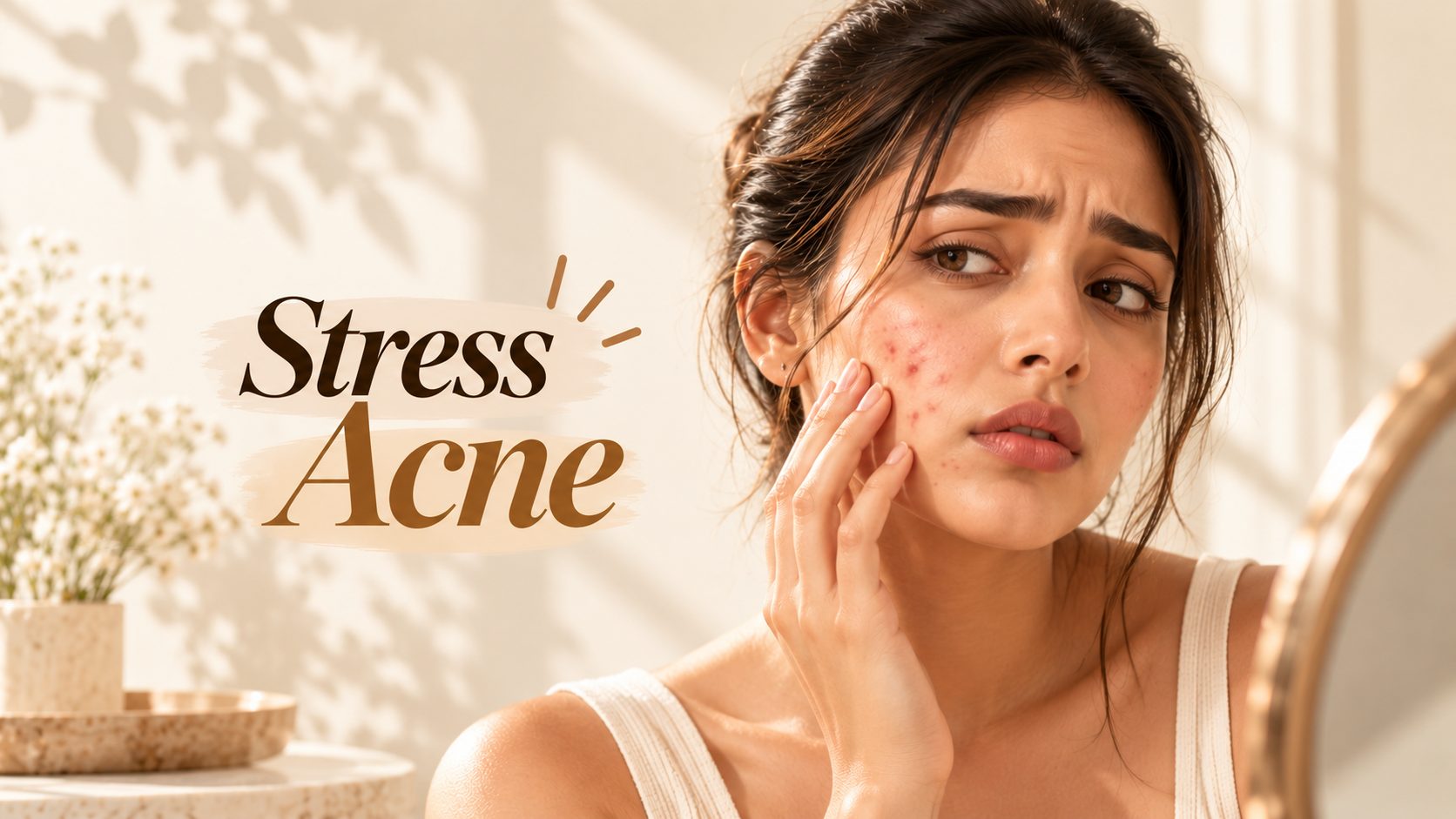
You have a big deadline, a bad week, or a night of terrible sleep, and by morning a cluster of new pimples has shown up on your chin. It’s easy to wonder: does stress cause acne, or is it just bad timing?
Stress doesn’t create acne from scratch, but it can make breakouts more frequent, more inflamed, and slower to heal. This guide explains what’s happening in your skin, how to recognize stress breakouts, and what you can do to calm them down.
Does Stress Cause Acne? What the Science Says
Stress does not cause acne. However, it can cause more frequent outbreaks of acne as well as increase their severity. If you have a predisposition to getting acne, a stressful period may cause an outbreak on your face.
Stress Doesn’t Start Acne, but It Can Make It Worse
Acne begins with clogged pores, extra oil, and bacteria. Stress doesn’t create any of those from scratch, but it can push each one in the wrong direction.
That’s why stress breakouts tend to appear in people who already get the occasional pimple. They also explain why stress and hormonal acne are so closely linked.
How Stress Affects Your Skin
In cases when the body experiences stress, cortisol is produced by the body in order to help the body handle the situation. Cortisol is responsible for stimulating the oil glands to produce more sebum.
Stress also affects your skin in other ways:
- The pimples become more red and painful due to increased inflammation.
- The skin becomes more sensitive due to a weakened skin barrier.
- Slow healing process making the spots last longer.
The changes bring about the common signs of stress-induced acne, including inflamed bumps on the forehead, chin, and jawline.
Why Breakouts Can Show Up Days After a Stressful Event
You might not notice any harm done straightaway. Oil will accumulate over time, and when a pore becomes clogged, it can take days before you start seeing signs of a pimple. The breakout may have developed some time after the stressful situation.
In case you wonder where that breakout came from, take a look back at the past one or two weeks. You'll find it much easier to find ways to overcome stress acne when you know what causes it
Stress and Hormonal Acne: What’s Happening Inside Your Skin
The connection between stress and hormonal acne is obvious since both processes involve hormones that affect oil glands in your body. After you learn how the whole mechanism functions, you will understand why it happens.
Cortisol, Oil Glands, and Clogged Pores
One of the hormones that controls how much oil your skin produces is cortisol. Your oil glands will overproduce if you have too much cortisol due to stress.
Here’s how that turns into a pimple:
- Extra oil builds up on the skin
- The dead cells combine with this oil to form a clog
- Bacteria grow in this clog and form a pimple
Inflammation and Slower Healing
The stress hormone also maintains an inflammatory reaction in your body. This is the reason behind the redness and sensitivity in the appearance of stress acne compared to common pimples.
Moreover, it might hinder wound healing. This means that a pimple that will heal normally within a few days will stay there much longer. And that is precisely the reason why taking care is so important while trying to remove stress acne.
Habits That Stress Triggers
Stress influences your skin regimen without you even realizing it. There are some practices that contribute to increased breakouts:
- Lack of sleep that denies your skin adequate time for healing.
- Breaks in routine such as sleeping with your make up on.
- Face touching and picking that leads to the transfer of bacteria and dark spots.
- Unstable meal times that may disrupt your entire day.
None of this means you’ve done something wrong. It’s simply what a stressful week does to most of us. The good news is that a simple skincare routine for stress acne can help you stay consistent, even when life feels busy.
Stress Acne Symptoms: What Stress Breakouts Look Like
Stress-induced acne looks very much the same as normal acne, hence the reason why many people fail to recognize this condition. However, there are some signs that could be used as an indication.
Where Stress Breakouts Tend to Appear
Stress breakouts tend to appear anywhere on the face, though there are some spots that are prone to such occurrences:
- Forehead: small bumps and blackheads, due to excess production of sebum in the T-zone
- Jawline and chin: an area where breakouts are frequently observed, associated with stress and hormonal breakouts
- Cheeks: especially if you tend to rest your hands on your face when you’re anxious
There’s no strict rule, though. Your own pattern matters more than any map.
Common Types of Stress Breakouts
Most people perceive an array of different spots all at once:
- Acne that is painful to touch because it appears inflamed, red, and swollen
- Acne formed by whiteheads and blackheads
- Tender bumps under the skin that hurt but never come to a head
The pain tends to be the most obvious sign. Inflammation increases when you are stressed, and hence, even tiny areas hurt more than they should normally.
How Stress Breakouts Differ From Other Acne
There is no distinctive appearance of stress-related acne; rather, it depends on when and where it occurs:
- Flare-ups that suddenly strike during an overloaded week, during exams, moving, or having tough times at the office.
- Improvement when life calms down, even without changing your products
- Extra oiliness or sensitivity showing up alongside the pimples
For a few weeks, taking notes on your phone is the best option. Keep track of your weekly activities and the times when your acne appears. Patterns start to show quite quickly.
You have to realize that there are many causes of acne, hormones, products, diet, genetics, all have a role to play in this problem, so it may not necessarily be stress.
If one knows the cause of his/her problems then it becomes easy for him/her to know how to cure stress acne. In case you are suffering from pimple and scar formation and are experiencing pain, you should definitely go see a dermatologist.
How to Get Rid of Stress Acne
In case you want to know how to eliminate stress pimples, you should remember that the process is much easier than many believe. The irritated skin needs to be calmed first before treatment.
Calm the Skin First
When your skin is inflamed, doing less usually works better than doing more.
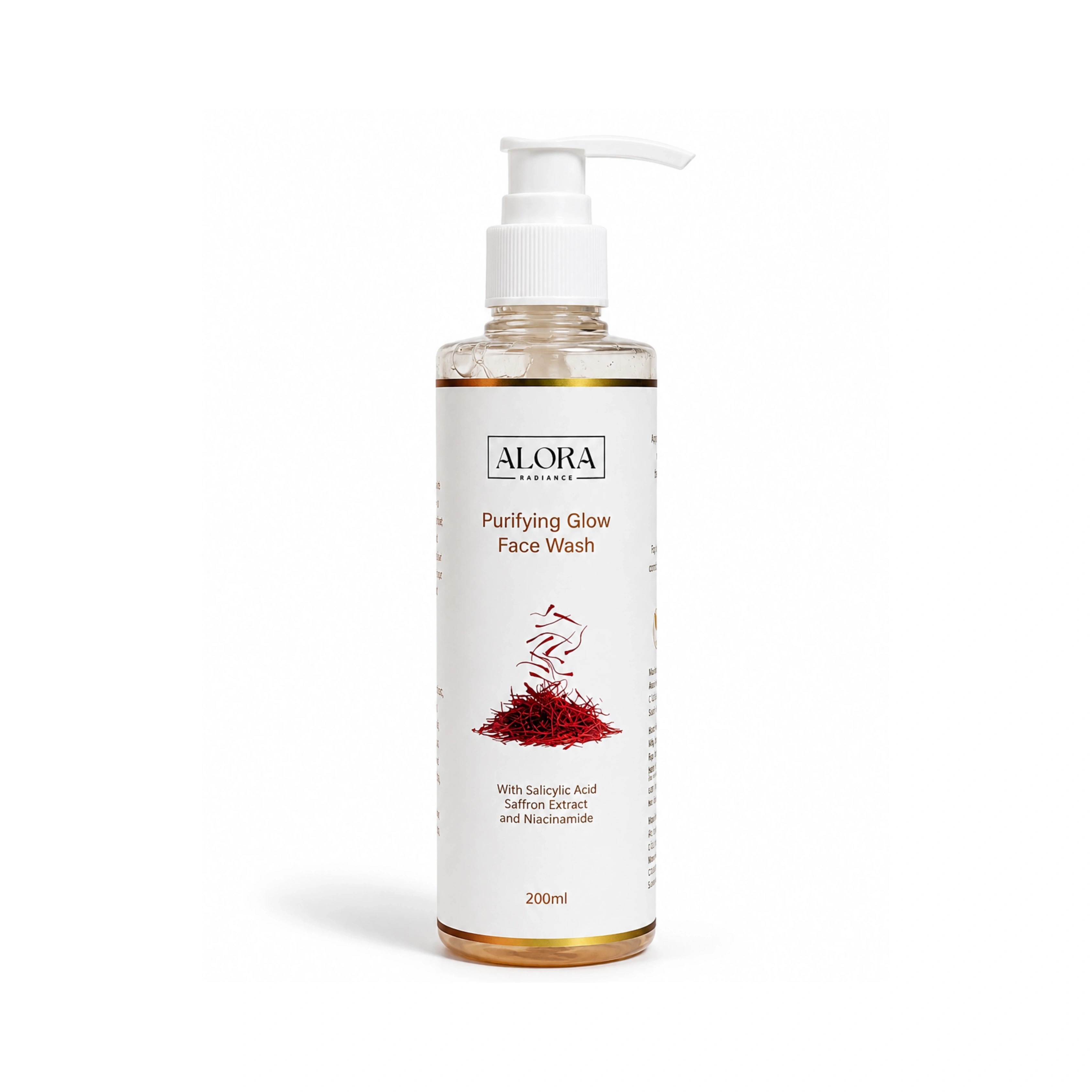
- When it comes to treating stress acne, it’s actually simpler than most people think. Stress-induced skin tends to be inflamed skin, and the first thing that you need to do is to soothe it before treating it. You should always use a gentle cleanser during the morning and evening, not a harsh or stripping cleanser.
- Avoid scrubbing and exfoliating, as this may lead to irritation
- Don’t squeeze or pop pimples as this introduces bacteria into the skin and causes dark spots
- Moisturize daily, regardless of whether your skin is oily or not
Think of this as clearing the way. Treatments work better on skin that isn’t already irritated.
Use Targeted Ingredients
Once your skin feels calmer, bring in one helpful ingredient at a time. These are the ones most often used for stress breakouts:
- Salicylic acid unclogs pores and prevents them from getting clogged again
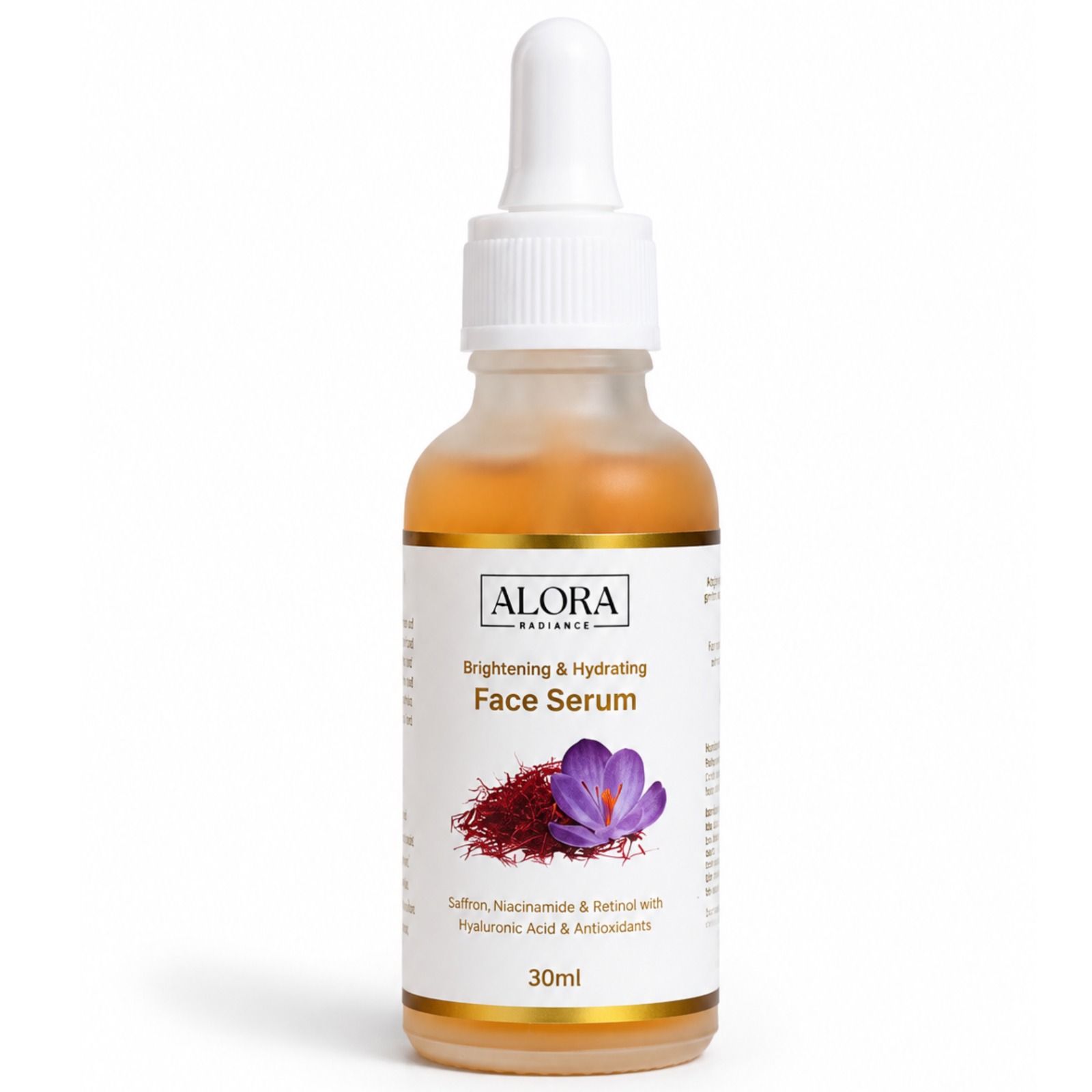
- Niacinamide soothes inflammation and controls oil production
- Azelaic acid reduces bumps and helps fade the marks pimples leave behind
A few individuals apply a dilute benzoyl peroxide solution to the affected areas as well. It does help, although it dries out the skin; therefore, be careful with it.
A few ground rules make a big difference:
- Test any new product first on a small patch.
- Begin slowly, 2 or 3 times a week.
- Wait two weeks before adding another product
This is the essence of any good skin-care regimen to fight stress-related breakouts: minimal use of skin care products.
Be Patient: Why Stress Acne Takes a Few Weeks to Settle
The majority of acne products require 4 to 8 weeks before showing their results. If your acne is caused by stress, its treatment may be prolonged further due to persistent irritation of skin by the same signal to generate oil and inflammation.
Do not change products if your skin does not improve. Changing products will cause irritation of your skin and make it impossible for you to determine what is helpful.
Reduction of stress is also beneficial in this situation since hormonal and stress acne are mutually supportive. Even minor actions such as good sleep, walking for 20 minutes, or meditation may assist your skin in its recovery.
Skincare Routine for Stress Acne
It is important that the skincare routine be a simple one. This is because your skin will be under the burden of too much sebum and inflammation, so all it needs is a little support.
Simple Morning Routine
Mornings are about protecting your skin and keeping oil in check.
- Cleansing agent that will clean away the oils that accumulate at night without drying out your skin
- Niacinamide Serum that will treat your redness and prevent excessive shine
- Moisturizer that will fortify your skin barrier
- SPF 30 or higher as the sun can cause pigmentation of your acne scars
Simple Evening Routine
Evenings are for cleaning up and repairing.
- A mild cleanser that will remove any sunscreens, makeup, and other products you have put on throughout the day
- One skincare product used two to three times a week initially, such as salicylic acid or azelaic acid
- Moisturizer for your skin while sleeping
On days when you have irritated skin that is tight, red, or sensitive, leave out the treatment and just use cleanser and moisturizer. Pimples from stress heal quicker when the skin is not overworked.
Where a Gentle Product From Our Site Fits In
Choosing the right skincare products becomes crucial when you have sensitive skin. Go for hypoallergenic, oil-free products that moisturize the skin without clogging the pores.
That's where [Your Product Name] comes into the picture. It is an ideal product to include in your skincare regimen as the last step, making sure that your skin stays happy while your other products perform their function.
Keep things simple and consistent, and allow a few weeks' time for your skin to adapt to the new regimen. This is by far the simplest way of figuring out how to treat stress-induced acne.
Lifestyle Habits That Help Calm Stress Breakouts
Skincare does a lot, but it works best alongside habits that bring your stress down. You don’t need a total life makeover. A few small, steady changes can help your skin settle.
Sleep, Movement, and Stress Relief That Supports Clearer Skin
Skin repair happens mostly at night-time, hence sleep is very important than what most people think.
- Maintain a consistent bedtime as a regular sleep pattern will help your body regulate its stress hormones.
- Take some form of physical activity each day whether it be a walk or any form of exercise.
- Practice a relaxation technique such as deep breathing or even spending time outdoors.
Even small breaks can ease the stress and hormonal acne cycle over time.
Sleep and Relaxation Habits That Calm Stress Breakouts
When you’re stressed, your body releases more cortisol, a hormone that can nudge your skin to make extra oil and make breakouts more likely. Poor sleep adds to the problem, because tired skin has a harder time recovering. The good news is that small, calming habits can help your skin and your mood at the same time, and they don’t need to take up much of your day.
- Aim for 7 to 8 hours of sleep, and try to go to bed at a similar time each night
- Take a 10-minute walk or stretch break when you feel tension building
- Try slow, deep breathing for a few minutes before bed
- Switch off screens about 30 minutes before you sleep
- Make time for something you enjoy, like music, reading, or a hobby
Frequently Asked Answer
1. Does stress cause acne?
Stress doesn’t start acne on its own, but it can make breakouts more frequent, more inflamed, and slower to heal. If your skin is already prone to pimples, a stressful stretch can turn a few spots into a full flare-up.
2. What do stress breakouts look like?
Stress breakouts look a lot like regular acne. You may see red, swollen pimples, whiteheads, blackheads, and tender bumps under the skin that hurt but never come to a head. They often feel more sore than usual, since stress increases inflammation.
3. Where do stress breakouts usually appear?
They can show up anywhere on the face, but the forehead, chin, and jawline are common spots. Cheeks can also be affected, especially if you tend to rest your hands on your face when you’re anxious. Your own pattern matters more than any map.
4. How does stress cause breakouts?
When you’re stressed, your body releases more cortisol. Higher cortisol can tell your oil glands to make more sebum, and extra oil mixes with dead skin cells to clog pores. Stress also increases inflammation and slows healing, so pimples look angrier and last longer.
5. How long does stress acne last?
It depends on the person and on how long the stress continues. Individual pimples may heal in a few days to a couple of weeks, but a full flare-up can take 4 to 8 weeks to settle with a consistent routine. If stress stays high, breakouts may linger longer.
6. How can you tell if your acne is caused by stress?
There’s no test, but a few clues help. Look for sudden flare-ups during a hectic week, breakouts that improve when life calms down, and extra oiliness or sensitivity showing up alongside the pimples. Keeping a short note of when breakouts appear and what was going on can reveal a pattern. Hormones, products, diet, and genetics can also play a role.
7. How do you get rid of stress acne?
Calm your skin first with a gentle cleanser and a moisturizer, and don’t pick or squeeze spots. Then add one targeted ingredient at a time, such as salicylic acid, niacinamide, or azelaic acid, and patch test it first. Give each change a few weeks before judging results.
8. What is the best skincare routine for stress acne?
Keep it simple. In the morning, use a gentle cleanser, a niacinamide serum, a lightweight moisturizer, and SPF 30 or higher. In the evening, use a gentle cleanser, one treatment product such as salicylic acid or azelaic acid 2 to 3 nights a week, and a moisturizer. On nights your skin feels irritated, skip the treatment.
9. Can lifestyle changes help stress breakouts?
Yes. Consistent sleep, daily movement, and a calming habit such as deep breathing or time outdoors can help lower stress. Small habits help too: change your pillowcase once or twice a week, keep your hands off your face, and don’t pick at spots. Research on diet and acne is still developing, but drinking enough water and eating balanced meals are easy places to start.
10. When should you see a dermatologist for stress acne?
See a dermatologist if your breakouts are painful, deep, or leaving scars, or if they don’t improve after 8 weeks of consistent care. A professional can suggest stronger treatments and check whether hormones or another condition could be involved.