Your skin can't absorb everything a heavy cream promises. That's the problem most moisturizers never solve. A face serum works differently. It's lightweight, packed with active ingredients, and built to sink deep into your skin instead of just sitting on top. That's exactly why face serums have become a non-negotiable step in skincare routines everywhere.
But not all serums do the same job. Some hydrate. Some brighten. Some fight fine lines. In this guide, we'll break down what a face serum actually does, the best ingredients to look for, and how to use one the right way so you can finally get the glow you've been chasing.
What Is a Face Serum? Benefits You Need to Know
A face serum is a light, quick-absorbing treatment loaded with a strong dose of active ingredients stronger than most creams or lotions.Unlike creams, it's built to deliver those actives deep into the skin.. That's what serum does. Smaller molecules, deeper delivery, faster results.
What Makes a Face Serum Different from Moisturizer
A moisturizer's job is to seal in hydration and protect your skin barrier. A serum's job is to treat specific concerns: dullness, fine lines, uneven tone. Moisturizers are thicker. Serums are thin, almost water-like, and absorb in seconds. Think of moisturizer as the lock, and serum as what actually gets in before the door closes.
Face Serum Benefits: From Hydration to Anti-Aging
A good face serum does more than one job at once. Hyaluronic acid pulls moisture into the skin. Vitamin C and niacinamide fade dark spots and even out tone. Peptides support collagen, which means firmer skin over time. Used consistently, a face serum benefits nearly every visible sign of tired, dull, or aging skin.
Which Skin Types Benefit Most from a Face Serum
Almost every skin type. Dry skin needs a hydration boost. Oily skin needs lightweight actives that won't clog pores. Sensitive skin needs gentler formulas like niacinamide over strong acids. The key isn't whether you should use a serum, it's picking one that matches what your skin actually needs.
Best Face Serum Ingredients to Look For
What are the best face serum ingredients? Hyaluronic acid, niacinamide, and retinol these three consistently deliver real results, backed by research, not just marketing. Not every ingredient on a label does something. Some are just filler. These three actually work, no matter your skin type, which is why they show up in most dermatologist-recommended serums.
Hyaluronic Acid: Hydration Powerhouse
Hyaluronic acid grabs water and holds onto it. Up to 1,000 times its own weight, actually. That's why skin looks plump within minutes of applying it. Dry skin, oily skin, acne-prone skin doesn't matter. Almost everyone can use it.
Niacinamide: Brightening & Barrier Support
Niacinamide is vitamin B3, and it's a bit of a multitasker. It calms redness. It fades dark spots. It also strengthens your skin barrier, which most people ignore until it's damaged. Gentle enough for daily use. Plays well with other actives too.
Retinol
Retinol is the one dermatologists keep recommending, and for good reason. It speeds up cell turnover, smooths out fine lines, and fades old acne scars.But you need to wait a few weeks it does not give instant results.Start with two or three nights a week, nothing more. And SPF the next morning isn't optional. Retinol makes skin more sun-sensitive, full stop.
Ingredients to Avoid for Sensitive Skin
If your skin reacts to everything, skip strong acids, high-strength retinol, and heavily fragranced serums. They're common triggers for redness and breakouts. Stick to niacinamide or a low-strength hyaluronic acid instead of a much safer starting point.
How to Choose the Best Face Serum for Glowing Skin
How do you choose the best face serum? Match it to your skin type first, then your specific concern. Get that wrong, and even a good serum won't do much for you.
Matching Serum to Your Skin Type (Dry, Oily, Combination, Sensitive)
Dry skin needs heavier hydrators hyaluronic acid, glycerin, ceramides. Oily skin does better with lightweight, water-based serums that won't clog pores. Combination skin usually needs two things at once, hydration on the cheeks, oil control near the T-zone. Sensitive skin should stick to gentle actives like niacinamide and skip anything with alcohol or heavy fragrance. Same serum, different skin, completely different results.
Best Face Serum for Glowing Skin by Concern (Dullness, Dark Spots, Fine Lines)
It depends on your concern for which you need a serum.Vitamin C works fast on uneven tone and dark spots. Niacinamide helps too, just gentler. Fine lines respond best to retinol or peptides, though retinol takes longer to show results. There's no single "best" serum, just the right ingredient for the right concern.
Mistakes to Avoid When Buying a Serum
Don't buy based on packaging or price alone. Check the ingredient list properly. Avoid layering too many actives at once retinol and vitamin C together, for example, usually cancels out results and irritates skin. And don't expect overnight change. Real results take weeks, not days.
How to Use Face Serum in Your Skincare Routine
Where does serum go in your routine? Right after cleansing, before moisturizer. Get the order wrong and the serum won't absorb properly; it just sits on top,doing nothing.
Step-by-Step: Where Serum Fits (Cleanser- Serum- Moisturizer- SPF)
Cleanse first. Always start with clean skin, otherwise you're just pushing dirt and oil into your pores. Serum goes next, applied to slightly damp skin it helps absorption. Moisturizer follows, to seal everything in. SPF comes last in the morning, non-negotiable, even on cloudy days. That's the order. Skip a step or apply out of sequence, and you lose most of the benefit.
Morning vs. Night Application- What Changes
Should you use the same serum morning and night? Not always. Mornings call for lightweight, protective serums; vitamin C is a good pick, since it helps guard against sun and pollution damage. Nights are for repair retinol or peptides work better here, when skin naturally regenerates. Some people use hyaluronic acid both times. It's gentle enough for that.
How Many Drops & How Often to Apply
How much serum should you use? Two to three drops, that's usually it. More isn't better, it just wastes product and can leave skin feeling sticky. Apply once or twice daily depending on the serum. Retinol is the exception here, starting at two or three nights a week, not every day, and builds up slowly as skin adjusts.
Face Serum Benefits You'll See Over Time
When do you actually see results from a face serum? It depends on the timeline; some benefits show up fast, others take weeks. Here's what to realistically expect.
Week 1–2: Hydration & Texture Improvement
What happens in the first two weeks? Skin starts feeling softer, less tight, more hydrated. This is the fastest visible change, mostly thanks to ingredients like hyaluronic acid. Texture smooths out a bit too, nothing dramatic yet, but you'll notice skin feels different when you touch it.
Week 4–8: Brightening & Tone Evenness
What changes after a month of consistent use? This is when brightening ingredients like vitamin C and niacinamide start showing up. Dark spots fade a little. The overall tone looks more even. Dullness fades too, though it's gradual, not an overnight switch. Consistency matters more than anything here.
Long-Term: Fine Lines & Firmness
What are the long-term benefits of using a face serum? With months of regular use, ingredients like retinol and peptides start working on deeper concerns, fine lines soften, skin feels firmer, collagen production gets a boost. This is the payoff for sticking with a routine instead of switching products every few weeks.
Conclusion
A face serum isn't complicated once you know what to look for. Hyaluronic acid for hydration. Niacinamide for brightening and barrier support. Retinol for fine lines and texture. Match the ingredient to your skin's actual needs, use it consistently, and the results follow plumper, brighter, more even skin, not overnight, but over weeks.
That's really the whole point. Not chasing the fanciest bottle on the shelf, just picking what actually works for you.
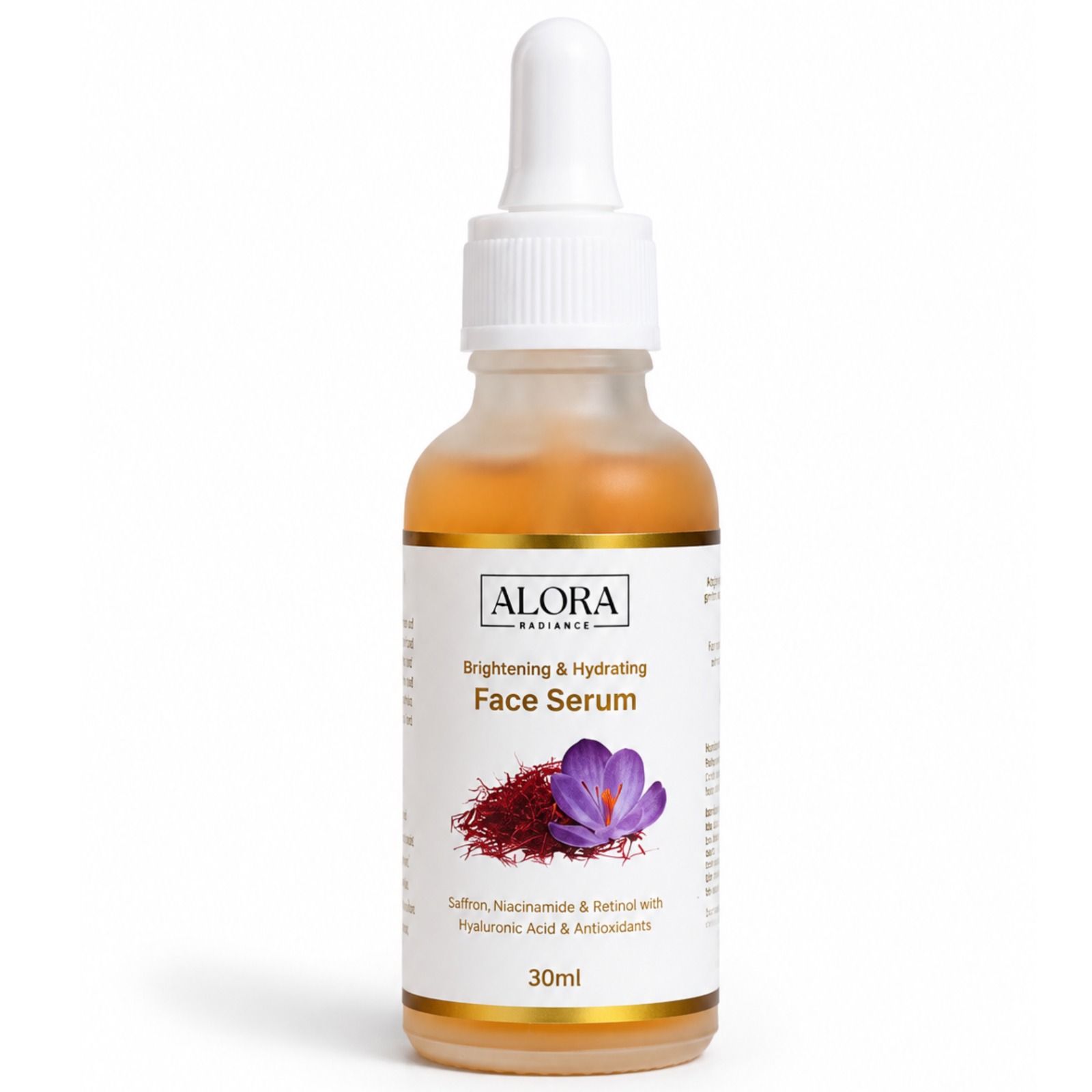
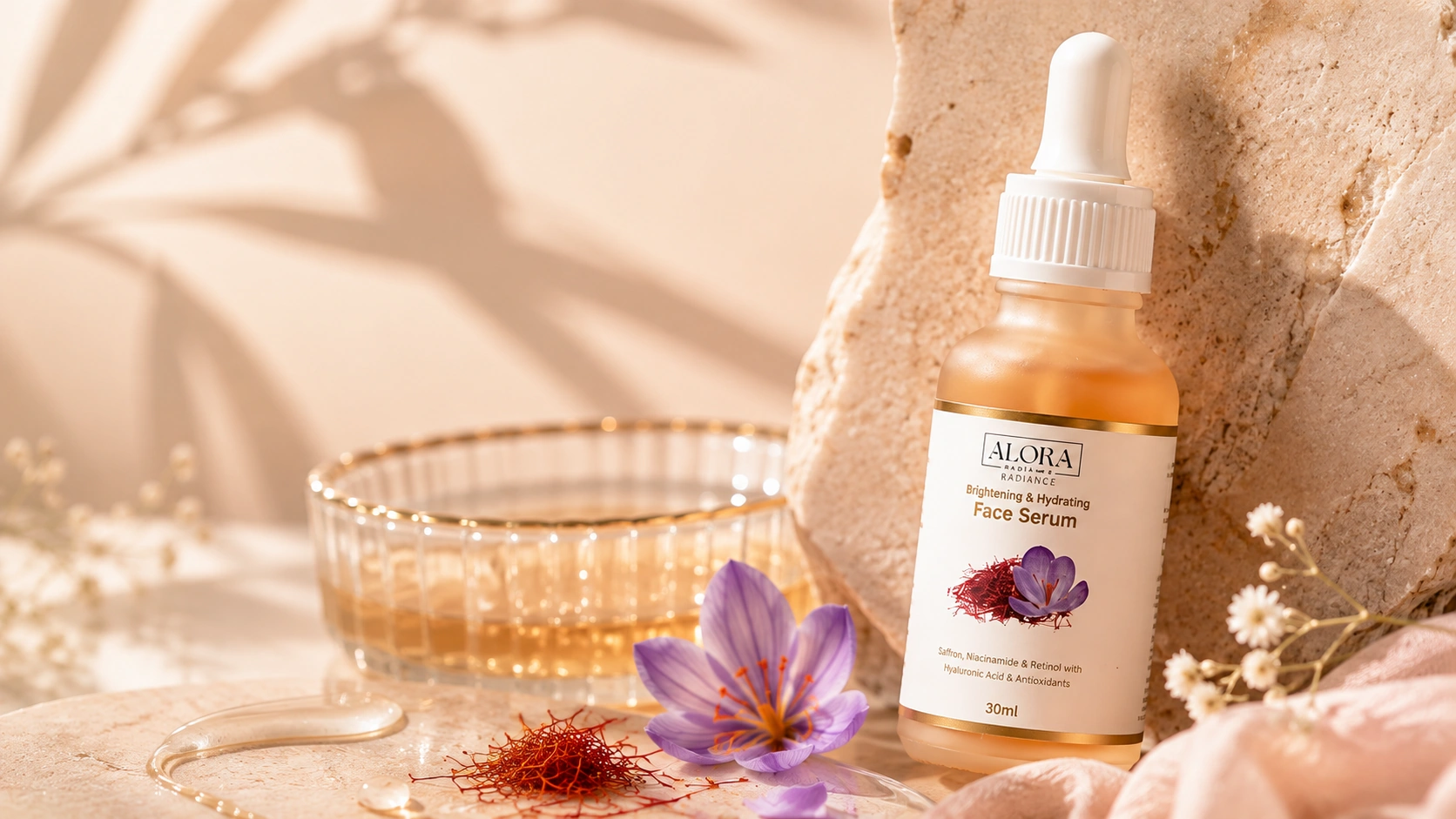
Ready to add a face serum to your routine? Explore Alora Radiance's face serum formulated with skin-loving activities to help you get that glow, the right way.
Frequently Asked Questions
1.Is it good to use face serum every day?
Yes, for most serums. Hydrating serums like hyaluronic acid and niacinamide are safe for daily use, morning and night. Retinol is the exception. Start with two to three times a week and build up slowly, since daily use right away can irritate skin.
2.Do face serums actually work?
Yes, when they contain the right active ingredients at effective concentrations. Serums deliver ingredients like hyaluronic acid, niacinamide, and retinol deeper into the skin than a moisturizer can, which is why they're effective for hydration, brightening, and anti-aging when used consistently.
3.What is a face serum used for?
A face serum is used to treat specific skin concerns: hydration, dullness, dark spots, fine lines, or uneven texture. It's a lightweight, concentrated treatment step, not a replacement for moisturizer, applied after cleansing and before moisturizing.
4.Can serum make your skin glow?
Yes. Ingredients like vitamin C and niacinamide brighten skin tone and fade dullness, while hyaluronic acid adds plumpness and hydration. Together, these effects create the "glow" people notice with consistent serum use over a few weeks.
5.How long should I leave a serum on my face?
You don't need to wait long. 30 to 60 seconds is usually enough for a serum to absorb before applying moisturizer. Fully water-based serums absorb almost instantly; thicker or oil-based serums may take a minute or two.
6.What is the correct way of applying serum?
Apply 2–3 drops to clean, slightly damp skin. Gently press or pat it in rather than rubbing this helps absorption without pulling at the skin. Apply after cleansing and before moisturizer, always working from the center of the face outward.
7.Does face serum help with acne scars?
Yes. Niacinamide and retinol are both effective for fading acne scars over time, since they support cell turnover and even out skin tone. Results typically take several weeks of consistent use to become visible.
8.Which ingredient is best for hydration in a face serum?
Hyaluronic acid is the best ingredient for hydration. It holds up to 1,000 times its weight in water, drawing moisture into the skin and keeping it there, which makes it suitable for nearly every skin type.
9.Is niacinamide or retinol better for anti-aging?
Retinol is more effective for anti-aging concerns like fine lines and loss of firmness, since it speeds up cell turnover and boosts collagen. Niacinamide works more on tone and barrier strength gentler, but slower to address wrinkles.
10.Which serum ingredient is best for dark spots?
Vitamin C and niacinamide are both effective for dark spots. Vitamin C works faster on pigmentation, while niacinamide is gentler and better tolerated by sensitive skin needing a slower approach.