Not every ingredient in your serum earns its place. Some do all the work. Most do none.
The best face serum ingredients are saffron, niacinamide, retinol, hyaluronic acid, and antioxidants, backed by research, not marketing claims. Everything else on the label is largely there to sound impressive.
This guide breaks down what each ingredient does, what saffron does for skin, how niacinamide works, why retinol remains a dermatologist favorite, and how these activities perform even better when used together.
What Are Face Serum Ingredients That Actually Work?
What makes a serum ingredient actually work? Concentration and formulation not the length of the label. A serum can list twenty ingredients and still underperform one with five, if those five are dosed correctly and paired well.
Best Ingredients in Face Serum
- Saffron: Brightens skin tone and calms redness, thanks to its antioxidant compounds.
- Niacinamide: Fades dark spots and strengthens the skin barrier, gentle enough for daily use.
- Retinol: Speeds up cell turnover, smooths fine lines, and improves texture over time.
- Hyaluronic Acid: Draws moisture into the skin, holding up to 1,000 times its weight in water.
- Antioxidants: Protect skin from daily damage caused by pollution and sun exposure.
A serum built around these five ingredients covers hydration, brightening, and anti-aging in one formula, without needing five separate products to get there.
What Does Saffron Do for Skin?
It brightens tone, calms redness, and fights the free radical damage that leads to dull, tired-looking skin. It's one of the few natural ingredients with actual research behind it, not just tradition.
Saffron for Skin: Brightening & Antioxidant Benefits
Saffron has been used in skincare for centuries, but it's not just an old remedy it's backed by real antioxidant compounds like crocin and safranal. These compounds neutralize free radicals, the molecules responsible for dull skin and early signs of aging. On top of that, saffron helps even out skin tone and fade the look of dark spots, working in a similar lane to niacinamide but through a different mechanism. Skin tends to look brighter and more awake with consistent use, not just hydrated.
Is Saffron Safe for All Skin Types?
Generally, yes. Saffron is considered gentle, even for sensitive skin, since it doesn't contain the harsh acids or exfoliants that commonly cause irritation. That said, anyone with a known allergy to saffron or related plants should patch-test first, just to be safe. Beyond that, it's one of the more universally tolerated actives in this ingredient list dry, oily, combination, or sensitive skin can typically use it without issue.
Benefits
- Increases the natural brightness of the skin.
- Packed with antioxidants.
- Revitalizes skin that appears dull.
- Promotes a complexion that appears even.
- Enhances contemporary active skincare products.
Niacinamide Serum Benefits Explained
Niacinamide does a lot for one ingredient. Brightens skin. Fades dark spots. Back up your skin barrier. And it does all this without the irritation you'd expect from something this active.
How Niacinamide Brightens Skin & Repairs the Barrier
Niacinamide slows down how pigment moves to your skin cells. Less pigment transfer means fewer dark spots, more even tone, over time not overnight, but it works. It also pushes your skin to make more ceramides, which are basically the fats holding your barrier together. Stronger barrier, better moisture retention, less reacting to random weather or pollution. Give it a few weeks and skin usually looks noticeably smoother.
Is Niacinamide Good for Sensitive or Acne-Prone Skin?
Yes actually, it's one of the safer bets out there. Doesn't strip skin like some acids do. Calms redness instead of causing it. And for acne-prone skin, it helps keep oil production in check, which often means fewer breakouts down the line. If you're new to actives and nervous about irritation, this is usually where dermatologists say to start.
Benefits
- Makes skin more radiant.
- Enhances the skin's barrier.
- Helps make dark patches less noticeable.
- Regulates surplus oil.
- Enhances the texture of the skin.
Benefits of Niacinamide and Retinol Together
Can niacinamide and retinol work together? Yes, and honestly, they're one of the better combos in skincare. Niacinamide calms things down while retinol does the heavier work, fewer side effects, better results, when you pair them right.
Can You Use Niacinamide and Retinol in the Same Routine?
Definitely. This isn't one of those combos that cancels itself out. Retinol speeds up cell turnover and smooths fine lines, but it can leave skin dry or irritated, especially early on. That's where niacinamide comes in; it soothes redness and helps rebuild the skin barrier, which basically offsets retinol's rough edges. Used together, you get retinol's anti-aging benefits without as much of the downside. A lot of dermatologists actually recommend this exact pairing for people who want visible results without their skin freaking out.
How to Layer Them Without Irritation
Order matters here. Cleanse first, apply niacinamide, let it sink in for a few minutes, then follow with retinol. Giving niacinamide time to settle first helps buffer some of retinol's intensity. Start slow, though two or three nights a week is plenty when you're beginning. And don't skip moisturizer after; it helps lock things in and keeps skin from drying out. One more thing, non-negotiable: SPF the next morning, always, since retinol makes skin more sensitive to sun.
Role of Hyaluronic Acid in a Face Serum
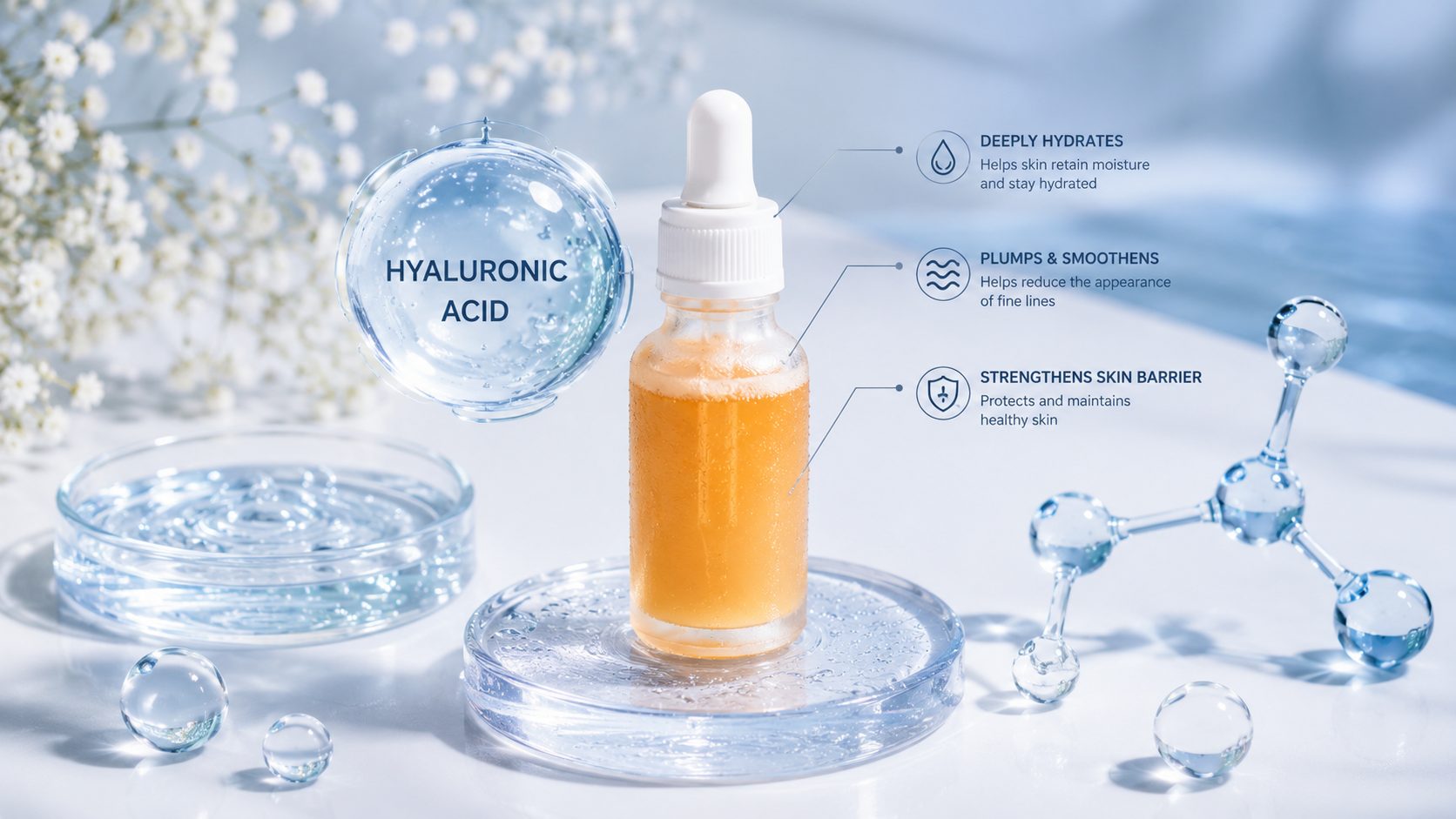
What does hyaluronic acid actually do? Hydrates, mostly — and it's really good at it. It grabs water and holds onto it, something like 1,000 times its own weight, so skin looks plumper almost right after you put it on.
Why Hyaluronic Acid Pairs Well with Active Ingredients
It's not really competing with the other ingredients in your serum, it's more like backup. Retinol, niacinamide, whatever else they all work better when skin isn't dry or freaking out. And that's kind of hyaluronic acid's whole job, keeping skin hydrated while the stronger stuff does its thing. Fewer side effects, better results, less irritation overall. That's probably why it ends up in so many serums alongside retinol or vitamin C instead of getting sold on its own.
Hydration Support for Sensitive or Dry Skin
If your skin's dry or gets irritated easily, this is usually a safe place to start. No acids, no exfoliating, nothing that's going to leave you red or peeling. For dry skin, it's basically replacing moisture you've already lost instead of just sitting there doing nothing. Sensitive skin tends to handle it fine too there's not much in it that would set anything off.
Benefits
- Intense hydration.
- Softer skin.
- Enhanced flexibility.
- Less noticeable fine lines.
- Helps maintain a healthy skin barrier.
Why Antioxidants Matter in Face Serum Ingredients
Why do antioxidants matter in a serum? They protect skin from damage before it happens, instead of fixing it after. Pollution, sun exposure, even stress all of it creates free radicals, and antioxidants are what neutralize them.
How Antioxidants Protect Skin from Daily Damage
Free radicals sound abstract, but the effect isn't they're a big part of why skin looks dull, tired, or ages faster than it should. Every day, just walking outside or sitting near a screen, skin picks up some of this damage. Antioxidants step in and neutralize those free radicals before they break down collagen or trigger inflammation. Vitamin C, saffron, green tea extract are the usual suspects, and they're basically doing quiet, preventive work in the background while your other actives handle the visible stuff.
Antioxidants vs. Actives- Do You Need Both?
Yeah, honestly, you do. Actives like retinol or niacinamide treat what's already showing up dark spots, fine lines, texture. Antioxidants work differently, they're stopping new damage from building up in the first place. One without the other leaves a gap. Actives alone means skin keeps taking hits from the environment. Antioxidants alone means you're not really addressing what's already there. Together, they cover both ends.
Conclusion
At the end of the day, it's not about the brand on the bottle or how nice the packaging looks. It's what's actually inside. Saffron, niacinamide, retinol, hyaluronic acid, and antioxidants are the ingredients doing the real work, backed by research instead of marketing claims. Learn to read a label, know what each ingredient does, and you'll pick a better serum every time, no matter what's written on the front.
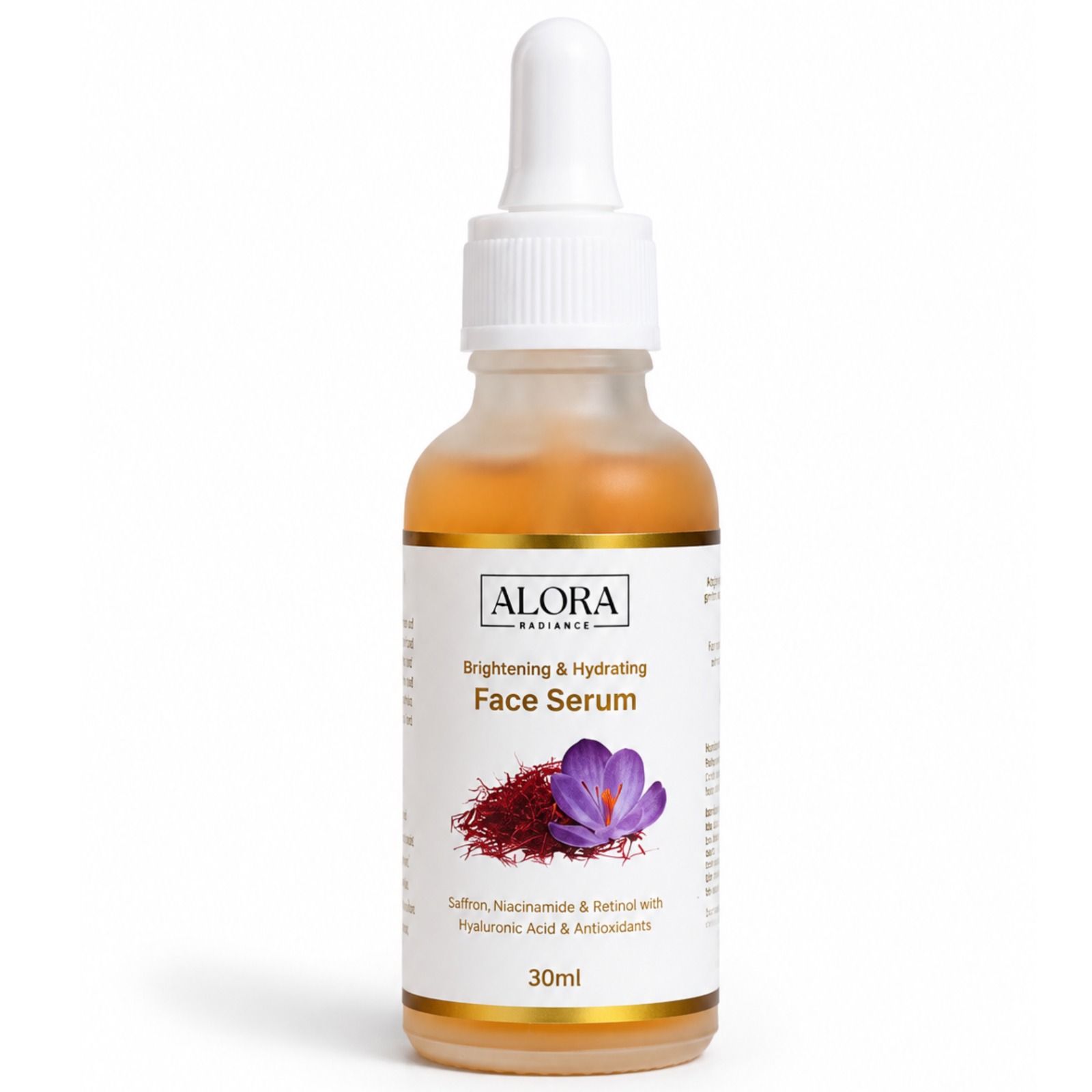
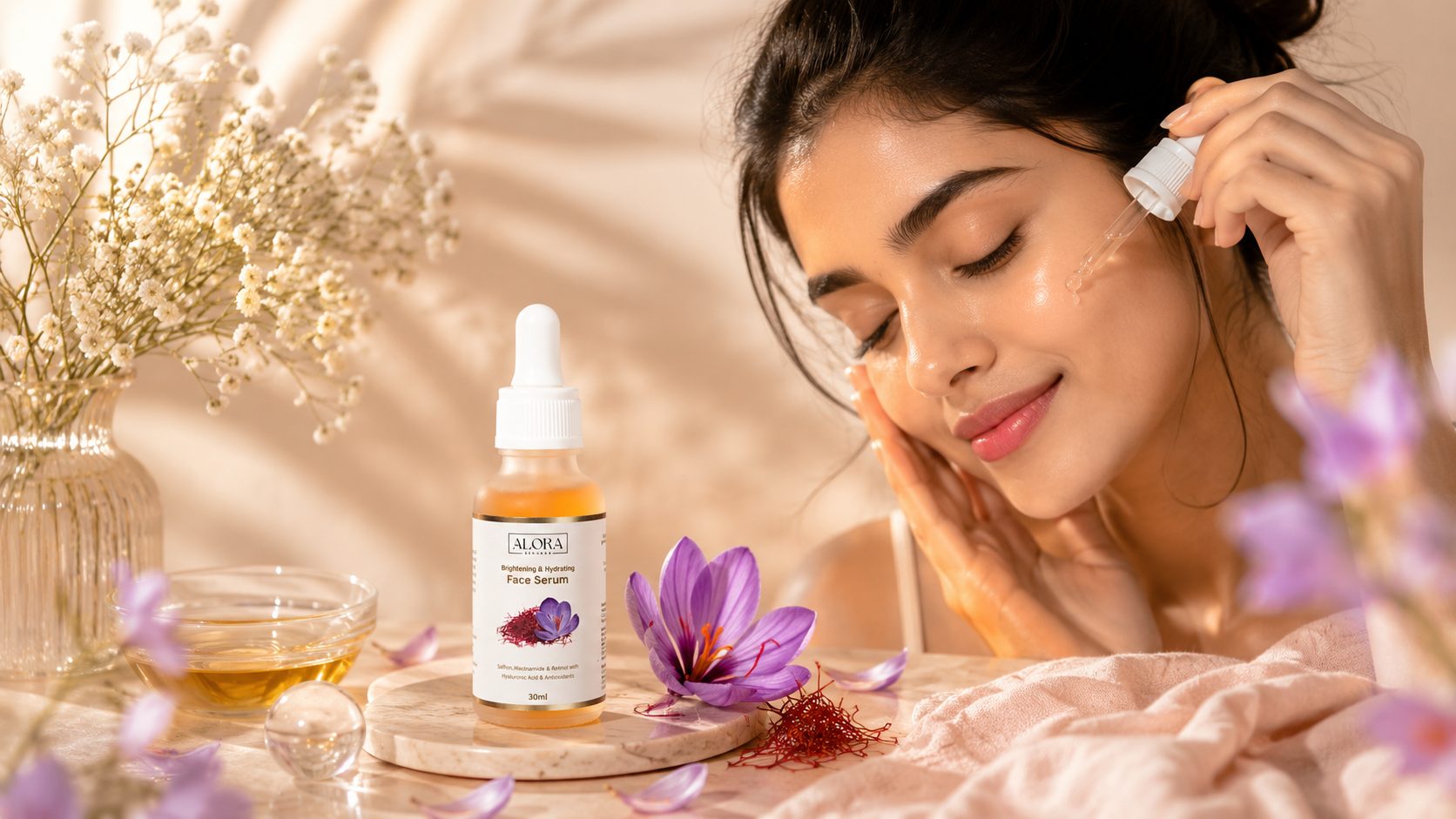
Looking for a serum that brings these ingredients together in one formula? Explore Alora Radiance's Brightening & Hydrating Face Serum made with saffron, niacinamide, retinol, and hyaluronic acid to help your skin actually show it.
Frequently Asked Questions
1.Is it okay to use niacinamide serum every day?
Yes, niacinamide is safe and effective for daily use, both morning and night. It's one of the gentlest active ingredients in skincare, well-tolerated by nearly every skin type, including sensitive and acne-prone skin, with no downtime or buildup tolerance needed.
2.Which is better, hyaluronic acid or niacinamide?
They both do different jobs. Hyaluronic acid hydrates by drawing moisture into the skin, while niacinamide brightens tone and strengthens the skin barrier. Most effective routines use both together rather than choosing one over the other.
3.Does saffron make skin brighten?
Yes, saffron helps skin look brighter and more radiant. Its antioxidant compounds, crocin and safranal, even out skin tone and reduce dullness caused by free radical damage, giving skin a more awake, glowing appearance with consistent use.
4.Can I use saffron on my face daily?
Yes, saffron is gentle enough for daily use on most skin types, including sensitive skin. It doesn't contain harsh acids or exfoliants, so it can be applied every day without the irritation risk that comes with stronger actives like retinol.
5. What is the difference between niacinamide and retinol?
Niacinamide brightens skin tone and repairs the skin barrier, while retinol speeds up cell turnover to smooth fine lines and improve texture. Niacinamide works gently and can be used daily; retinol works more intensely and needs gradual introduction.
6. Which antioxidant is best for skin brightening?
Vitamin C and saffron are both effective for brightening. Vitamin C works faster on pigmentation and dark spots, while saffron offers a gentler, more gradual brightening effect that's better suited to sensitive skin.
7. Is hyaluronic acid good for oily skin?
Yes, hyaluronic acid is lightweight and non-comedogenic, meaning it hydrates without clogging pores or adding excess oil. It's actually recommended for oily skin, since dehydration often causes oily skin to overproduce oil in the first place.
8. How long does it take for retinol to work?
Most people see visible results after 8 to 12 weeks of consistent use. Retinol works gradually because it relies on skin cell turnover, and some initial dryness or peeling is common before improvement becomes visible.
9. What does retinol do for skin?
Retinol speeds up cell turnover, smooths fine lines, and improves overall skin texture. It's one of the most researched anti-aging ingredients and is also effective at fading acne scars and dark spots over time.
10. Which acid is best for dry, oily, and combination skin?
Dry skin does best with hyaluronic acid, which hydrates without stripping natural oils. Oily skin benefits most from salicylic acid, which unclogs pores and controls excess oil. Combination skin typically needs both hyaluronic acid on drier areas and a milder exfoliating acid on the oilier T-zone.