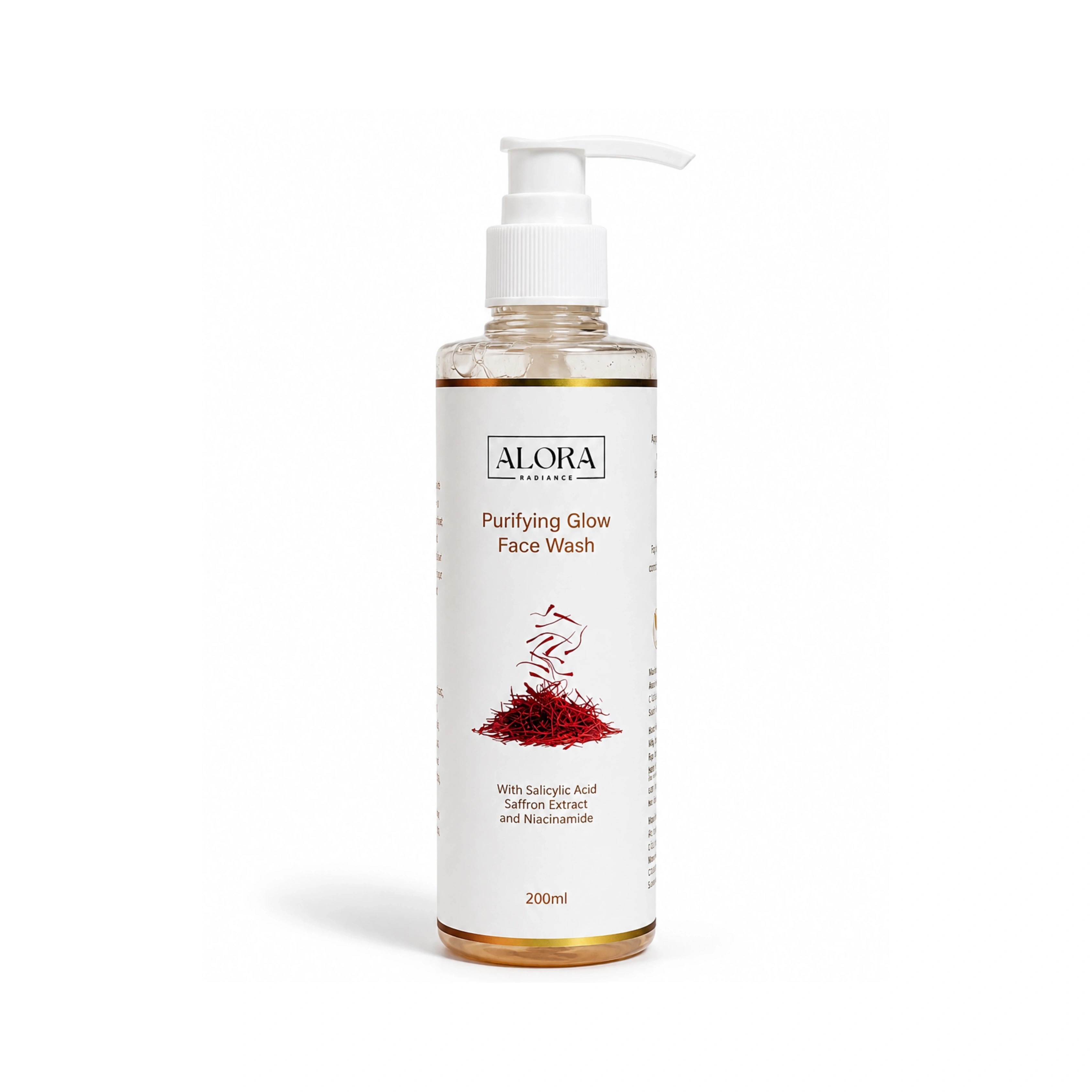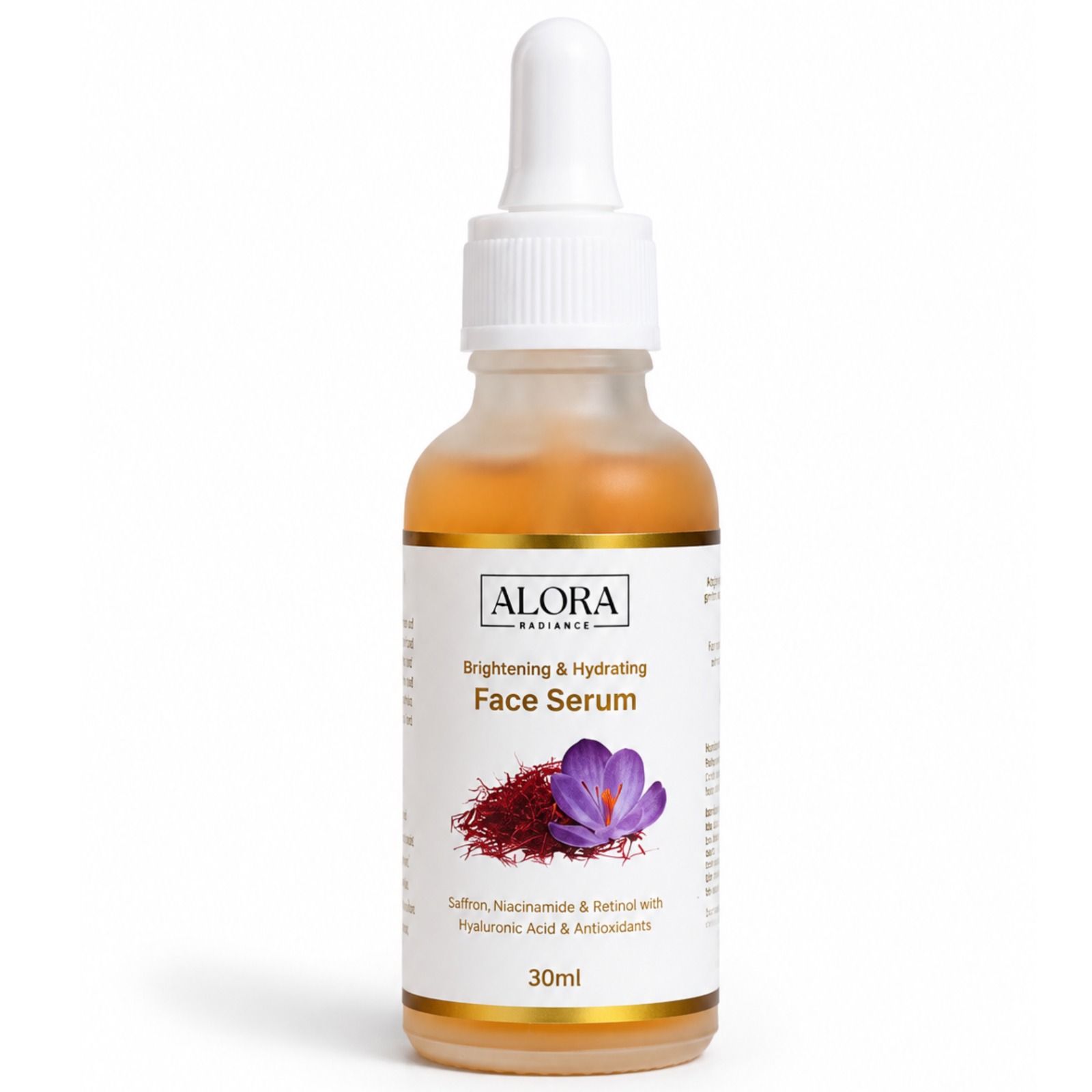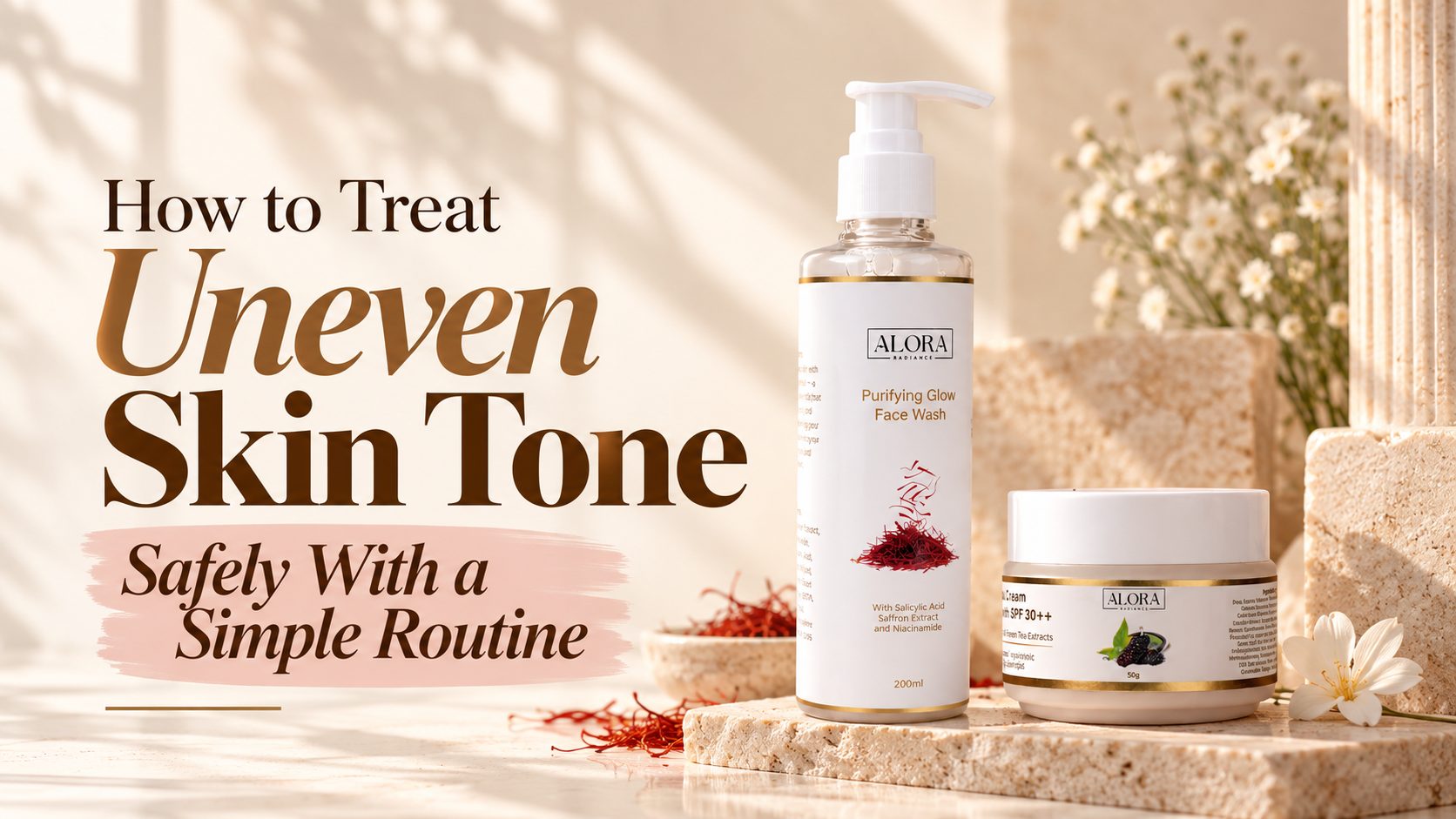
Ever looked in the mirror and seen dark patches, leftover acne marks or redness that makes your skin look blotchy, even on a good skin day? Uneven skin tone is one of the most common skin complaints and it’s also one of the easiest things to make worse by trying to fix too fast.Harsh scrubs, harsh acids and a ton of new products often irritate the skin and make the discoloration worse. A more relaxed approach works better. In this guide, we talk about what causes uneven skin tone, what ingredients help, and how to create a simple routine that fades it safely.
What Is Uneven Skin Tone?
Uneven skin tone is when some parts of your face are darker, lighter or redder than others. It’s rarely one thing, which is why knowing uneven skin tone causes makes it easier to pick the right fix.
Dark Spots, Redness, and Blotchiness Explained
- Uneven tanning can leave some areas darker than others, particularly where sunscreen hasn’t been applied or has been applied unevenly
- Rough, bumpy texture can cause skin tone to appear patchy as light will reflect off the uneven surfaces differently
Hyperpigmentation vs. Redness vs. Dullness
These can look alike, but they need different care.
- Melasma is larger, symmetrical brown patches, often on the cheeks, forehead or upper lip and usually requires sun protection and patience
- When a pimple heals, you’re often left with flat pink or red spots called post-acne marks. Those marks usually fade as your skin repairs—and stays out of the sun.
Matching the problem to the product is the heart of how to treat uneven skin tone safely. It also shapes your skincare routine for uneven skin tone and the best ingredients for uneven skin tone you’ll choose later.
Why It’s Common and Usually Harmless
Almost everyone gets some unevenness from sun, breakouts, or aging. It’s rarely a health concern, and most cases improve with daily sunscreen, patience, and a gentle uneven skin tone treatment plan.
The exception is a spot that changes shape, bleeds, or looks unusual. Have a dermatologist check it.
Causes of Uneven Skin Tone
Causes of uneven skin tone differ from one person to another and most often, there are multiple factors involved. Identifying these factors can help you select the proper uneven skin tone treatment method instead of taking a guess.
Sun Exposure and UV Damage
Sun exposure is the biggest trigger. UV rays tell your skin to make extra melanin, the pigment that gives skin its color. Over time, that shows up as patchy spots and a darker, blotchier look.
- Sun spots occur on those areas which receive maximum sunlight such as the cheeks, nose, and forehead.
- Existing marks darken when you skip sunscreen
- Cloudy days count, since UV still gets through
Acne Marks and Post-Inflammatory Hyperpigmentation
If you have had a pimple, then it will leave you with a flat and dark spot that is known as post inflammatory hyperpigmentation after it is healed.
- Picking or squeezing makes the mark darker and last longer
- Irritation from harsh products can leave marks of its own
- Deeper skin tones tend to be more prone to these marks
These marks fade, but slowly, usually over several months.
Hormones, Aging, and Genetics
Some causes are harder to control, but you can still manage them.
- Changes in hormones because of pregnancy, contraceptives, or any other reasons may lead to melasma in the form of large brown patches
- As the cells age, the renewal process slows down, and thus dull and uneven skin persists for longer periods
- Genetics influence your body’s ability to produce pigmentation in the skin
Because these causes are built in, gentle consistency matters more than strong products.
How to Treat Uneven Skin Tone Safely
Uneven skin tone fades best with a slow, steady approach. Knowing how to treat uneven skin tone safely means protecting your skin first and adding treatments gradually, instead of reaching for the strongest product on the shelf.
Start With Sunscreen and a Gentle Routine
Sunscreen is the most important step. Without it, new spots keep forming and old ones keep darkening, so every other product works against the sun.
- Even on overcast days, wear broad-spectrum sunscreen with an SPF of 30 or higher every morning.
- Reapply if you’re outdoors for long stretches
A healthy barrier handles treatments better and is less likely to flare up with redness or new marks.
Introduce One Active at a Time and Patch Test
Once your basics feel comfortable, add one active, such as vitamin C, niacinamide, or azelaic acid.
- Patch test first. Apply a small amount behind your ear or along your jawline for a day or two
- Start slowly, using it a few times a week before moving to daily
- Wait 2 to 4 weeks before adding a second product
Adding several actives at once makes it hard to tell what’s working and what’s causing irritation. Irritation can also trigger more pigmentation.
Be Patient: Why Results Take 8 to 12 Weeks
Pigment fades only as old skin cells are replaced with new ones. That cycle takes weeks, which is why quick fixes rarely hold.
- Weeks 1 to 4: your skin adjusts, and changes are subtle
- Weeks 4 to 8: tone starts to look brighter and more even
- Weeks 8 to 12: dark spots visibly fade
Deeper or older marks, especially those tied to hormones, can take longer. Take a photo in the same light every few weeks, since daily changes are hard to see.
Best Ingredients for Uneven Skin Tone
The best ingredients for uneven skin tone work in different ways. Some brighten, some fade existing marks, and some help your skin shed pigmented cells faster.
Brightening Ingredients
These are the easiest place to start, since most people tolerate them well.
- Skin is brightened and shielded from daily harm by vitamin C. It functions best under sunscreen in the morning..
- Niacinamide calms redness, supports your barrier, and helps even out blotchy tone.
- Alpha arbutin slows pigment production and gently fades dark spots.
Gentle Fading Ingredients
These target stubborn marks without being harsh.
- Licorice root extract is a mild brightener that also calms irritation, so it suits sensitive skin or anyone who reacts easily to stronger actives
- Kojic acid helps fade dark spots by slowing pigment production, but it can be irritating for some people, so patch test first and start with a low concentration
Cell Turnover Ingredients
These help your skin replace pigmented cells with fresh ones.
- They hasten skin cell turnover and gradually eliminate dark patches. Begin on a weak dosage for 2 or 3 days per week.
- Weak exfoliates such as lactic or mandelic acid remove dullness from the skin without causing much harm.
These work well, but they’re also the most likely to cause dryness and redness, so introduce them last. You don’t need all of these. Pick one or two that suit your skin.
Uneven Skin Tone Treatment Options
The right uneven skin tone treatment depends on how deep the pigment sits and what’s behind it. Mild marks often fade with home care, while older or deeper discoloration may need extra help.
At-Home Treatments
Most people should start here. These options are affordable and easy to fit into your routine.
- Serums containing vitamin C, niacinamide, or alpha-arbutin
- Creams containing azelaic acid or tranexamic acid
- Brightening masks are a gentle once-a-week boost for dull skin, as long as you skip them on days you’re already using a stronger active
Professional Treatments
If home care stalls after a few months, in-office options can speed things up.
- Chemical peels use stronger acids to lift pigmented layers
- Microneedling encourages new skin growth and helps with texture and marks
Different results may be obtained, but there is also a possibility that a certain treatment will cause your skin to become darker. Find someone with experience in treating your skin type
Prescription Options and When to See a Dermatologist
The dermatologist can prescribe stronger creams like higher strength retinoids and hydroquinone and identify the cause that cannot be treated by any over-the-counter medication.
Book an appointment if:
- Nothing improves after about three months
- A spot changes shape, color, or size, or bleeds
- Patches appear suddenly or spread quickly
Skincare Routine for Uneven Skin Tone
An ideal skincare regime for irregular skin tone is brief and regular. You do not require many different types of products. All you need is just a couple of products that work towards protecting and treating your skin.
Simple Morning Routine
Mornings are about protection.
- Hydrating serum or toner (optional) adds a light layer of moisture before your moisturizer, which helps dry or tight skin handle brightening products more comfortably
- A few minutes between steps gives each product time to absorb, so your serum works properly and your sunscreen sits evenly on top
Simple Evening Routine
Evenings are for treatment and repair.
- Gentle cleanser to remove sunscreen and the day’s buildup
- One treatment product, such as azelaic acid, alpha arbutin, or a low-strength retinoid
- Moisturizer to calm skin and support recovery
Use stronger actives only a few nights a week at first. On other nights, stick to cleanser and moisturizer.
How to Build the Routine Slowly Over 4 to 8 Weeks
- Weeks 1 through 2: use just the cleanser, moisturizer, and sunscreen
- Weeks 3 through 4: introduce an active once or twice per week, depending on your skin's reaction after the patch test
- Weeks 5 through 6: use the actives every other day if your skin allows for that
- Weeks 7 through 8: only if necessary, introduce a second active product
If your skin feels tight, stings, or turns red, scale back for a few days.
Mistakes That Make Uneven Skin Tone Worse
However, even a well-thought plan may fail. Below are common pitfalls that prevent you from addressing the issue of uneven skin tone effectively.
Skipping SPF and Over-Exfoliating
- Putting on less than enough sunscreen or just applying it once makes sure that your protection fades away by noon, so your skin will be exposed to sunlight and discoloration
- Not covering the neck area, ears, and hairline will leave marks that will show the difference between the shade of your face and the other parts of your body
- Applying active products without moisturizing leaves you with no skin barrier, which increases the risk of developing new discolorations
Using Too Many Actives at Once
- Using strong acids and scrubs on the same night can wear down your skin barrier, which leaves skin red, dry, and more prone to dark marks
- Mixing retinoids, acids, and vitamin C in one routine raises the risk of dryness and redness
- Changing products every week makes it impossible to know what’s helping
Picking at Skin and Expecting Overnight Results
- Skipping patch tests can lead to a surprise reaction, and the redness or marks that follow can set your progress back by weeks
- Switching products too often makes it impossible to tell what’s working, so you never give any one product enough time
- Using DIY remedies like lemon juice or baking soda can burn the skin and leave darker marks than the ones you started with
Frequently Asked Answer
1. What causes uneven skin tone?
The most common causes of uneven skin tone are sun exposure, leftover marks from acne or irritation, hormonal changes like pregnancy or birth control, aging, and genetics. Most people have more than one cause at play, which is why a gentle, consistent approach works better than a single strong product.
2. How do you treat uneven skin tone safely?
Start with daily broad-spectrum sunscreen and a gentle cleanser and moisturizer. Once your skin feels comfortable, add one brightening active at a time, such as vitamin C, niacinamide, or azelaic acid, and patch test it first. Adding products slowly keeps irritation low, which matters because irritation can cause new dark marks.
3. How long does it take to fix uneven skin tone?
Most people start to see changes after 4 to 8 weeks, and visible fading of dark spots usually takes 8 to 12 weeks. Deeper or older marks, especially those linked to hormones, can take longer. Taking a photo in the same light every few weeks makes progress easier to see.
4. What are the best ingredients for uneven skin tone?
Vitamin C, niacinamide, and alpha arbutin brighten skin and fade dark spots gently. Azelaic acid and tranexamic acid are useful for stubborn marks, and retinoids and mild exfoliants like lactic or mandelic acid help skin shed pigmented cells faster. You don’t need all of them, so pick one or two that your skin tolerates.
5. What is a simple skincare routine for uneven skin tone?
In the morning, use a gentle cleanser, a vitamin C or niacinamide serum, a moisturizer, and SPF 30 or higher. In the evening, use a gentle cleanser, one treatment product such as azelaic acid or a low-strength retinoid, and a moisturizer. Build the routine over 4 to 8 weeks instead of starting everything at once.
6. Does sunscreen help with uneven skin tone?
Yes, and it’s the most important step. UV exposure triggers extra pigment and darkens existing spots, so without sunscreen, every other product is working against the sun. Use broad-spectrum SPF 30 or higher every morning, including cloudy days, and reapply if you’re outdoors for long stretches.
7. Can you use vitamin C and retinol together for uneven skin tone?
You can, but using both at once can cause dryness and redness, especially if you’re new to them. A safer approach is vitamin C in the morning and a low-strength retinoid at night, started slowly and only a few nights a week. If your skin gets irritated, drop back to one active.
8. What mistakes make uneven skin tone worse?
The most common mistakes are skipping sunscreen, over-exfoliating, using too many actives at once, picking at pimples, and quitting before the 8 to 12 weeks most treatments need. Harsh DIY remedies like lemon juice can also burn the skin and leave darker marks behind.
9. What is the best uneven skin tone treatment for dark spots?
For mild dark spots, serums and creams with vitamin C, niacinamide, alpha arbutin, or azelaic acid are good starting points. If home care stalls after about three months, a dermatologist can suggest chemical peels, microneedling, laser treatments, or prescription creams like hydroquinone or higher-strength retinoids.
10. When should you see a dermatologist for uneven skin tone?
See a dermatologist if nothing improves after about three months, if patches appear suddenly or spread quickly, or if a spot changes shape, color, or size, or bleeds. A professional can also check whether something like melasma or another skin condition is behind the discoloration.