Tell me, have you ever walked out on a humid day only to see your face transform into an oil slick in a matter of minutes? You're not imagining it. With soaring humidity, your oily skin sweats more and provides an ideal environment for acne, makeup slides off like pudding on a tilting plate, and whiteheads and blackheads clog the pores faster than usual. And that is why you always get breakouts when the weather suddenly gets sticky.
The suitable skin care for a wet climate isn't always betting on extra things. Its all about using lighter textures, intelligent ingredients and staying on a routine that manages oil levels without irritating your skin.
This guide will cover how humidity can impact your skin, what morning and evening routines work best for you, which ingredients to seek out and avoid, plus easy habits to cure sweat-induced breakouts once and for all!
How humid weather affects your skin
Humid air changes how your skin behaves, and a good humid weather skincare routine starts with knowing what's going on. Here's what happens.
Why humidity increases oil and sweat production
Your sweat glands are activated by heat to cool you down. Sweat lingers on your skin and leaves it moist and sticky because it dries up slowly in humid weather.
How sweat and excess oil lead to clogged pores
Over time, dead skin cells, sunscreen, dirt and pollution mix with sweat and sebum to create a recipe that heads into the pores. The germs on your skin might start to grow in a clogged pipe. This is the result of inflammation which is red pimples, blackheads, and whiteheads.
According to him, tight clothes, helmets, and masks cause friction which can hold moisture against the skin thereby increasing clogging probability.
The best morning skincare routine for humid weather
If you're wondering how to prevent oily skin in humidity, the morning routine matters most. Three steps are enough: cleanse, moisturize, and protect. Keep every product light so nothing sits heavy on damp skin.
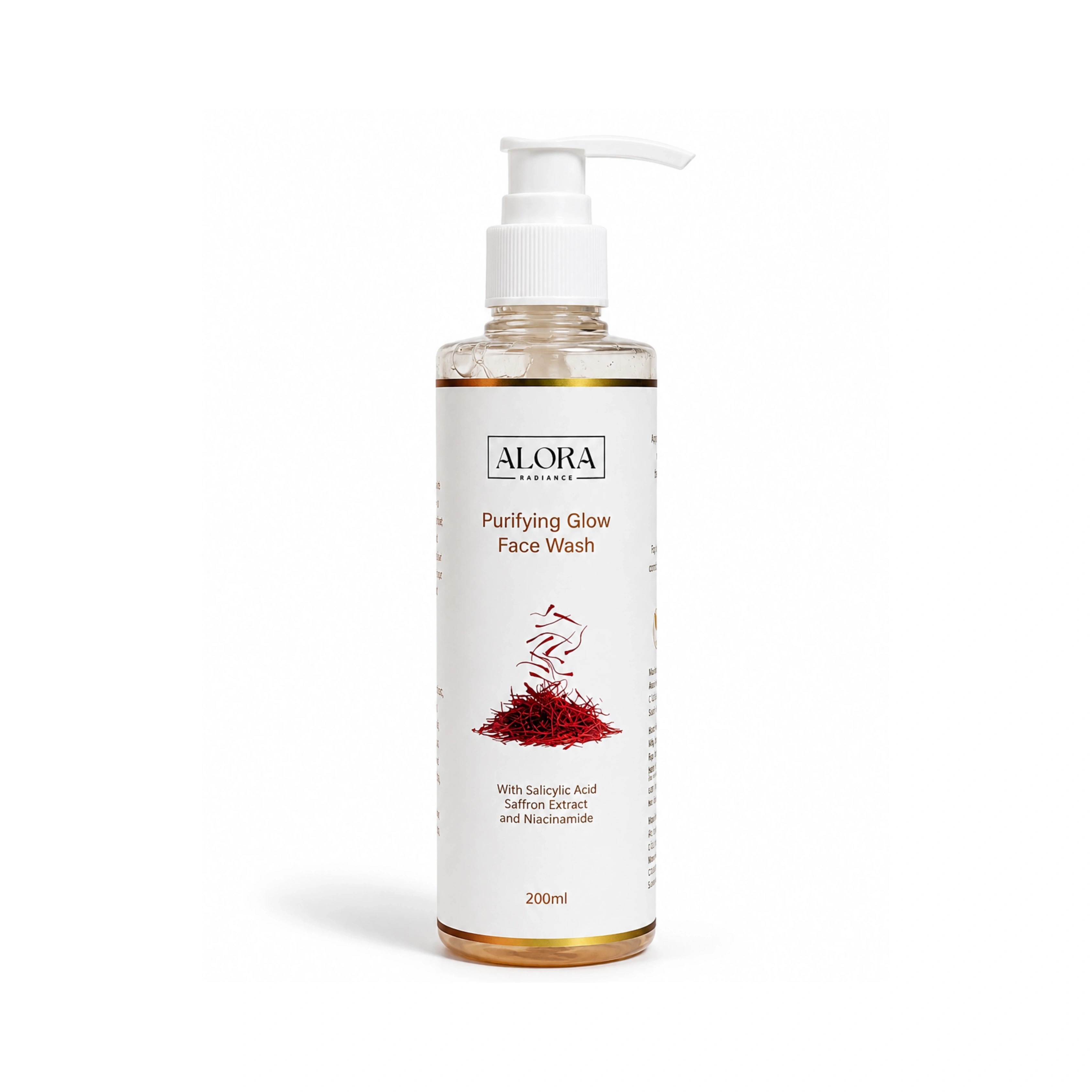
Start with a gentle, gel-based cleanser
Your skin gathers oil and perspiration over the nite, so washing it in the morning helps cleanse it. To remove grease from the pores, use a foamy gel cleanser or one that contains salicylic acid.
- Use lukewarm water to wash for 30 to 60 seconds.
- Rather than rubbing, pat dry with a fresh towel.
- Don't wash your face more than twice a day, plus once after perspiring a lot.
The skin barrier is stripped away by washing more frequently than that, and dry, tight skin may react by producing more oil.
Use a lightweight, water-based moisturizer
For people with oily skin, forgetting to use moisturizer is a typical error. In order to compensate for the water loss, dry skin might create more sebum, making you seem more radiant by midday.
Seek for textures that soak rapidly:
- Gel moisturizers
- Gel-cream recipes
- Water-based lotions containing glycerin or hyaluronic acid
The evening routine to reset oily, sweaty ski
By night, your face has collected a full day of sweat, sebum, sunscreen, and pollution. A short evening routine clears that buildup and repairs the skin without weighing it down.
Double cleanse to remove sweat, sunscreen and grime
Water-resistant sunscreen and oily buildup don't come off with one wash. Cleanse in two rounds:
- First cleanse: Use micellar water or a light cleansing oil to dissolve sunscreen, makeup, and surface oil.
- Second cleanse: Follow with a water-based gel cleanser to rinse away sweat and leftover residue.
Skip harsh scrubs. They irritate skin that is already inflamed from heat.
Treat breakouts and excess oil with the right actives
Once your face is clean and dry, apply one active at a time:
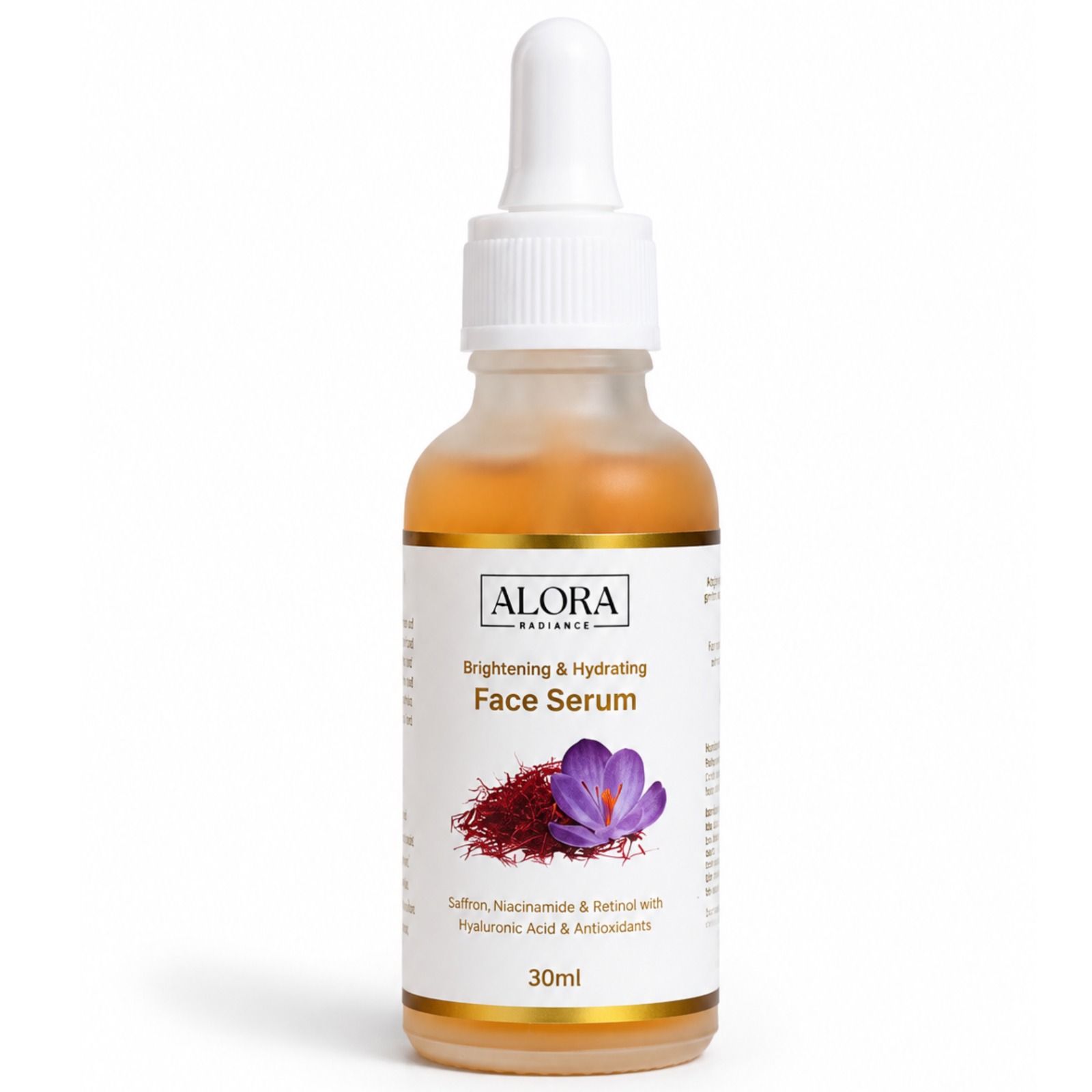
- Niacinamide: helps regulate oil and can make pores look smaller. It suits most skin types.
- Salicylic acid: works inside the pore to clear clogs and helps prevent blackheads and whiteheads.
- Benzoyl peroxide: targets acne-causing bacteria. Use it as a spot treatment or in a low-strength formula, since it can dry the skin.
Patch test any new activity on a small area, such as your jawline or behind your ear, and wait 24 hours before using it on your whole face. Introduce products one at a time so you can tell which one is causing a reaction.
Hydrate without heaviness
Oily pores and skin wants water, too, at night. This one adds hydration with a matter effect, as it has hyaluronic acid. Lock it in with a lightweight gel moisturizer.
The ideal moisturizer for application in humid climates is one that absorbs quickly with no film-forming action. Seek non-comedogenic gel or gel-cream textures, and skip thick night creams and heavy oils.
Common skincare mistakes in humid weather
Knowing how to stop acne in summer humidity is partly about what you leave out. These three habits are common, and each one can make oil and breakouts worse.
Skipping moisturizer because skin feels oily
- Just because the skin is shiny doesn't mean it is healthy hydrated skin. However, when you are dehydrated, the skin can produce extra sebum to make up for it leaving your skin oilier and more susceptible to clogged pores.
- Skip the step and go for a gel or water-based moisturizer instead.
- Use it when your skin is still a little damp for quicker absorption
Over-cleansing and over-exfoliating
When your face feels sticky, it's tempting to wash it constantly and scrub hard. But too much cleansing and exfoliation damages the skin barrier, the outer layer that holds in moisture and keeps out irritants.
A weakened barrier can lead to:
- More oil production
- Redness, stinging, and peeling
- More frequent breakouts
Stick to two washes a day, plus one after a heavy sweat. Exfoliate with a mild chemical exfoliant such as salicylic acid one to three times a week, and stop if your skin feels raw.
Skipping sunscreen because it feels heavy
Humid air does not block UV rays. Cloud cover and haze let a lot of UV through, and unprotected skin can develop dark spots, especially after acne. Those marks can last for months.
If sunscreen feels heavy, the product is the problem, not the step. Try:
- A gel or fluid formula
- A matte-finish SPF 30 or higher
- A non-comedogenic label
Reapply every two to three hours if you're outdoors and sweating.
Frequently Asked Question
1. How do I stop my face from getting oily in humid weather?
Wash with a gel cleanser twice a day, then use a lightweight water-based moisturizer and a matte or gel sunscreen. Ingredients like niacinamide and salicylic acid help control oil. Blot shine during the day instead of washing again, because over-washing strips the skin barrier and can make oiliness worse.
2. Should I use moisturizer if my skin is oily in humid weather?
Yes. Oily skin can still be dehydrated, and skin that lacks water may produce extra sebum to compensate. Choose a gel or gel-cream moisturizer with hyaluronic acid or glycerin. These absorb quickly and hydrate without leaving a greasy film.
3. What is the best sunscreen for humid weather?
Look for SPF 30 or higher in a gel, fluid, or matte-finish formula labeled non-comedogenic. These feel lighter on sweaty skin and are less likely to clog pores. Reapply every two to three hours when you are outdoors and sweating, since sweat wears sunscreen off.
4. Why do I get breakouts when it is humid?
Heat and humidity increase sweat and sebum. These mix with dead skin cells, sunscreen, and pollution and can block your pores. Bacteria on the skin may then grow inside the clogged pore, causing inflammation that shows up as whiteheads, blackheads, and red pimples.
5. How often should I wash my face in humid weather?
Wash twice a day, plus once after heavy sweating. Use lukewarm water and a gentle gel cleanser for 30 to 60 seconds, then pat dry. Washing more often than that can damage the skin barrier and trigger extra oil and irritation.
6. Which ingredients are best for oily skin in humid weather?
Niacinamide helps regulate oil, salicylic acid clears clogged pores, and hyaluronic acid or glycerin hydrates without heaviness. Benzoyl peroxide can be used as a spot treatment for acne-causing bacteria. Avoid thick creams and heavy oils, patch test new actives, and introduce them one at a time.
7. How can I prevent body acne caused by sweat?
Shower soon after sweating and change out of damp clothes quickly. Wear breathable fabrics like cotton and avoid tight clothing that traps moisture and creates friction. A body wash with salicylic acid can also help keep pores on the back, chest, and shoulders clear.
8. What is fungal acne and how is it different from regular acne?
Fungal acne is caused by yeast that grows on warm, damp skin. It usually appears as small, uniform, itchy bumps, while regular acne has mixed lesions like blackheads and red pimples. Regular acne treatments may not clear it, so see a dermatologist if itchy bumps persist.
9. Do I still need sunscreen on cloudy or humid days?
Yes. Humid air does not block UV rays, and clouds and haze let a lot of UV through. Skipping sunscreen can lead to dark spots, especially after acne, and those marks can last for months. If sunscreen feels heavy, switch to a gel or fluid formula instead of skipping it.
10. Do I need to double cleanse at night in humid weather?
Usually yes, especially if you wear sunscreen or makeup. Water-resistant sunscreen and oily buildup do not come off with one wash. Start with micellar water or a light cleansing oil, then follow with a water-based gel cleanser to remove sweat and residue. Skip harsh scrubs.