Walk into any beauty store or scroll through skincare content online, and it looks like you need ten products just to wash your face properly. Double cleansers, five different serums, essences, ampoules, sheet masks. No wonder most beginners give up before they even see results, the whole thing feels impossible to keep up with.
Here's the good news: it doesn't have to be that complicated. A 3 step routine, cleanser, moisturizer, and sunscreen, covers what skin actually needs on a daily basis. Nothing missing, nothing extra to keep track of.
This guide breaks down exactly why these three steps work, how to do each one properly, and when it actually makes sense to add a fourth step later on. No rush, no guesswork, just the basics done right.
Why a 3 Step Routine Works Better for Beginners
Skincare for beginners doesn't need to start big. It needs to start right.
Jumping straight into an 8 or 10 step routine sounds thorough, but it usually backfires. New skin, new products, new actives, all introduced at once, gives skin no time to adjust. Irritation shows up, and there's no way to tell which product actually caused it.
There's also the cost. A dozen half-used bottles sitting in a drawer because something broke skin out or just didn't get used consistently is a common story, and an expensive one.
Starting with three steps removes the guesswork. Skin has less to react to, and it's easier to notice what's actually working.
The Problem With Overcomplicating Skincare Early On
Too many actives at once creates a mess that's hard to untangle.
Say a beginner adds a vitamin C serum, a retinol, and an exfoliating toner all in the same week. If skin gets irritated, there's no clean way to know which one caused it, or if it was the combination of all three. Everything gets blamed, or nothing does, and the routine falls apart from confusion more than anything else.
A simpler routine avoids that problem entirely. Fewer variables means it's actually possible to tell what's working and what's not.
The 3 Step Routine, Explained
Here's the whole thing, broken down. Cleanser removes what's built up on skin through the day. Moisturizer keeps skin hydrated and supported. Sunscreen protects it from the damage that undoes everything else. That's it, that's the 3 step routine.
Step 1 — Cleanser
Cleanser is the starting point, and skipping it or rushing through it sets everything else up to fail.
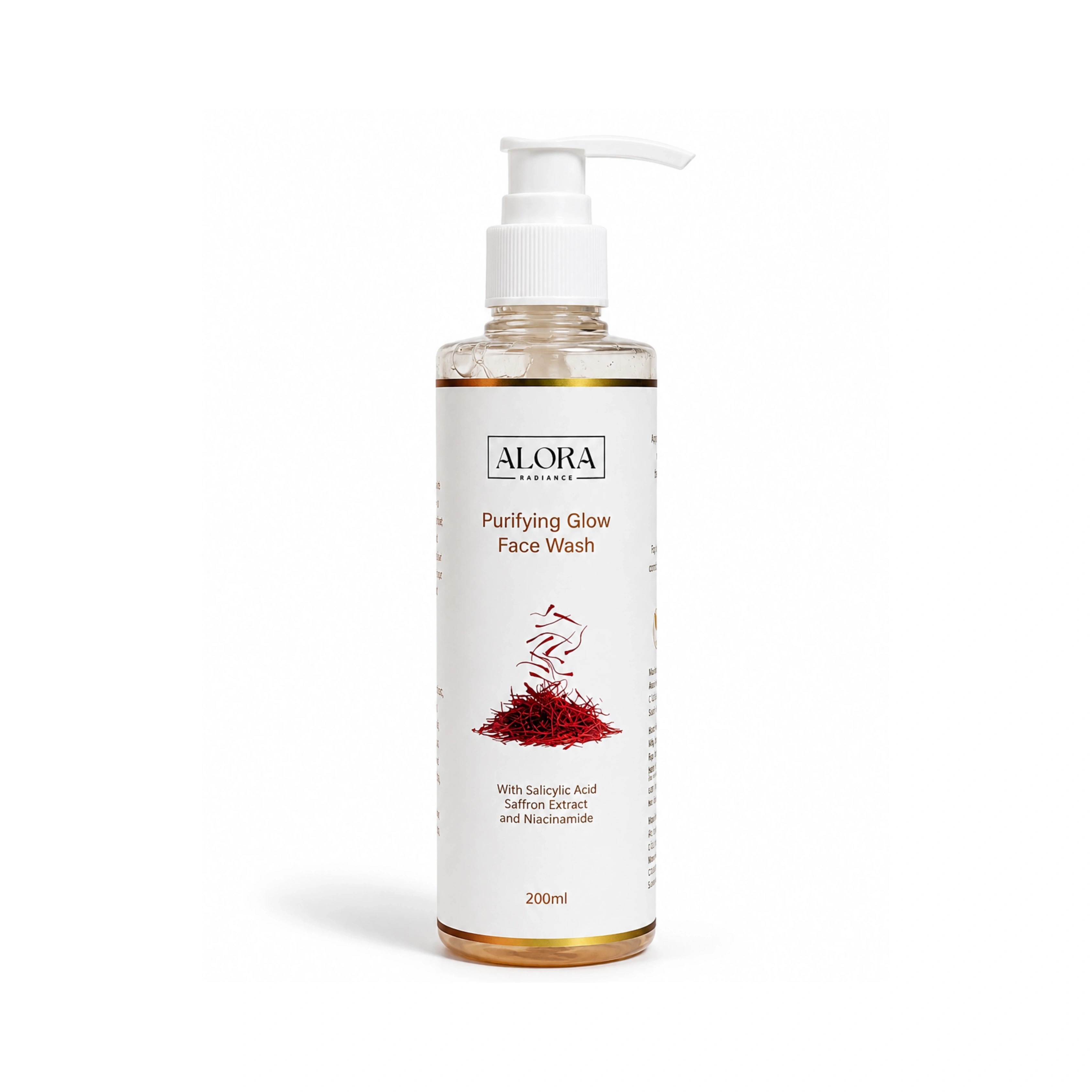
- Removes dirt, oil, sweat, and product buildup from the day
- Clears the surface so moisturizer and sunscreen can actually absorb instead of sitting on top of grime
- A gentle, non-stripping formula works for most skin types starting out
Step 2 — Moisturizer
Moisturizer keeps skin from drying out and supports the barrier that protects it.
- Locks in hydration after cleansing, before skin has a chance to feel tight
- Suitable for every skin type, just in different textures, gel for oily skin, cream for dry skin
- Skipping this step, even for oily skin, tends to backfire and cause more oil production later
Step 3 — Sunscreen (SPF)
Sunscreen is the step beginners skip most, and it's the one that matters most long term.
- Protects skin from UV damage that causes premature aging and uneven tone
- Non-negotiable, no amount of serum or moisturizer makes up for skipping it
- Apply generously as the final step, and reapply if you're out in the sun for long stretches
Alora Radiance's Face Cream + Sunscreen SPF 30++ combines moisturizer and SPF in one step, a simple way to cover steps two and three without adding extra products to a routine that's meant to stay minimal.
Simple Skincare Steps to Follow Every Day
Once the three products are sorted, the routine itself takes a few minutes, morning and night. Here are the simple skincare steps to follow, laid out in order.
Morning Routine (Cleanser, Moisturizer, SPF)
- Cleanser: wash away sweat and oil that built up overnight
- Moisturizer: apply to slightly damp skin, give it a minute to absorb
- Sunscreen: apply last, generously, before stepping out
Three steps, a few minutes, and skin is covered for the day ahead.
Night Routine (Cleanser, Moisturizer)
- Cleanser: remove sunscreen, oil, and whatever built up through the day
- Moisturizer: apply to support skin overnight while it repairs itself
SPF drops out of the night routine for one simple reason: there's no sun to protect against once you're indoors and asleep. Moisturizer alone covers what skin needs overnight, no third step required.
Keeping both routines this short makes it easier to actually stick with it, which matters more than any single product ever could.
How to Build on a Basic Skincare Routine Over Time
A basic skincare routine is a starting point, not a permanent limit. Once skin has settled into the three steps and things are going smoothly, there's room to add more, just slowly, and one thing at a time.
Signs You're Ready to Add a Fourth Step
A few signs usually show up when it's time to expand the routine.
- Skin has adjusted well to cleanser, moisturizer, and SPF with no irritation
- A specific concern has become more noticeable, acne, dullness, fine lines, uneven tone
- The basics feel easy enough that adding one more step won't be overwhelming
If skin is still adjusting or reacting to the basics, it's worth waiting before adding anything else.
What to Add First
A serum is usually the first addition, and it should match whatever concern showed up.
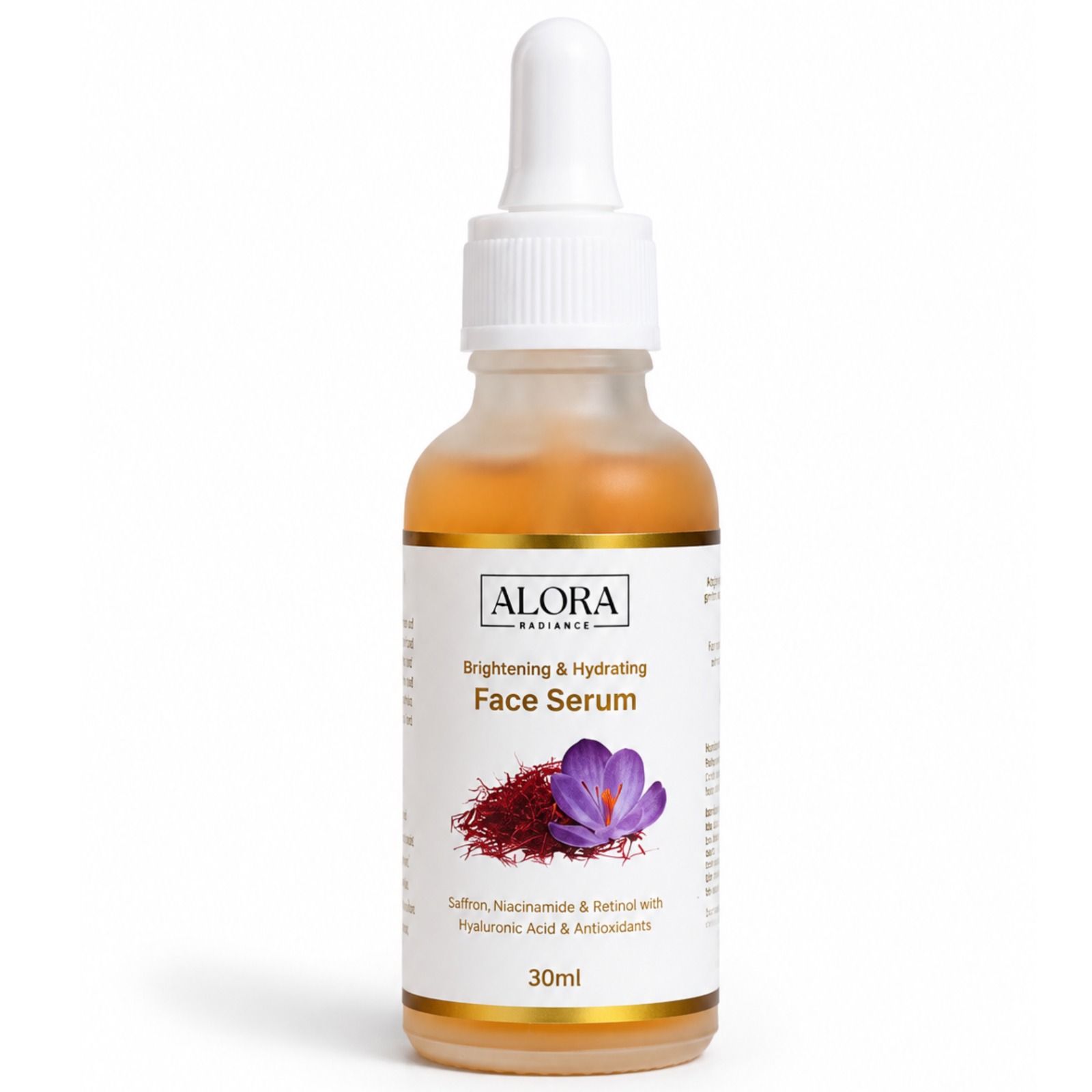
- Dullness or uneven tone: a brightening serum with vitamin C or niacinamide
- Acne-prone skin: a lightweight serum with salicylic acid or niacinamide
- Fine lines or texture: a gentle retinol, introduced slowly, a couple nights a week at first
Add one product, give it a few weeks, and watch how skin responds before adding anything else. Rushing this part is usually what leads right back to the overwhelm a 3 step routine was meant to avoid in the first place.
Frequently Asked Questions
How do Koreans keep their skin so clear?
It comes down to consistency more than any single product. Korean skincare culture leans heavily on gentle, layered hydration, double cleansing, and near-religious sunscreen use, applied daily rather than occasionally. Diet, lower sun exposure habits, and starting skincare younger also play a role, but the daily habit of not skipping steps is the biggest factor.
What is a good 3-step skincare routine?
Cleanser, moisturizer, and sunscreen. Cleanser clears dirt and oil, moisturizer locks in hydration and supports the skin barrier, and sunscreen protects against UV damage. Used consistently, this covers what most skin types need without added complexity.
How to get glass skin like a Korean?
Glass skin is really just well-hydrated, smooth, healthy skin that reflects light evenly. It comes from consistent hydration (layering lightweight hydrating products), gentle exfoliation to keep texture smooth, and daily sunscreen to prevent damage that dulls skin over time. It's a result of routine, not a single product.
How long before I see results from a minimal skincare routine?
Around four to six weeks of consistent use. Skin needs time to adjust, so visible changes in tone or texture won't show up in a few days.
Do I need different products for morning and night?
Not necessarily. The same cleanser and moisturizer usually work for both. Sunscreen is the only step that drops out at night, since there's no sun exposure indoors or while sleeping.
What order should the 3 steps go in?
Cleanser first, moisturizer second, sunscreen last in the morning. At night, it's just cleanser followed by moisturizer.
What's the biggest mistake beginners make with a minimal routine?
Adding too many new products too soon. Switching or expanding the routine before skin has had time to adjust makes it harder to tell what's actually working.
What if my moisturizer already has SPF in it?
Check the SPF level. If it's SPF 30 or higher and applied generously, it can cover both moisturizing and sun protection. If the SPF is lower or unclear, a separate sunscreen is the more reliable option.
Is a 3 step routine really enough for healthy skin?
Yes, for most people. Cleanser, moisturizer, and sunscreen cover the core needs of any skin type. Additional steps can help with specific concerns later, but they're not required for healthy, functioning skin.
Can I add a serum to a 3 step routine right away?
It's better to wait a few weeks until skin has settled into the basics. Adding a serum too early makes it harder to identify whether any irritation is from the new product or the routine still adjusting.