You bought a retinol serum weeks ago, and it’s still sitting in your drawer. Everyone says it’s great, but you’ve also heard the stories about red, flaky, burning skin. So you wait.
Here’s the good news. Retinol for beginners doesn’t have to be scary. Most irritation comes from starting too fast, not from retinol itself.
In this blog, I’ll explain who should use it, how to start slowly, how often to apply it, and which mistakes to avoid. It’s written for anyone trying retinol for the first time.
Who Should Use Retinol
Retinol is popular, but it isn’t for everyone, and it doesn’t suit everyone at the same speed. Here’s how to know if it’s right for you.
Skin Concerns It Helps
Retinol is a form of vitamin A. It helps your skin renew itself, so it can improve how your skin looks and feels over time.
It’s often used for:
- Fine lines and early signs of aging
- Rough or uneven skin texture
- Dullness
- Mild acne and clogged pores
- Marks left behind by old pimples
It works slowly, so expect to wait a few weeks before you see a change. If you want to start using retinol without irritation, patience matters as much as the product.
Who Should Wait
Some people should hold off, or talk to a doctor first.
- Anyone who is pregnant, trying to get pregnant, or breastfeeding
- Anyone using prescription acne or anti-aging medicines
- Skin that is sunburned, broken, or very irritated
- People with eczema, rosacea, or very reactive skin
If you’re not sure, ask a dermatologist before you begin. It’s a quick check that can save you a lot of trouble.
Age and Skin Type
There’s no perfect age to start. Many people begin in their mid-20s or 30s to look after their skin early, and others start later. If you’re a teenager with acne, see a dermatologist first.
Your skin type changes how you should start:
- Oily or normal skin: Usually handles retinol more easily
- Dry skin: Needs extra moisturizer and a slower start
- Sensitive skin: Needs a gentle retinol routine for sensitive skin, with very low strength and fewer nights per week
Everyone should follow a few beginner retinol tips: start with a low strength, build up slowly, and always wear sunscreen. These steps help you avoid retinol side effects like dryness, redness, and peeling, and they keep your retinol usage frequency for beginners safe and steady.
What Is Retinol
You’ve heard the name everywhere, but what is it really? Let’s keep it simple.
Retinol in Simple Words
Retinol is a form of vitamin A used in skin care. After you apply it, your skin slowly turns it into the active form it can use.
Think of it as a helper that encourages your skin to renew itself. Over time, that can mean smoother texture, a more even look, and softer fine lines.
It doesn’t work overnight. Most people need a few weeks of steady use before they notice a change.
Why Start With Low Strength
Strong retinol can be too much for skin that has never used it. Your skin needs time to get used to it.
Starting low helps because:
- It lowers the chance of dryness, redness, and peeling
- It gives your skin time to adjust
- It makes it easier to start using retinol without irritation
These are the most common retinol side effects, and a gentle start is the best way to avoid them. You can move up to a higher strength later, once your skin stays comfortable.
If your skin is sensitive, a low strength is even more important. It’s the base of any retinol routine for sensitive skin.
What to Check on the Label
A quick look at the label can save you a lot of trouble. Here’s what to check:
- Strength: Look for the percentage, and choose the lowest one if you’re new
- Name: It may say retinol, retinal, or another vitamin A form, and they don’t all feel the same on skin
- Other ingredients: Soothing, hydrating ones are a good sign, and a very long list of strong actives is not
- Fragrance: Fragrance-free is often gentler
- Packaging: Dark, airtight bottles or tubes help keep retinol fresh
One more of the best beginner retinol tips: use only one new strong product at a time. And follow the directions on the label for how often to use it, because retinol usage frequency for beginners should always start slowly.
How to Apply Retinol
Applying retinol the right way is a big part of avoiding problems. Three small steps make a big difference.
Prepare Your Skin
- Wash your face with a gentle cleanser
- Pat it dry and wait 10 to 15 minutes, since damp skin can feel stingy
- Use it at night, and skip it if your skin is sunburned or already sore
This one habit helps you start using retinol without irritation.
How Much to Use
You need less than you think.
- A pea-sized amount covers your whole face
- Dot it on your forehead, cheeks, and chin, then spread gently
- Stay away from your eyes, lips, and the sides of your nose
More products won’t give faster results. It only adds to retinol side effects like dryness and redness.
Moisturizer and Sunscreen
- Apply a plain moisturizer after retinol to keep your skin comfortable
- Use sunscreen with SPF 30 or higher every morning
- Keep your retinol usage frequency for beginners low at first, and build up slowly
How Often to Use Retinol
Slow and steady wins here. This simple plan helps you start using retinol without irritation. Your skin is the final guide, so adjust it if needed.
First Two Weeks
- Use retinol just 1 to 2 nights a week
- Leave at least one or two nights between uses
- Moisturize well, and wear sunscreen every morning
Mild dryness is common at the start. If your skin feels sore, wait longer between nights.
Weeks Three and Four
- If your skin feels comfortable, move up to 2 to 3 nights a week
- Stay at the same level if you still notice dryness or redness
- Don’t add other new strong products yet
This pace keeps your retinol usage frequency for beginners safe, and it helps you avoid the usual retinol side effects.
After One Month
- Many people can move to every other night
- Some stay at 2 to 3 nights a week, and that’s perfectly fine
- Nightly use isn’t a must, and your skin may do best with less
If your skin is sensitive, a retinol routine for sensitive skin often means staying at fewer nights for longer. Among the best beginner retinol tips: if your skin gets red, tight, or peels, take a break for a few days, then restart at a lower frequency.
Retinol for Sensitive Skin
Sensitive skin can use retinol too. It just needs a softer approach. A good retinol routine for sensitive skin is less about strength and more about cushioning, patience, and a slow pace.
The sandwich method
This is one of the easiest beginner retinol tips out there. It’s also one of the best ways to start using retinol without irritation.
Here’s how it works:
- Apply a thin layer of plain moisturizer
- Add a pea-sized amount of retinol on top
- Finish with another layer of moisturizer
The moisturizer slows down how quickly your skin takes in the retinol. You still get the benefits, but with far less stinging and dryness.
Who it suits
The sandwich method works well if:
- Your skin is dry, reactive, or easily flushed
- You’re brand new to retinol
- You tried retinol before and quit because it felt too harsh
If your skin is oily and tough, you may not need it. But there’s no harm in using it for the first few weeks.
Other ways to go gentle
A few small changes can help you avoid the common retinol side effects like dryness, redness, and peeling:
- Go slower on frequency. For retinol usage frequency for beginners with sensitive skin, start with once a week. Move to twice a week only when your skin feels calm.
- Choose a lower strength. Look for 0.1% to 0.3%, ideally in a cream rather than a gel.
- Try short contact. Leave it on for 20 to 30 minutes, then rinse. Add a few minutes each week.
- Pause other actives. Skip acids, scrubs, and strong cleansers while your skin adjusts.
- Look for calming ingredients like ceramides, niacinamide, and squalane in your moisturizer.
Sensitive skin doesn’t mean you can’t use retinol. It means you take it slowly and let your skin lead.
What Is Normal and What Is Not
Some changes are part of the process, and some are a sign to slow down. Knowing the difference is the best way to start using retinol without irritation.
Normal adjustment signs
In the first few weeks, these are common retinol side effects:
- Mild dryness or light flaking
- A slight feeling of tightness
- A few small breakouts as your skin adjusts
They usually settle in 4 to 6 weeks. A good moisturizer and a slower retinol usage frequency for beginners can make them much easier to handle.
When to stop
Pause retinol if you notice:
- Burning or stinging that doesn’t go away
- Bright red or swollen skin
- Heavy peeling
- Itchy bumps or a rash
Use only a gentle cleanser, moisturizer, and sunscreen for a week or two. Then restart at a lower frequency. If your skin is sensitive, go back to your retinol routine for sensitive skin, like the sandwich method.
When to see a doctor
Get medical advice if:
- You have blisters or severe swelling
- Irritation doesn’t improve after you stop retinol
- Breakouts keep getting worse after two months
A dermatologist can check what’s going on and suggest a plan that suits your skin.
What to Mix and What to Avoid
Retinol works best when the rest of your routine stays simple. Mixing too many products is one of the most common retinol side effects people bring on themselves, and one of the easiest to avoid.
Skip on the same night
Don’t use these with retinol on the same night:
- AHAs and BHAs, like glycolic or salicylic acid
- Benzoyl peroxide
- Scrubs and cleansing brushes
- Other retinoids
This is one of the best beginner retinol tips. If you want to use these products, give them their own nights.
Vitamin C and retinol
You don’t have to pick one. Just keep them apart.
- Use vitamin C in the morning
- Use retinol at night
Each gets its own time to work, and your skin doesn’t have to handle both at once. If your skin is sensitive, this split also fits well into a retinol routine for sensitive skin.
Gentle partners
These ingredients pair well with retinol and help you start using retinol without irritation:
- Niacinamide calms redness and supports your skin barrier
- Hyaluronic acid adds water
- Ceramides repair and protect
- Squalane and peptides keep skin soft
Stick to a basic routine and let your retinol usage frequency for beginners guide how often you use it. Simple usually works best.
Final Thoughts
Retinol doesn’t have to be scary. Start with a low strength, go slow, moisturize well, and wear sunscreen every morning. Give your skin at least 8 to 12 weeks before you judge the results.
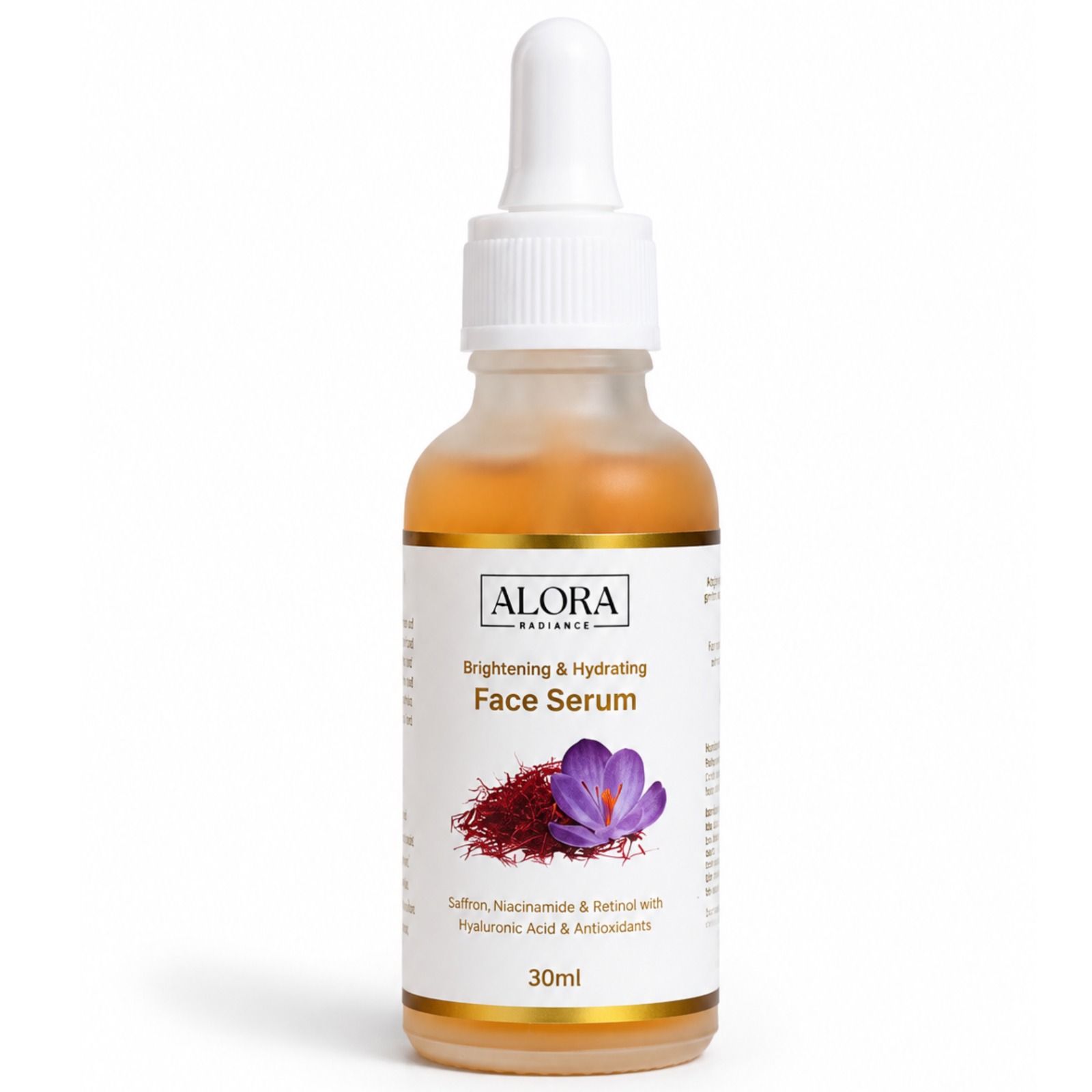
If you’re looking for a simple place to begin, take a look at Alora’s Brightening & Hydrating Face Serum. It combines retinol with niacinamide, hyaluronic acid, and saffron extract. It’s made to help with dullness and uneven tone while keeping your skin hydrated.
Like any retinol, start gently. Use it a couple of nights a week at first, follow with a moisturizer, and build up only when your skin feels comfortable.
At Alora, we believe good skincare is patient skincare. Your skin sets the pace, and we’re here to help you glow along the way.
Frequently Asked Question
1. How do I start using retinol without irritation?
Start with a low strength (0.1% to 0.3%), use it just once or twice a week, and apply a pea-sized amount at night on dry skin. Follow with a plain moisturizer and wear sunscreen every morning. Add more nights only when your skin feels calm. Going slowly is the single best way to avoid dryness and redness.
2. How often should beginners use retinol?
Beginners should use retinol one to two nights a week for the first two weeks. If your skin feels fine, move up to two or three nights a week. After a month, some people use it every other night. You don’t need to use it nightly to get results. Let your skin set the pace.
3. How do I calm skin irritated by retinol?
Stop using retinol for a week or two and keep your routine simple: a gentle cleanser, a plain moisturizer, and sunscreen. Skip acids, scrubs, and other strong products during this time. Once your skin feels normal again, restart at a lower frequency, like once a week. If the irritation is severe or doesn’t improve, see a doctor.
4. What age should I start using retinol?
There is no perfect age. Many people start in their mid-to-late twenties or thirties to care for their skin early, and others begin later. Teenagers with acne should see a dermatologist first. The better question is whether your skin is ready, so begin with a low strength whatever your age.
5. How long does one bottle of retinol last?
A 30 ml bottle usually lasts around three to six months if you use a pea-sized amount two to three times a week. Smaller bottles run out sooner. Check the label for the shelf life after opening, which is often 6 to 12 months. Retinol breaks down with light and air, so keep the cap tight and store it in a cool, dark place.
6. How long does retinol take to work?
Most people see early changes in about 8 to 12 weeks. Skin takes time to renew itself, so retinol doesn’t work overnight. You may notice smoother texture first, then a more even tone and softer fine lines later. Stay consistent and don’t judge it before the two-month mark.
7. Can I use retinol on sensitive skin?
Yes, many people with sensitive skin can use retinol if they go gently. Choose a low strength in a cream, use it once a week at first, and try the sandwich method: moisturizer, then retinol, then moisturizer again. If your skin has a condition like eczema or rosacea, talk to a dermatologist before you start.
8. Should I apply retinol before or after moisturizer?
For most people, apply retinol first on clean, dry skin, then moisturize on top. If your skin is sensitive, use the sandwich method, with a thin layer of moisturizer both before and after. The extra layer slows absorption and reduces stinging. Both ways work. Pick the one that feels comfortable on your skin.
9. Can I use vitamin C and retinol together?
Yes, but use them at different times. Apply vitamin C in the morning and retinol at night. This keeps each product working well and lowers the chance of irritation. If your skin is sensitive, you can also use vitamin C on the nights you skip retinol.
10. Is peeling and breakouts normal when starting retinol?
Mild dryness, light flaking, and a few small breakouts are common in the first four to six weeks as your skin adjusts. They should slowly improve. Heavy peeling, burning, swelling, or a rash are not normal. Pause retinol if you notice them, and see a doctor if they don’t settle.