Most people assume serum and moisturiser are doing the same job, just in different bottles. They're not.
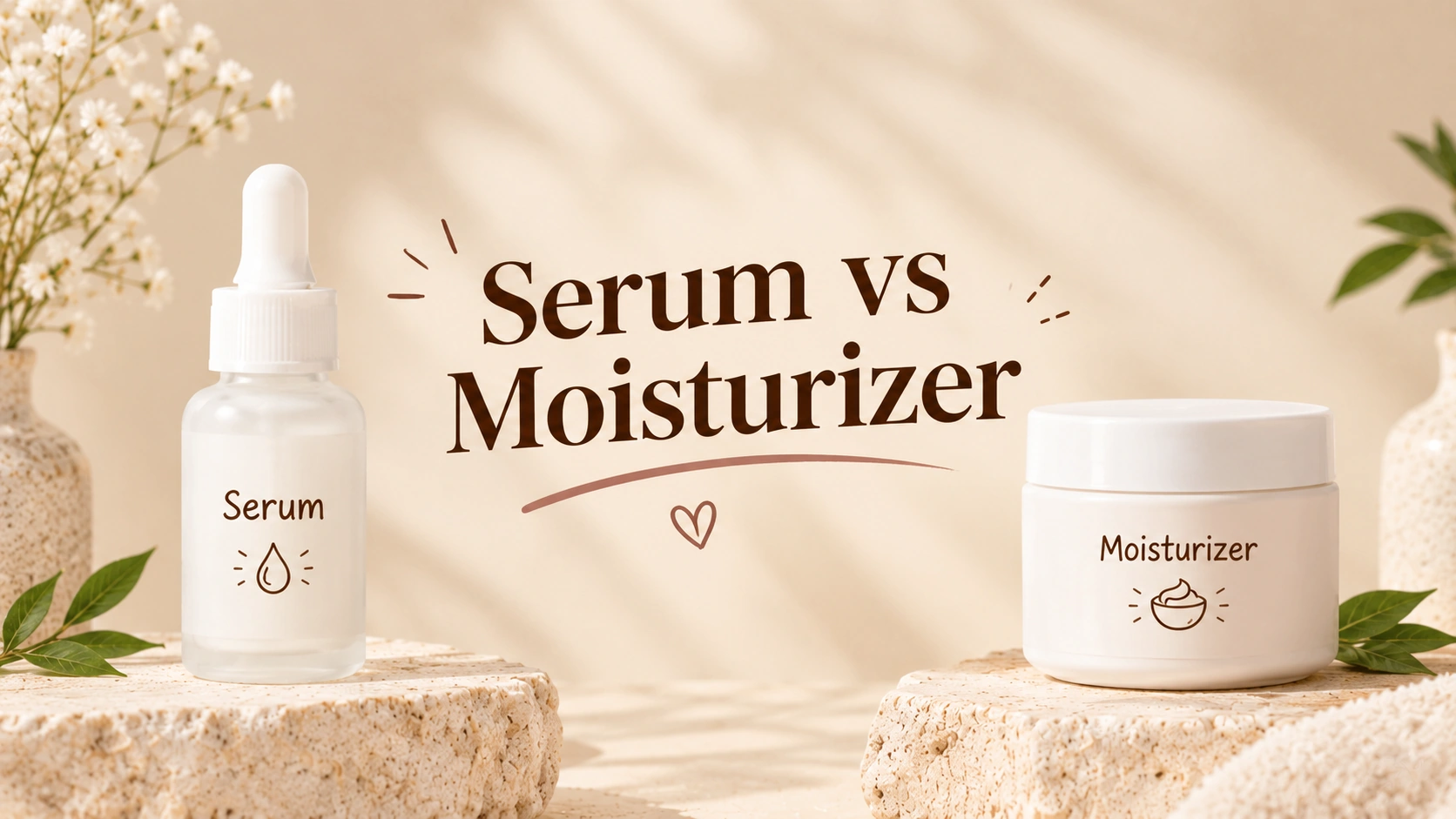
The real question behind serum vs moisturiser isn't which one to pick. It's understanding what each one is actually built to do – because they're solving two different problems, not competing for the same step in your routine.
This blog breaks down what separates the two, whether you genuinely need both, and how to layer them so neither one is wasted on skin that can't absorb it properly.
What Does a Serum Actually Do?
A serum's whole job is concentration. It's built to deliver more of an active ingredient, more directly, than a regular moisturiser ever could.
Higher Concentration of Active Ingredients
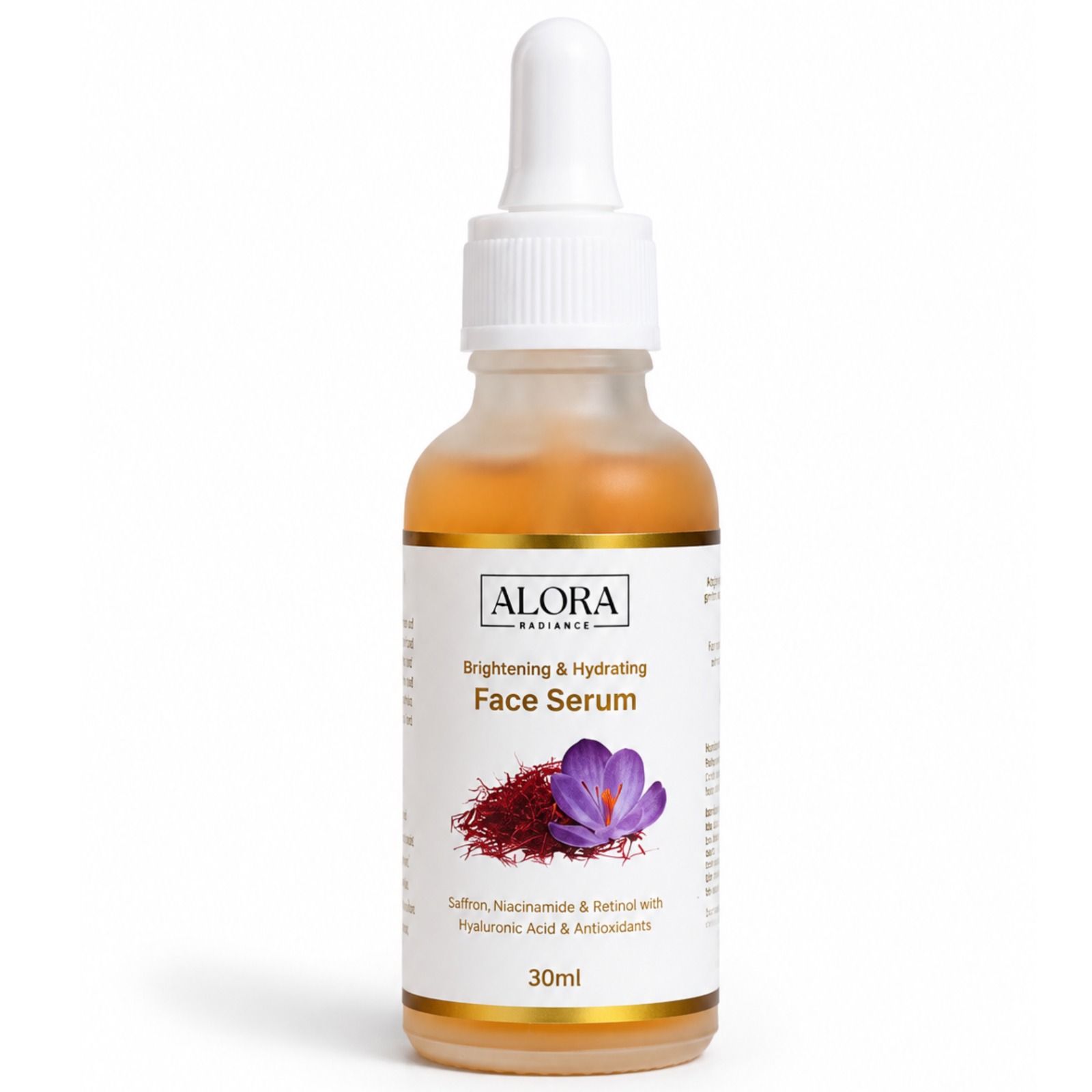
Serums are formulated with a much higher percentage of active ingredients – vitamin C, niacinamide, retinol, whatever the target concern is. That concentration is the entire point. It's not a lighter version of a cream; it's a more potent one, built to actually address something specific rather than just sit on skin.
Lightweight Texture Designed to Absorb Deeper
The thin, almost water-like texture isn't a styling choice. It's functional- a lightweight formula absorbs faster and deeper into skin, getting active ingredients where they need to go instead of sitting on the surface waiting to be blocked by a heavier product.
Common Face Serum Benefits
Depending on the active ingredient, face serum benefits can include:
- Brightening and evening out skin tone
- Fading pigmentation and dark spots
- An extra layer of hydration beyond what moisturiser alone provides
- Anti-aging support through ingredients like retinol or peptides
A serum isn't trying to replace moisturiser. It's targeting something moisturiser alone was never built to fix.
What Does a moisturiser Actually Do?
If a serum's job is to deliver actives deep into the skin, a moisturiser's job is to lock everything in and keep the barrier intact.
Sealing in Hydration and Supporting the Skin Barrier
moisturiser works by trapping water in skin and reinforcing the barrier that keeps it there. Without this step, even a great serum's hydration or benefits can evaporate faster than skin gets to use them.
Why moisturiser Texture Is Built Differently Than Serum
moisturisers are thicker for a reason. That heavier texture creates a seal on skin's surface, which is exactly what a thin, fast-absorbing serum isn't designed to do. Applying them in reverse order defeats the purpose of both.
moisturiser Benefits Beyond Hydration
moisturiser benefits go further than just keeping skin from feeling dry:
- Repairs and strengthens a compromised skin barrier
- Adds comfort, reducing tightness or irritation
- Creates a stable base that other products (like sunscreen) sit on properly
A serum treats a specific concern. A moisturiser makes sure skin actually holds onto whatever benefit that serum was delivering in the first place.
Do I Need a Serum If I Already Use a moisturiser?
This is the question most people are actually asking, and the honest answer is: it depends on what you're trying to fix.
Why moisturiser Alone Often Isn't Enough for Targeted Concerns
moisturiser does a great job of hydrating and holding the barrier together. What it doesn't do well is treat specific concerns- pigmentation, fine lines, active breakouts – since it isn't formulated with the concentration needed to actually shift those problems.
What a Serum Adds That Moisturiser Can't Replicate
A serum's higher concentration of actives is doing work a moisturiser simply isn't built for. Trying to fade dark spots or smooth texture with moisturiser alone is asking a product to do a job outside its design – it'll hydrate skin fine, but the actual concern stays untouched.
When Skipping Serum Is Genuinely Fine
If skin has no specific concern beyond general hydration and comfort, skipping serum isn't a mistake. A solid moisturiser alone can be enough for basic maintenance. The line to watch: if there's an actual target (dark spots, aging, dullness, breakouts) that isn't improving, that's the signal a serum is missing from the routine, not that the moisturiser is failing at a job it was never meant to do.
Building a Serum and moisturiser Routine That Works
A serum and moisturiser routine only works if the order is right. Get that wrong, and both products underperform.
Correct Skincare Layering Order – Serum Before Moisturiser, Always
The rule is simple and doesn't change: serum goes on clean skin first, moisturiser goes on after. Thinnest to thickest, every time. This isn't a minor preference — it's the one rule that determines whether either product actually does its job.
Why Applying Them in the Wrong Order Wastes the Serum
Apply moisturiser first, and it creates a barrier that blocks the serum from absorbing properly afterward. The active ingredients that make serum worth using end up sitting on top of a sealed layer instead of reaching the skin underneath. Essentially, the serum gets wasted, no matter how good the formula is.
Adjusting the Routine for Morning vs. Night Use
The order stays the same either way- serum, then moisturiser- but the products themselves can shift:
- Morning: a lighter serum (like vitamin C) followed by moisturiser, then sunscreen as the final step
- Night: a treatment-focused serum (like retinol or a stronger active) followed by a slightly richer moisturiser, since skin repairs itself overnight
Keeping the same layering logic day and night makes the routine easy to stick with, even as the specific products change.
Serum vs moisturiser- Which One Matters More for Your Skin?
If forced to pick just one, the honest answer isn't a clean winner – it depends entirely on what your skin actually needs.
If You Can Only Use One, Which to Prioritize
For general comfort and barrier health, moisturiser wins- skin needs that hydration and protection baseline regardless of anything else. For a specific, active concern like pigmentation or visible aging, serum matters more, since moisturiser alone won't move the needle on those.
Why "Both" Is Usually the Better Answer, Not a Compromise
This isn't really an either/or situation. Serum treats a concern. moisturiser makes sure skin holds onto that treatment instead of losing it. Skipping one usually means the other works harder than it should, with weaker results either way.
Matching Serum and moisturiser Choice to Your Actual Skin Type
Oily skin might do fine with a lightweight gel moisturiser and a targeted serum. Dry skin might need a richer moisturiser paired with a more hydrating serum. The right combination isn't universal- it's built around what your specific skin is dealing with, not a one-size-fits-all pairing.
Frequently Asked Questions
1. Can I use serum without moisturiser?
Yes, but it's not ideal. Without moisturiser sealing it in, a serum's benefits and hydration can evaporate faster than skin gets to use them fully, reducing how effective it ends up being over time.
2. Can I use moisturiser without serum?
Yes, especially if there's no specific skin concern beyond general hydration. moisturiser alone can be enough for basic maintenance, though it won't target things like pigmentation, fine lines, or active breakouts the way a serum would.
3. Does serum go before or after moisturiser?
Serum always goes first, applied to clean skin, followed by moisturiser. Reversing the order creates a barrier that blocks the serum from absorbing properly, wasting its active ingredients.
4. Is a serum necessary for basic skincare?
Not strictly. A basic routine can function with just a cleanser, moisturiser, and sunscreen. Serum becomes necessary once there's a targeted concern- like dark spots or visible aging- that moisturiser alone isn't built to address.
5. Can I mix serum and moisturiser together?
It's not recommended. Mixing the two dilutes the serum's concentration and can interfere with how each product is designed to absorb into skin, reducing the effectiveness of both.
6. What's the main difference between serum and moisturiser?
Serum has a higher concentration of active ingredients and is built to target specific skin concerns, while moisturiser hydrates and seals in whatever the serum delivered, while supporting the skin barrier.
7. Do I need different serums for morning and night?
Not always, but it's common practice. A lighter serum like vitamin C suits daytime use well, while treatment-focused serums like retinol are typically reserved for night, since some actives increase sun sensitivity.
8. Can oily skin skip moisturiser and just use serum?
No. Oily skin still needs a moisturiser, ideally a lightweight, gel-based one. Skipping it can trigger even more oil production as skin tries to compensate for the lost hydration.
9. How long after applying serum should I apply moisturiser?
About a minute or two. Giving the serum a short window to absorb before layering moisturiser on top helps ensure both products work as intended, without one interfering with the other.
10. Is a moisturiser with added actives a substitute for a separate serum?
It can work as a simpler alternative, but active concentrations in moisturisers are usually lower than in a dedicated serum, so results for targeted concerns may be slower or milder compared to using a proper serum.