Summer doesn't just add heat. It changes how oily and combination skin behaves entirely and the routine that worked fine in winter quietly stops working.
Most people respond by just using less product, or skipping steps altogether. That's not really a fix. A proper summer skincare routine needs different products and different steps, not just a lighter version of the same winter routine.
This blog breaks down exactly what changes in the heat, how to adjust for oily and combination skin specifically, and which products actually hold up in Indian summer humidity instead of sliding off your face by noon.
How Heat and Humidity Change Oily & Combination Skin
Skin doesn't behave the same way at 40°C as it does at 15°C. This is where most oily skin summer care mistakes start treating summer skin like it's just winter skin with extra sweat.
Why Oil Production Increases in Heat
Heat triggers sebaceous glands to produce more oil, partly as the skin's own attempt to prevent moisture loss in dry, hot air. More heat, more oil it's a direct response, not random.
Sweat, Humidity, and Clogged Pores – The Summer Breakout Cycle
Humidity adds another layer to the problem:
- Sweat mixes with excess oil and sits on skin longer in humid air
- Combined with dirt and sunscreen, this mixture clogs pores faster than in cooler, drier months
- Clogged pores lead to more breakouts, which is why summer often means more acne even without a routine change
Why Combination Skin Gets Harder to Balance in Summer
Combination skin already juggles two different needs. Summer makes that harder:
- The T-zone gets oilier and shinier faster
- Cheeks can still feel dry, especially with AC exposure indoors
- One routine now has to manage two opposite skin behaviors at the same time, often within the same day
Building an Oily Skin Skincare Routine for Summer
An oily skin skincare routine in summer needs a full rethink, not just a swap to "oil-free" labeled products.
Lightweight, Gel-Based Cleansers Over Cream Cleansers
Cream cleansers tend to leave a residue that feels heavier in humid weather. Gel-based cleansers rinse cleaner and don't add to the oil already sitting on skin by midday.
Why Oily Skin Still Needs a Moisturizer in Summer
This is the most skipped step, and it shouldn't be. Skipping moisturizer doesn't reduce oil — it often increases it, since skin tries to compensate for the lost hydration by producing even more sebum. A lightweight, water-based moisturizer keeps skin balanced without adding heaviness.
Mattifying Without Over-Stripping
Mattifying products are useful, but overdoing them backfires:
- Look for niacinamide-based formulas that regulate oil rather than just absorbing it temporarily
- Avoid high-alcohol toners that strip skin and trigger rebound oil production
- One mattifying step is usually enough layering three "oil control" products just strips skin further
Combination Skin Skincare Tips for Hot Weather
Combination skin needs zone-specific thinking, especially once the season changes.
Treating the T-Zone and Cheeks Differently, Even in the Same Routine
Most people apply one product uniformly across the whole face. In summer, that's often the wrong move. A lighter, oil-controlling product on the T-zone alongside a slightly more hydrating one on the cheeks works better than a single blanket approach.
Why the T-Zone Gets Oilier While Cheeks Stay Dry on AC-Heavy Days
Air conditioning pulls moisture out of the air, which affects cheeks (often already less oily) more noticeably than the T-zone, which keeps producing oil regardless. This is why combination skin can feel oily and tight in the same afternoon.
Balancing Products So You're Not Over-Treating One Zone
A few practical fixes:
- Apply a slightly heavier moisturizer only where cheeks feel tight, rather than all over
- Use blotting or a light mattifying product only on the T-zone as needed
- Avoid using the same amount of every product uniformly combination skin usually needs adjusted amounts, not adjusted products
Summer Skincare Tips Beyond Just Products
Some of the most useful summer skincare tips aren't about what you apply, but how and when.
Reapplying Sunscreen Realistically in Indian Heat
Morning sunscreen alone isn't enough in peak summer, especially with any outdoor exposure. Reapplying every 2–3 hours matters more in summer than in cooler months, since sweat and touch wear it off faster.
Blotting vs. Washing — Managing Midday Oil
Washing your face multiple times a day feels productive but usually backfires, stripping skin and triggering more oil production. Blotting papers manage midday shine without disturbing the rest of the routine underneath.
How AC Exposure Adds a Dehydration Layer Oily Skin Doesn't Expect
Office and car AC pulls moisture from skin the same way outdoor heat does, just less obviously. Oily skin can still get dehydrated indoors — it just shows up as tightness rather than visible dryness, which is why hydration still matters even on "cool," indoor-heavy days.
Best Summer Skincare Products for Oily & Combination Skin
Here's what to actually look for when picking the best summer skincare products for this skin type:
Cleanser – What Ingredients to Look For
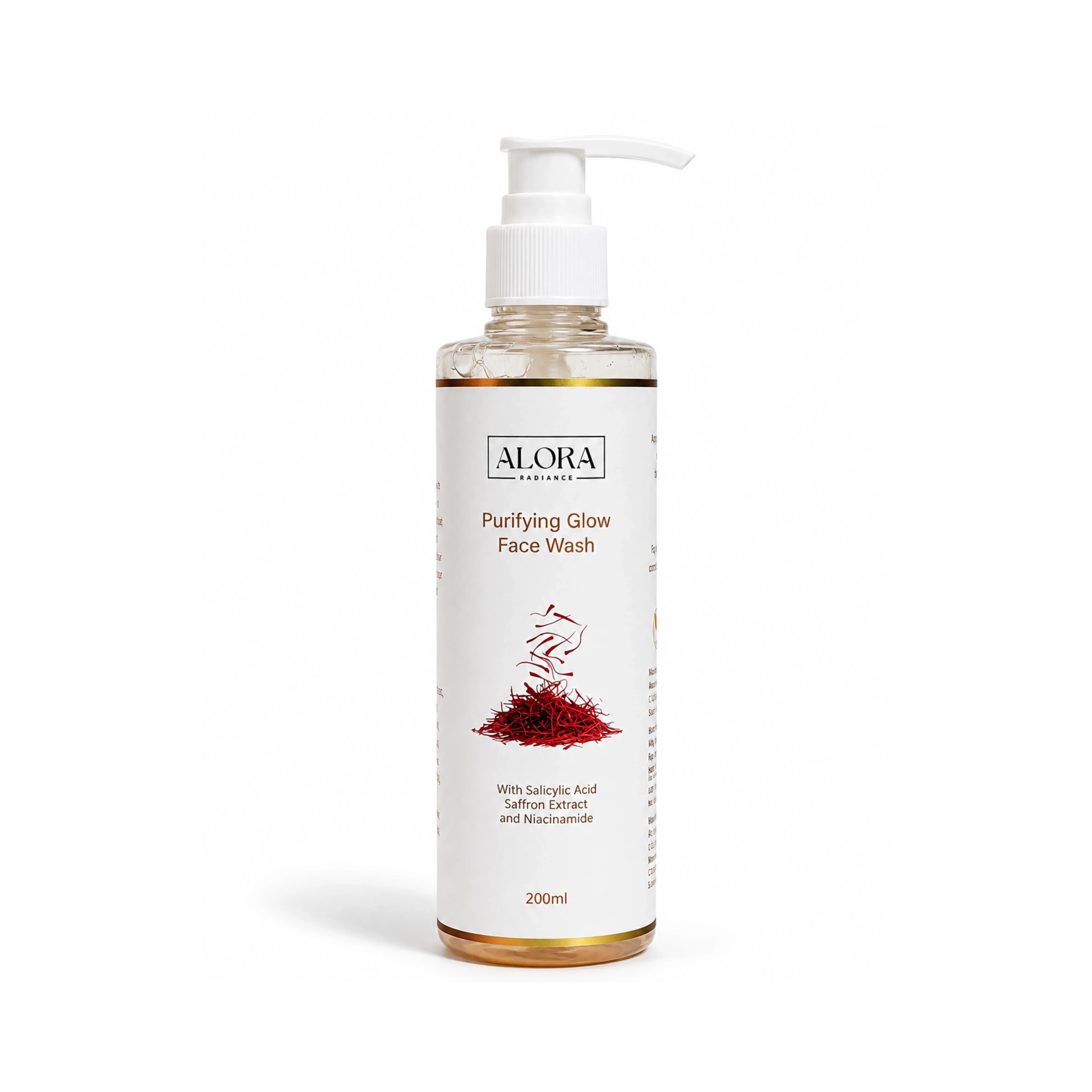
Salicylic acid helps keep pores clear without being overly drying when used in a gentle, low-concentration cleanser. Gentle surfactants avoid the tight, stripped feeling harsher cleansers leave behind.
Moisturizer – Gel or Water-Based Over Heavy Creams
Heavy, occlusive creams sit poorly in humidity and often feel greasy within hours. Gel or water-based formulas hydrate without adding that extra weight.
Sunscreen – Non-Greasy, Matte-Finish Formulas
A sunscreen that feels heavy or shiny gets skipped by midday. Matte-finish, non-greasy formulas are far more likely to actually get reapplied — which matters more than the SPF number sitting unused in a bag.
A Sample Summer Skincare Routine (AM & PM)
Morning Routine
- Cleanse with a lightweight gel cleanser
- Apply a thin layer of water-based moisturizer
- Finish with a non-greasy, broad-spectrum sunscreen
Evening Routine
- Double cleanse if wearing sunscreen or makeup during the day
- Apply any treatment product (niacinamide, exfoliating acid, on alternating nights)
- Finish with a lightweight night moisturizer
Weekly Additions
- Exfoliate 1–2 times a week, not more — summer skin is already more reactive
- A clay or mud mask once a week can help manage excess oil buildup, without becoming a daily habit
Common Summer Skincare Mistakes for Oily & Combination Skin
A few habits quietly undo an otherwise good routine:
- Skipping moisturizer because skin already feels oily — this usually increases oil production instead of reducing it
- Over-washing the face multiple times a day — strips the skin barrier and triggers rebound oiliness
- Using heavy, occlusive products meant for winter — these sit poorly in humidity and often cause more breakouts than they prevent
Frequently Asked Questions
Does oily skin need moisturizer in summer?
Yes. Skipping moisturizer often increases oil production, since skin tries to compensate for lost hydration. A lightweight, water-based formula keeps skin balanced without added heaviness.
How can combination skin be balanced in hot, humid weather?
By treating the T-zone and cheeks differently within the same routine — a lighter, oil-controlling product on the T-zone and slightly more hydration on the cheeks, adjusted rather than uniform application.
Should I wash my face more often in summer?
No. Over-washing strips the skin barrier and often triggers more oil production as a result. Twice a day, with blotting in between, works better than repeated washing.
What's the best sunscreen for oily skin in the humidity?
A non-greasy, matte-finish, broad-spectrum sunscreen that's comfortable enough to reapply every 2–3 hours — consistency matters more than a high SPF number that gets skipped by afternoon.
Why does my skin get oilier in summer specifically?
Heat directly triggers increased sebum production, partly as the skin's response to prevent moisture loss in hot, dry air — it's a physiological reaction, not random.
Can I skip sunscreen if I stay indoors with AC?
No. UVA rays pass through window glass, and AC-heavy indoor days can dehydrate skin in ways that make it more vulnerable, not less, to whatever UV exposure it does get.
Does exercising in summer make oily skin worse?
Temporarily, yes — sweat mixes with existing oil and can clog pores if left on skin too long. Rinsing with a gentle cleanser soon after a workout helps prevent that buildup from turning into breakouts.
Is it okay to skip sunscreen reapplication if I'm mostly indoors during the day?
Not entirely. Even indoor exposure through windows adds up, though the risk is lower than direct sun. A morning application is usually enough on low-exposure indoor days, but reapply if you step out at all.
Why does my makeup slide off faster in summer even with a good routine?
Excess oil and sweat break down makeup's grip on skin faster in heat and humidity. A lightweight, mattifying moisturizer as a base rather than a heavier cream usually helps makeup hold longer.
Do I need a separate night cream in summer, or can I skip it?
It's still worth using one, just a lighter formula than you'd use in winter. Skin still repairs overnight regardless of season, and skipping moisturizer at night can leave oily skin more dehydrated by morning.