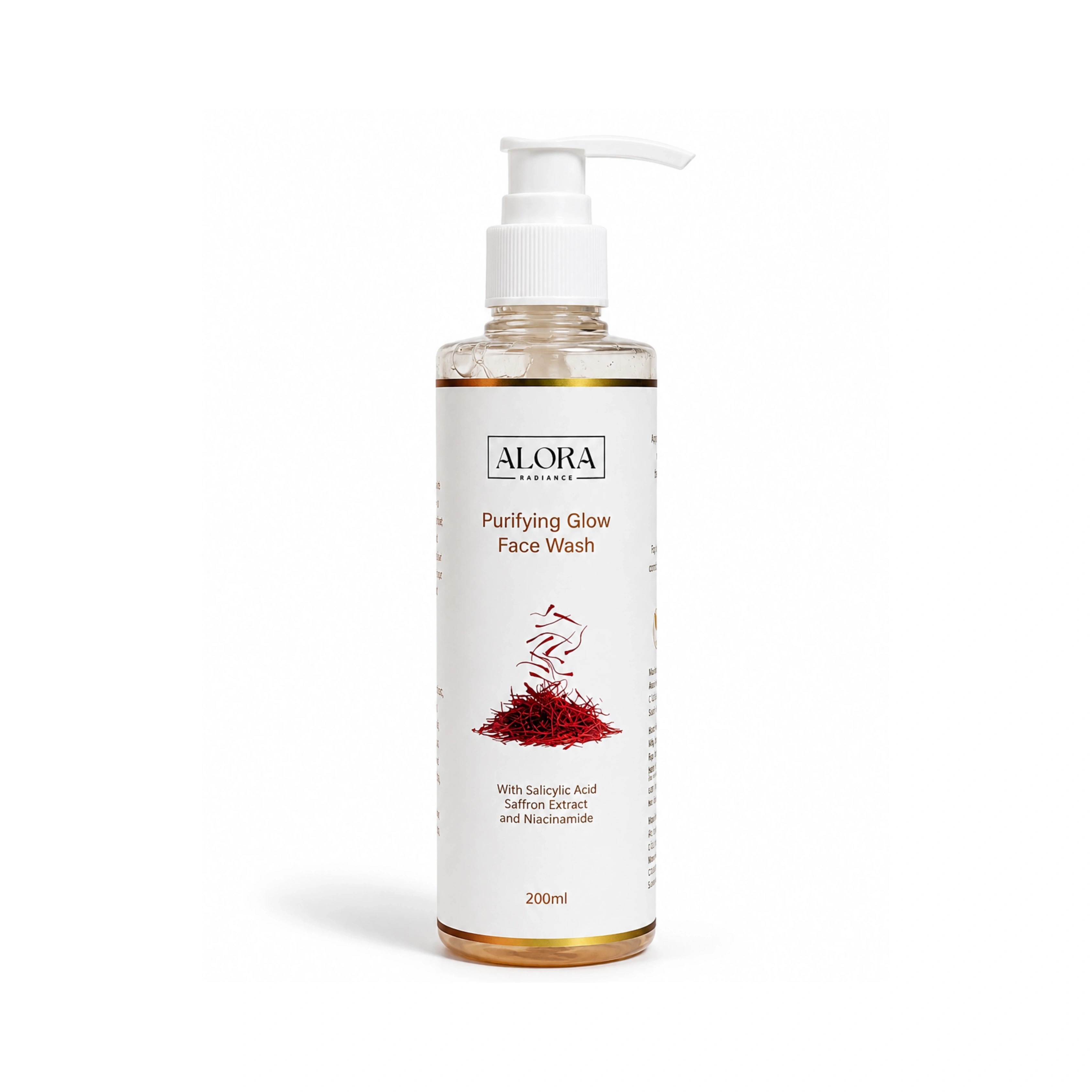
The best face wash for your skin depends entirely on your skin type: oily, dry, sensitive, or combination all need different formulas, ingredients, and even textures.
Most people don't know this. They pick based on packaging, price, or what a friend swears by, then wonder why it's not working.
This guide skips the guesswork. Below, you will find exactly what to look for based on your actual skin type, so you stop guessing and start seeing results.
What Is a Face Wash and Why Skin Type Matters
A face wash is a cleanser you use daily to remove dirt, oil, sweat, and buildup from your skin. It's the first step in almost every skincare routine and often the most overlooked one.
People spend on serums and moisturizers, then grab whatever's cheapest for this step. That's backwards. A bad match here can undo everything else you're doing for your skin.
The Role of a Face Wash in Your Skincare Routine
Think of it as prep work. Everything you apply after serum, moisturizer, sunscreen works better on clean skin.
A good one should:
- Remove dirt, oil, and pollution buildup
- Clear out pores without stripping your skin
- Leave your skin balanced, not tight or greasy
- Set the stage for the rest of your routine to actually absorb
Why One Face Wash Doesn't Work for Everyone
Everyone does not have the same skin.Oily skin produces excess sebum. Dry skin lacks it. Sensitive skin reacts to things that don't bother anyone else.
Use the wrong formula, and you're either:
- Stripping oil your skin actually needs, or
- Adding oil your skin can't handle
That mismatch is usually why a "highly rated" face wash still doesn't work for you.
How to Identify Your Skin Type Before Choosing a Face Wash for Skin Type
Before you pick a face wash, you need to know which skin type you're dealing with. Most people skip this step entirely; they just buy whatever's popular and hope for the best.
Signs of Oily, Dry, Combination, and Sensitive Skin
Here's a quick way to tell them apart:
If you're seeing signs from more than one row, you're likely to combine skin which also happens to be the trickiest type to shop for.
Simple At-Home Skin Type Test
You don't need any products for this. Wash your face with a gentle cleanser and pat it dry. Then wait about 30 minutes without applying anything else, and check your skin in natural light.
If it's shiny all over, you're oily. If it feels tight or looks flaky and dull, you're dry. Shine in the T-zone with normal or dry cheeks means combination. And if your skin looks red or feels itchy and reactive, that's a sign of sensitivity.
Once you know your type, the rest of this decision gets much simpler.
Best Face Wash for Oily and Combination Skin
If your skin gets shiny by noon or breaks out often, your cleanser is either helping or making it worse. There's rarely a middle ground with oily skin.
What to Look for in a Face Wash for Oily Skin
You want something that clears excess oil without triggering your skin to produce even more of it. That's the trap a lot of people fall into using something too harsh, which strips the skin, and in response, it overproduces oil to compensate.
Look for a gel or foaming texture over a creamy one. Creamy cleansers tend to sit on oily skin rather than actually cutting through it. And skip anything that leaves your face feeling tight or squeaky-clean right after washing. That's usually a sign it is stripped more than it should have.
For combination skin, the same logic applies, just gentler. Your T-zone needs the oil control, but your cheeks don't need to be stripped along with it.
Ingredients That Help Control Excess Oil
A few ingredients consistently show up in formulas that actually work for this:
- Salicylic acid- gets into pores and breaks down oil buildup
- Niacinamide- helps regulate oil production over time, not just strip it
- Tea tree oil- has natural antibacterial properties, useful if breakouts are part of the issue
- Clay or charcoal- pulls out excess surface oil without heavy stripping
None of these need to be at high concentrations to work. In a face wash, even a small amount is enough since it's rinsed off, not left on the skin.
How to Choose Face Wash for Sensitive Skin
Sensitive skin doesn't forgive mistakes. One wrong ingredient and you're dealing with redness, stinging, or breakouts for days so the choice here matters more than for any other skin type.
Red Flags to Avoid in a Face Wash for Sensitive Skin
Before you even check what a cleanser contains, check what it doesn't. These are the ingredients that most often cause reactions:
- Fragrance (natural or synthetic — both can irritate)
- Sulfates like SLS, which strip the skin barrier
- Alcohol, especially denatured or isopropyl
- Physical exfoliants — rough beads or scrubs
- Essential oils, even ones marketed as "calming"
If a product lists any of these near the top of the ingredients, it's probably not worth the risk, no matter how good the reviews sound.
Gentle, Fragrance-Free Formulas to Prioritize
What you actually want is something minimal. Fewer ingredients usually means fewer chances to react.
Look for terms like "fragrance-free" (not just "unscented," which can still contain masking fragrance), "hypoallergenic," and "sulfate-free." A creamy or lotion-based texture is typically gentler than a foaming one, since foaming agents are often what causes the irritation in the first place.
Ingredients like ceramides, glycerin, and oat extract are worth looking for if they clean without disrupting your skin barrier. If your skin tolerates a formula well for a couple of weeks with no redness or tightness, that's a good sign you've found the right one.
Best Face Wash for Dry Skin in Summer
Dry skin in summer is confusing. It's hot, you're sweating, but your skin still feels tight and flaky. So people assume they need something stronger and that usually backfires.
Why Dry Skin Needs Different Care in Summer
Heat and AC don't cancel out dryness. If anything, they make it worse: indoor air conditioning pulls moisture out of your skin just as much as winter cold does, and sweat can leave your face feeling sticky without actually adding hydration.
The mistake most people make is switching to a stronger, oil-stripping cleanser because it's summer. That's the opposite of what dry skin needs. You still need something gentle just in a texture that doesn't feel heavy or greasy in the heat.
Hydrating Ingredients That Don't Feel Heavy in Heat
You want hydration without the weight. A few ingredients do this well:
- Hyaluronic acid — holds moisture without any greasy feel
- Glycerin — draws water into the skin, lightweight
- Aloe vera — cooling and hydrating, ideal for summer
- Squalane — hydrates without clogging pores, even in humidity
Skip heavy oils or butters in a cleanser during summer; they can feel suffocating in the heat and may not even rinse off cleanly. A gel-cream or lightweight lotion cleanser with the ingredients above usually strikes the right balance.
How to Use Face Wash the Right Way
Even the right formula won't work well if you're using it wrong. How you wash matters almost as much as what you wash with.
Step-by-Step Routine (Morning and Night)
- Wet your face with lukewarm water -not hot, it strips your skin
- Take a small amount, about a coin-sized drop
- Massage in gentle, circular motions for 30–60 seconds
- Rinse thoroughly, making sure nothing's left along the hairline or jaw
- Pat dry with a clean towel -don't rub
Do this twice a day, morning and night. Skipping the morning wash means applying products over overnight oil and sweat. Skipping the night wash means sleeping in a full day's buildup.
Common Mistakes to Avoid
A few habits quietly undo the benefits:
- Washing too often-more than twice a day strips your skin barrier
- Using water that's too hot, which dries you out faster
- Rubbing instead of massaging, which can cause micro-tears
- Not rinsing fully, leaving residue that clogs pores
- Skipping moisturizer right after, since clean skin absorbs it best
Small fixes here often make a bigger difference than switching products entirely.
Conclusion
At the end of the day, there's no single "best" option; the right face wash for you depends entirely on your skin type. Oily skin needs oil control, dry skin needs hydration without weight, sensitive skin needs minimal ingredients, and combination skin needs a balance of both.
Use this face wash guide as your starting point. Try the at-home test if you're still unsure of your type, check the ingredients that match your skin's actual needs, and give any new formula a couple of weeks before judging it.
Get this one step right, and everything else in your routine works better too.
Frequently Asked Questions
1. Why should you use face wash?
Face wash removes dirt, oil, sweat, and pollution buildup from your skin, preventing clogged pores and breakouts while preparing your skin to absorb other products like serum and moisturizer more effectively.
2. What is the correct way to use face wash?
Wet your face with lukewarm water, apply a coin-sized amount of face wash, massage it in gentle circular motions for 30–60 seconds, rinse thoroughly, and pat your skin dry instead of rubbing it.
3. How do I know what face wash is best for my skin type?
The best face wash matches how your skin behaves — oily skin needs oil-controlling ingredients like salicylic acid, dry skin needs hydrating ingredients like hyaluronic acid, sensitive skin needs fragrance-free minimal formulas, and combination skin needs a gentle balance of both.
4. What ingredients should I avoid in a face wash for sensitive skin?
Avoid fragrance, sulfates like SLS, alcohol, physical exfoliants, and essential oils, since these are the most common ingredients that trigger redness, stinging, or irritation in sensitive skin.
5. What's the best face wash for combination skin?
A gel-based or lightweight foaming face wash works best for combination skin, since it controls oil in the T-zone without over-drying the cheeks.
6. How do I find out my skin type at home?
Wash your face with a gentle cleanser, pat it dry, and wait 30 minutes without applying anything else shiny skin all over means oily, tightness or flakiness means dry, shine only in the T-zone means combination, and redness or stinging means sensitive.
7. Should I use warm or cold water to apply face wash?
Lukewarm water is best for applying face wash. Hot water strips natural oils and causes dryness, while cold water doesn't help the cleanser work as effectively.
8. How much face wash should I use per application?
A coin-sized amount is enough to clean the entire face, using more doesn't improve cleansing and can dry out your skin unnecessarily.
9. Can my skin type change over time?
Yes, skin type can change due to factors like weather, age, hormones, and environment, so it's a good idea to retest your skin type every few months instead of assuming it stays the same.
10. What's the difference between a face wash and a cleanser?
The terms are often used interchangeably, but face wash typically refers to a rinse-off, water-based formula, while cleanser can also include products like micellar water, oils, or wipes that don't require rinsing.