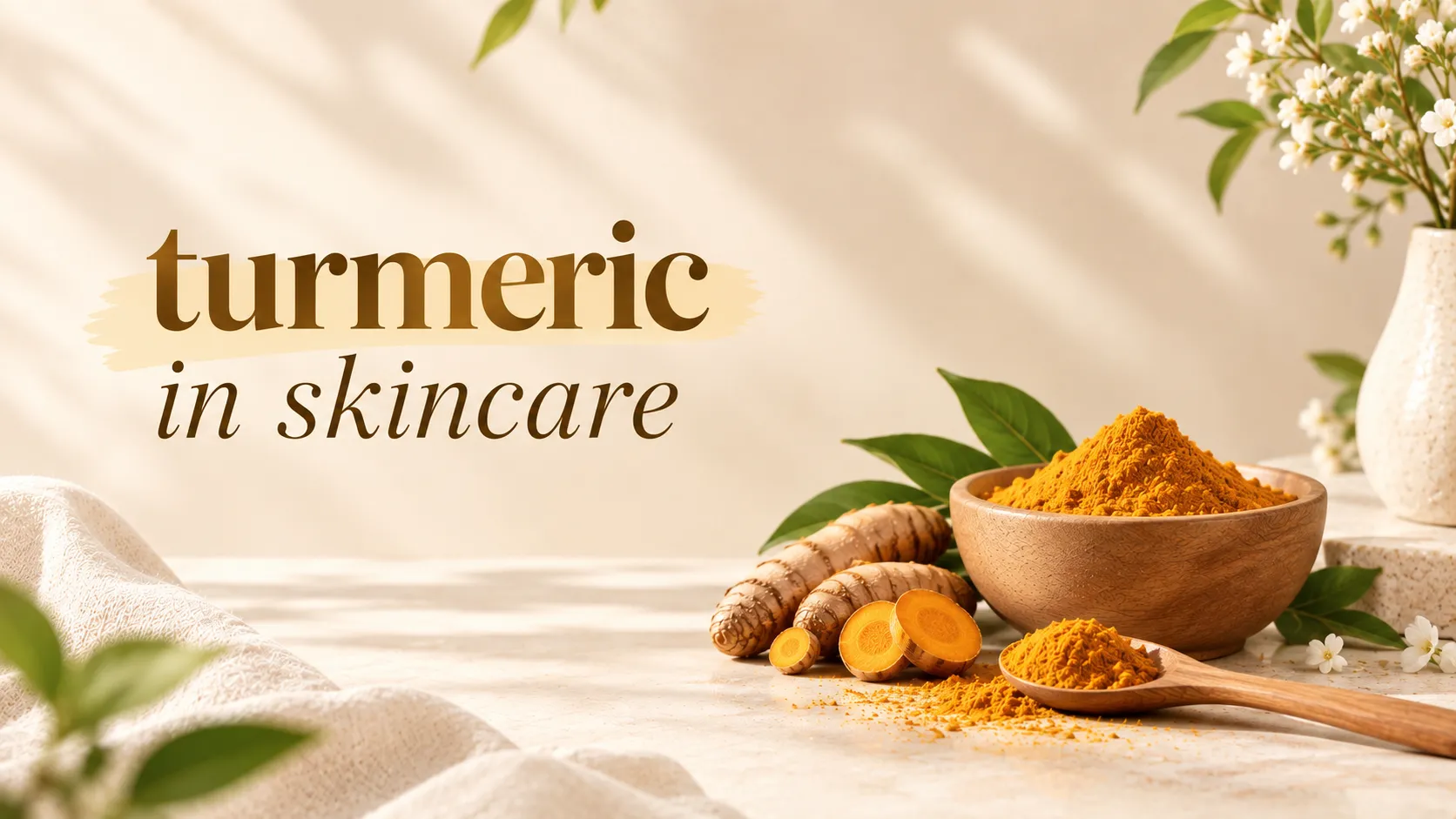
Turmeric is in everything now, face masks, serums, that thick orange paste your mom or grandmother probably swore by long before any of this was trendy. The claims online get wild though. Erase scars, fade every dark spot, glow up in three days. None of that's really true, but that doesn't mean turmeric does nothing either.
Here's the actual deal. Turmeric has curcumin in it, and curcumin has decent research behind it for calming inflammation and fighting oxidative stress on skin. That part's legit. What's not legit is treating it like some cure-all that outperforms actual dermatologist-recommended ingredients. It doesn't. It's helpful, not magic.
And honestly, none of this is new. Turmeric's been used on skin in Indian households for generations, way before a brand slapped it on a bottle and called it innovation. What's actually new is scientists bothering to test it properly instead of everyone just assuming grandma was right. So, is it myth or is it science? Kind of both, depending which claim you're asking about.
Why Turmeric Became a Skincare Trend
Turmeric didn't just appear overnight. This stuff has been around for ages, it just took TikTok to turn it into a whole thing.
Turmeric's Roots in Traditional and Ayurvedic Skincare
Before anyone was calling it an "active ingredient," turmeric was already sitting in kitchens across India, doing its thing quietly.
- Haldi ceremonies before weddings, where it's rubbed on the skin for that supposed glow, been happening forever
- Grandmothers mixing it with besan and milk into homemade face packs, no measuring cups involved
- Ayurveda's been using it for warming, purifying properties, and honestly not just for skin
- Nobody was studying it in a lab back then. It was just what your family did, because their family did it too
This wasn't a trend for most people. It was just Tuesday.
How Social Media Fueled the Turmeric Skincare Craze
Then Instagram happened. And TikTok. And suddenly this decades-old kitchen remedy became "content."
- That bright yellow mask photographs really well, and stuff that looks good on camera spreads fast
- "Ancient secret" sounds way more exciting in a caption than "my grandma's recipe," even though it's the same thing
- Influencers repackaged something that already existed and presented it like they'd discovered it
- Before-and-afters made it look instant, skipping the part where results actually take weeks and depend on your skin
The turmeric didn't change. What changed is everyone suddenly having an opinion about it online.
What's Actually Inside Turmeric? (The Science Behind the Claims)
Turmeric isn't magic. It's a plant with one specific compound doing most of the actual work, and everything else is really just packaging around that one thing.
Curcumin — The Active Compound Behind Turmeric's Effects
Curcumin is what gives turmeric its color and most of whatever it does for skin. It's a polyphenol, and it's the part researchers actually study when they look into turmeric's effects.
Here's the catch though. Raw turmeric root is only about 2 to 5% curcumin by weight. So when someone mixes turmeric powder into a face mask at home, they're working with a pretty diluted amount of the ingredient that actually matters.
What Research Actually Says About Curcumin and Skin
Curcumin does have real studies behind it, mostly around inflammation and oxidative stress. It's been shown to calm redness and neutralize free radicals, which is why it shows up in serious skincare research, not just wellness blogs.
What the research doesn't support is the bigger stuff. Curcumin hasn't been shown to erase scars, reverse aging, or dramatically lighten skin tone the way some product claims suggest. Most studies also use concentrated, stabilized forms of curcumin, not raw turmeric stirred into yogurt at home.
So the science is real. It's just smaller and more specific than the marketing usually lets on.
Turmeric Skin Benefits — What's Backed by Evidence
Not every turmeric claim floating around online holds up. Some do though, and it's worth knowing which is which before you build a whole routine around a spice.
Anti-Inflammatory and Antioxidant Effects
This is genuinely the strongest part of turmeric's case. Curcumin has actual research behind it here, not just tradition.
- Calms redness and irritation by blocking certain inflammatory pathways in skin
- Neutralizes free radicals, which cause premature aging and dull-looking skin over time
- Shows up in real dermatological studies, not just home remedy blogs
- Works best in stabilized, concentrated forms, not a pinch of turmeric mixed with water
If turmeric skincare science has one solid pillar, this is it.
Turmeric for Skin Brightening and Uneven Tone
This one's trickier, and it's where a lot of the hype starts running ahead of the evidence.
- Some studies suggest curcumin can help with mild pigmentation and dullness
- It's not the dramatic "whitening" effect a lot of ads imply
- Results, where they exist, are gradual and modest, not overnight
- Works better alongside proven brightening ingredients like niacinamide or vitamin C than alone
So does turmeric help skin tone? A little, probably. Not the way the marketing wants you to believe.
Turmeric's Role in Acne and Blemish-Prone Skin
Acne is where turmeric's anti-inflammatory side actually gets useful.
- Reduces redness and swelling around active breakouts
- May help calm skin after a pimple, not necessarily prevent new ones
- Antibacterial properties exist, but they're mild compared to actual acne treatments like salicylic acid
- Best used as a supporting ingredient, not a replacement for a real acne routine
Turmeric can help an already-irritated breakout look calmer. It's not going to clear acne on its own, and it's honest to say that upfront.
Does Turmeric Help Skin? Separating Myth from Fact
Short answer, yes. Longer answer, not in the way half the internet claims.
Claims That Are Overstated or Unproven
Scroll through enough turmeric content and you'll hear the same promises. Clears acne completely. Erases dark spots overnight. Actually changes your skin tone permanently. None of that holds up when you go looking for actual studies, because there aren't any backing those specific claims.
Same goes for the idea that stirring turmeric powder into yogurt does what a properly formulated serum does. It doesn't, not even close. Most of what fuels these claims is somebody's Instagram caption, not a dermatology journal.
What Turmeric Can Realistically Do for Skin
Cut through the noise and there's still something real left. Turmeric calms inflammation. It fights off some of the free radical damage skin deals with daily. Used regularly, especially in a stable, well-made formula, it can genuinely help skin look calmer and a bit more even over time.
That's it though. No overnight glow-up, no scar erasure, no magic. Just a decent, research-backed ingredient doing a decent job, which honestly is more than most trending ingredients can say.
How to Use Turmeric for Skin Safely
If you're actually going to try this, do it properly. Patch test first, keep it simple, and pay attention to how your skin reacts instead of just following a trend blindly.
Turmeric Face Mask — Simple DIY Recipe and How to Use It
Nothing fancy needed here. Just three things:
- 1 teaspoon turmeric powder
- 1 tablespoon plain yogurt or besan
- A few drops of water or honey, just enough to make a paste
Mix it until smooth, put a thin layer on clean skin, and leave it for 10 to 15 minutes. Don't go longer than that thinking it'll work better, it won't, it just increases the chances of staining or irritation. Rinse with lukewarm water and moisturize right after.
Stick to once or twice a week, max. And skip it entirely if your skin's sunburned, broken, or already irritated. That's just asking for trouble.
How to Patch Test Turmeric Before Full Use
Turmeric stains. Turmeric can irritate. So testing first isn't optional, it's just common sense.
- Dab a small amount on your inner arm or behind your ear
- Wait a full 24 hours
- Check for redness, itching, or anything that feels off
If nothing happens, you're probably fine to try it on your face. If something does happen, skip raw turmeric altogether. A properly formulated product with stabilized curcumin is a safer bet anyway.
Signs Turmeric May Not Suit Your Skin
Some skin just doesn't get along with turmeric, and that's fine. Watch for:
- Redness or burning that sticks around after rinsing
- More breakouts than usual, or clogged pores creeping in
- Yellow staining that won't fade after a day
- Skin feeling dry or flaky, especially if you're using it often
Any of that shows up, stop. Either take a break or switch to a gentler, formulated version instead of stirring raw powder into your skincare.
Turmeric in Skincare Products vs. Raw Turmeric at Home
Grandma's turmeric paste and that serum with curcumin extract on the label aren't really the same thing, even though they share an ingredient name. Here's why that actually matters.
Why Formulated Turmeric Extracts Differ from Raw Turmeric
Raw turmeric powder sounds simple, mix it with something, put it on your face. But there's a gap between that and what's actually happening in a lab-formulated product.
Curcumin on its own doesn't absorb into skin all that well. It's not very water-soluble, and it breaks down fast once exposed to light or air. Skincare brands work around this using encapsulation or pairing it with other compounds that help it actually penetrate and stay effective. None of that happens when you're stirring powder into yogurt at your kitchen counter.
What to Look for in a Turmeric-Based Skincare Product
If you're going the formulated route instead of DIY, a few things separate a decent product from a marketing gimmick.
- Look for "curcumin" or "turmeric extract" listed with a percentage or concentration, not just "turmeric" buried in a long ingredient list
- Check if it's paired with stabilizing or absorption-boosting ingredients, since curcumin alone doesn't do much sitting in a bottle
- Favor dermatologically tested formulas over products only backed by influencer reviews
- Avoid products that promise dramatic skin lightening or overnight results, that's still marketing, not science, regardless of the ingredient
A turmeric-based serum or cream isn't automatically better just because it says "turmeric" on the front. What matters is whether the formulation actually delivers curcumin in a usable, stable form, something raw turmeric at home simply can't do.
Common Myths About Turmeric in Skincare
Let's clear up the stuff that's just wrong before wrapping this up. A few myths keep getting repeated, and they're worth killing off properly.
Myth: Turmeric Can Permanently Whiten Skin
This is probably the biggest one. Turmeric does not, and cannot, permanently change your skin's natural tone. Skin color is determined by melanin, which is genetic, not something a spice paste can override no matter how many times you use it.
What turmeric can actually do is help with mild dullness or minor pigmentation over time, mostly through its antioxidant and anti-inflammatory effects. That's a completely different thing from "whitening," and the two get confused constantly in marketing.
Myth: More Turmeric Means Faster Results
Using more turmeric, or leaving a mask on longer, doesn't speed anything up. If anything, it just increases your odds of irritation, staining, or a dry, tight feeling afterward.
Curcumin works gradually, in small consistent amounts, not in one aggressive session. Piling on more doesn't push it to work faster, skin just doesn't operate that way.
Myth: Turmeric Works the Same for Everyone
Skin reacts differently to everything, and turmeric's no exception. Someone with sensitive skin might get redness or irritation from the exact same mask that does nothing but calm another person's skin.
Skin type, existing conditions, and even how consistently someone uses it all change the outcome. That's exactly why patch testing matters, and why "it worked for my friend" isn't really a guarantee it'll work the same way for you.
Frequently Asked Questions
Is it good to apply turmeric on your face?
Yes, applying turmeric on your face can help with mild inflammation and antioxidant support when used correctly and in moderation. It works best as a supporting ingredient rather than a primary treatment, and patch testing first helps avoid irritation or staining on sensitive skin.
What are the benefits of using turmeric in skincare?
Turmeric's key skincare benefit comes from curcumin, which offers anti-inflammatory and antioxidant effects that can calm redness and reduce oxidative stress on skin. It may also support mild brightening and help soothe active breakouts, though these effects are gradual rather than dramatic.
What cannot be mixed with turmeric?
Turmeric shouldn't be mixed with harsh exfoliants, strong acids, or retinol in the same application, since combining actives can increase irritation risk. It's also best avoided alongside lemon juice on sensitive skin, since the added acidity can heighten sensitivity when paired with turmeric.
How many times should I apply turmeric on my face?
Turmeric should generally be applied no more than once or twice a week, whether as a DIY mask or formulated product. More frequent use doesn't speed up results and increases the risk of irritation, dryness, or staining over time.
How long does turmeric take to brighten your face?
Turmeric's mild brightening effects typically take four to six weeks of consistent, moderate use to become noticeable, since it works gradually rather than instantly. Results vary by skin type, and pairing it with proven brighteners like niacinamide often shows faster, more visible improvement.
Can turmeric change skin color?
No, turmeric cannot permanently change your natural skin color, since skin tone is determined by genetics and melanin, not topical ingredients. It can support a slightly more even, less dull complexion over time, but this isn't the same as altering skin's actual pigmentation.
How to use turmeric on the face for glowing skin?
Mix turmeric powder with yogurt or besan into a smooth paste, apply a thin layer on clean skin, and leave it on for 10 to 15 minutes before rinsing with lukewarm water. Use this once or twice weekly, followed by moisturizer, for a gradual, more radiant-looking complexion over several weeks.
How long should I leave a turmeric face mask on?
A turmeric face mask should be left on for 10 to 15 minutes, then rinsed off with lukewarm water. Leaving it on longer doesn't improve results and increases the risk of skin irritation or yellow staining.
What happens if you leave turmeric on too long?
Leaving turmeric on skin too long can cause irritation, dryness, or a stubborn yellow stain that takes longer to fade. It doesn't improve brightening or anti-inflammatory results, so sticking to the recommended 10 to 15 minute window is the safer approach.
Does turmeric really remove dark spots?
No, turmeric doesn't remove dark spots on its own, though its antioxidant and anti-inflammatory properties may help support a slightly more even tone over consistent use. For actual dark spot treatment, pairing turmeric with proven ingredients like vitamin C or niacinamide typically shows better results.